
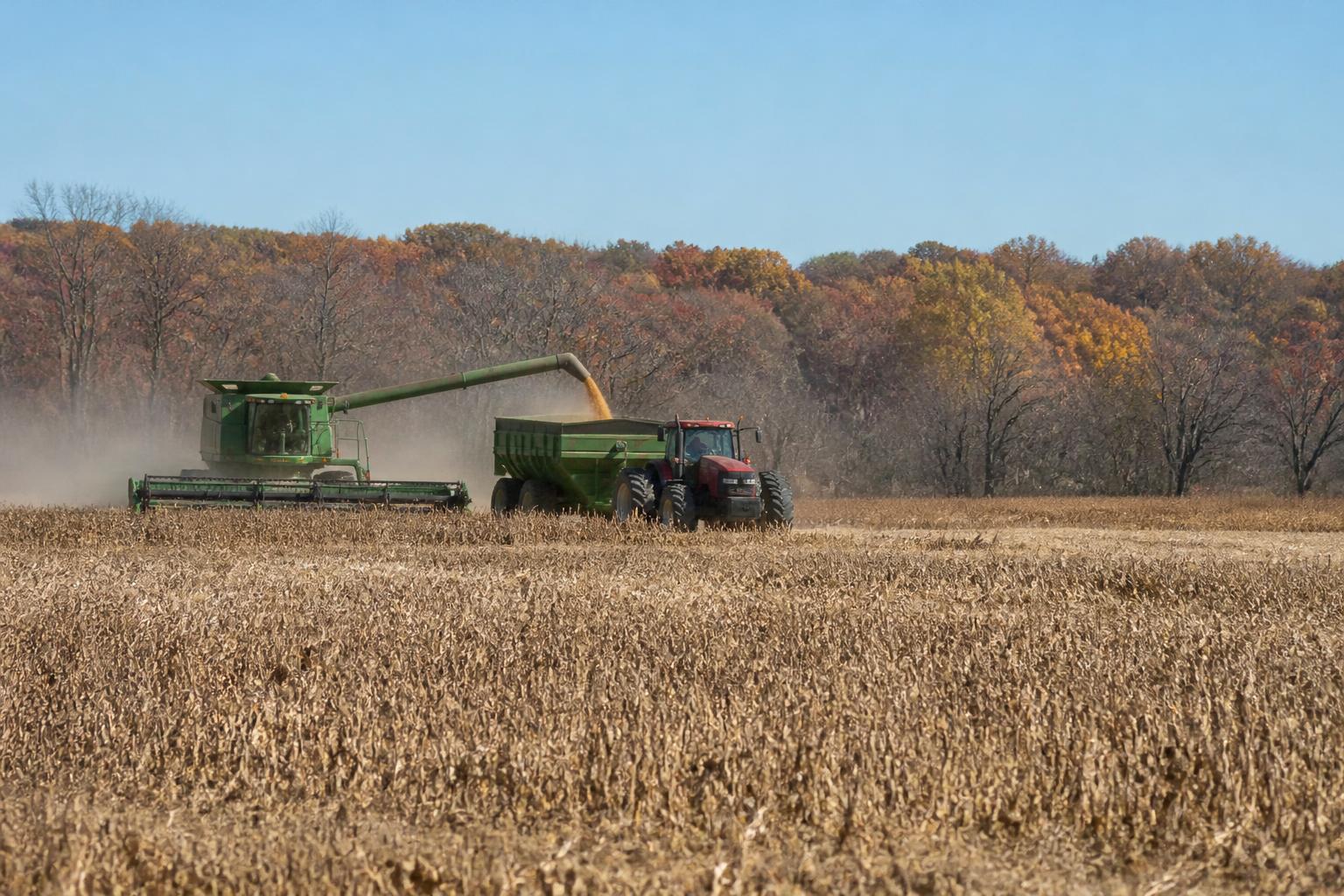
As the Montana agricultural season transitions toward winter, producers across the Treasure State are processing a recent rally in grain and livestock markets. With harvest largely complete, focus has shifted toward balancing local inventory management with broader economic pressures influencing commodity prices.
For many Montana farmers, staying attuned to global shifts is essential. While regional operations remain focused on storage and end-of-year logistics, international supply constraints—ranging from logistical hurdles in major exporting regions to evolving demand for yellow corn—continue to influence the price environment. Understanding these dynamics in the grain market is critical as producers look toward the upcoming cycle.
Prioritizing Long-Term Farm Sustainability
Beyond immediate market fluctuations, there is a growing emphasis on business continuity. Recent discussions at regional industry gatherings have highlighted the importance of farm succession planning. Protecting the legacy of Montana operations is becoming just as central to daily management as monitoring grain market trends and pulse industry shifts.
Producers navigating these transitions often find that stabilizing their operations requires a deep understanding of local logistical capacity. Whether moving grain to major hubs or managing livestock through the winter months, reliable planning remains a primary buffer against global volatility.
Navigating External Market Pressures
The current environment is characterized by a mix of opportunities and uncertainty. While the recent uptick in livestock and grain performance offers some encouragement, the volatility driven by international conflicts and climate-related supply disruptions can complicate local decision-making. For those looking for more specific guidance on regional buyers, checking current grain prices and buyer information can assist in identifying the best avenues for your remaining stock.
What it means for the market
The current market environment suggests a period of tactical caution for Montana agribusinesses. While market rallies provide a momentary advantage, the combination of logistical constraints and global supply variability means that producers should prioritize efficiency and long-term financial planning. Maintaining strong relationships with local elevators and keeping a close watch on regional infrastructure updates will be the most effective strategy for weathering the winter months.
Comments
No comments yet - be the first to share your take.