
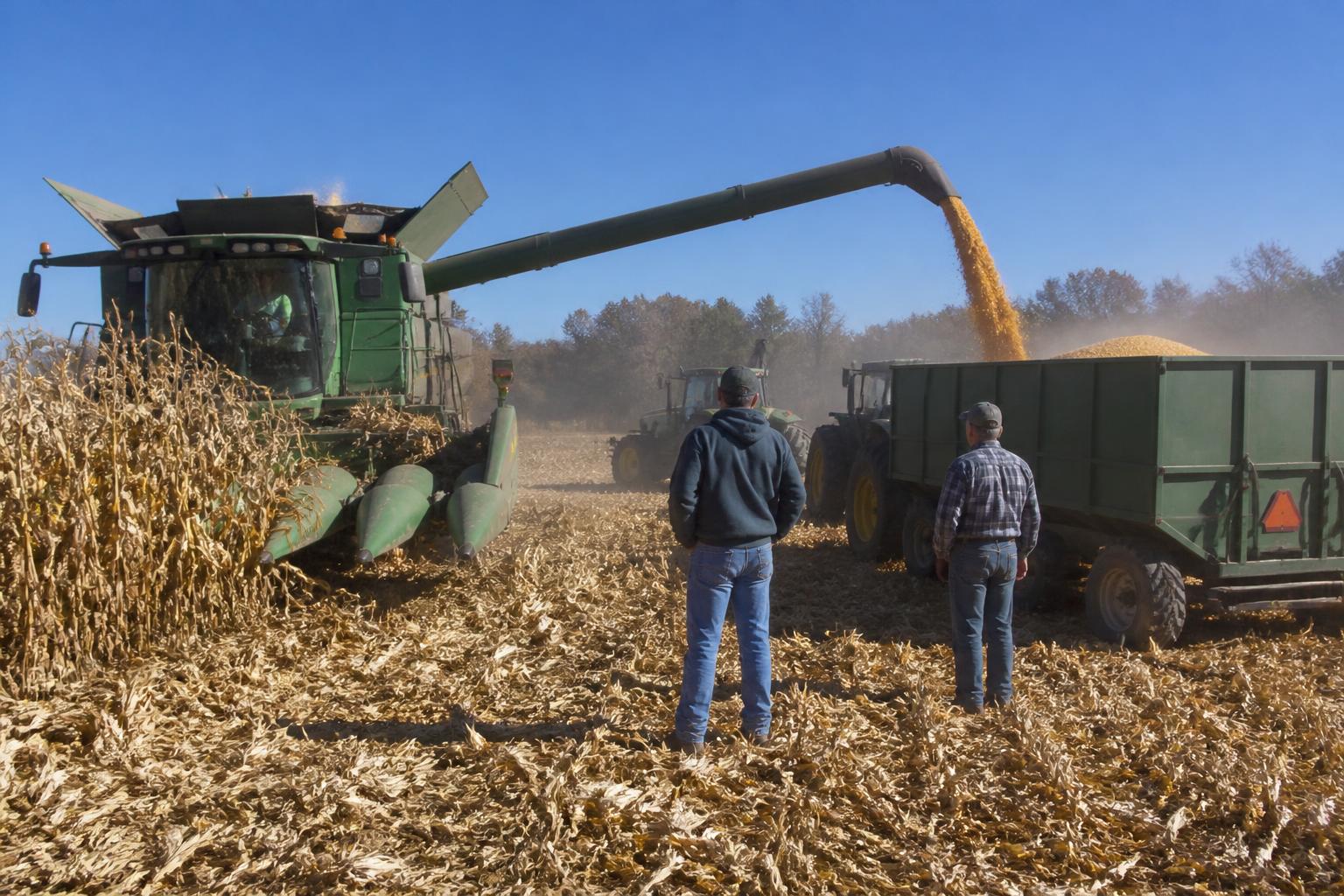
Adapting to Seasonal Logistics
As we move through November, Alabama agricultural operations are finely tuned to the rhythms of the late fall harvest. For grain handlers, local elevators, and regional transport providers, this period often necessitates a sharp focus on supply chain efficiency. Managing the seasonal transition requires close coordination across state highway corridors to ensure that crop movement remains fluid despite the common challenges of increased road traffic and shifting storage capacities.
Market Sentiment and Biofuel Policy
Beyond the immediate logistical hurdles in the field, producers and agribusinesses are keeping a close eye on broader market signals. Debates surrounding RFS waivers and their potential implications for corn demand continue to be a primary talking point for industry stakeholders. When biofuel mandates fluctuate, the downstream effects can ripple through the grain sector, influencing pricing models and storage strategies for those operating in the Alabama grain supply chain.
What it means for the market
Producers should prioritize resilient logistics plans as we head deeper into the winter months. While volatility in national energy and biofuel policy remains difficult to forecast, maintaining flexibility in your storage and marketing contracts is essential. Staying connected with local elevators regarding capacity and regional transport availability will help mitigate the risks of bottlenecks that can occur during this busy time of year.
Comments
No comments yet - be the first to share your take.