
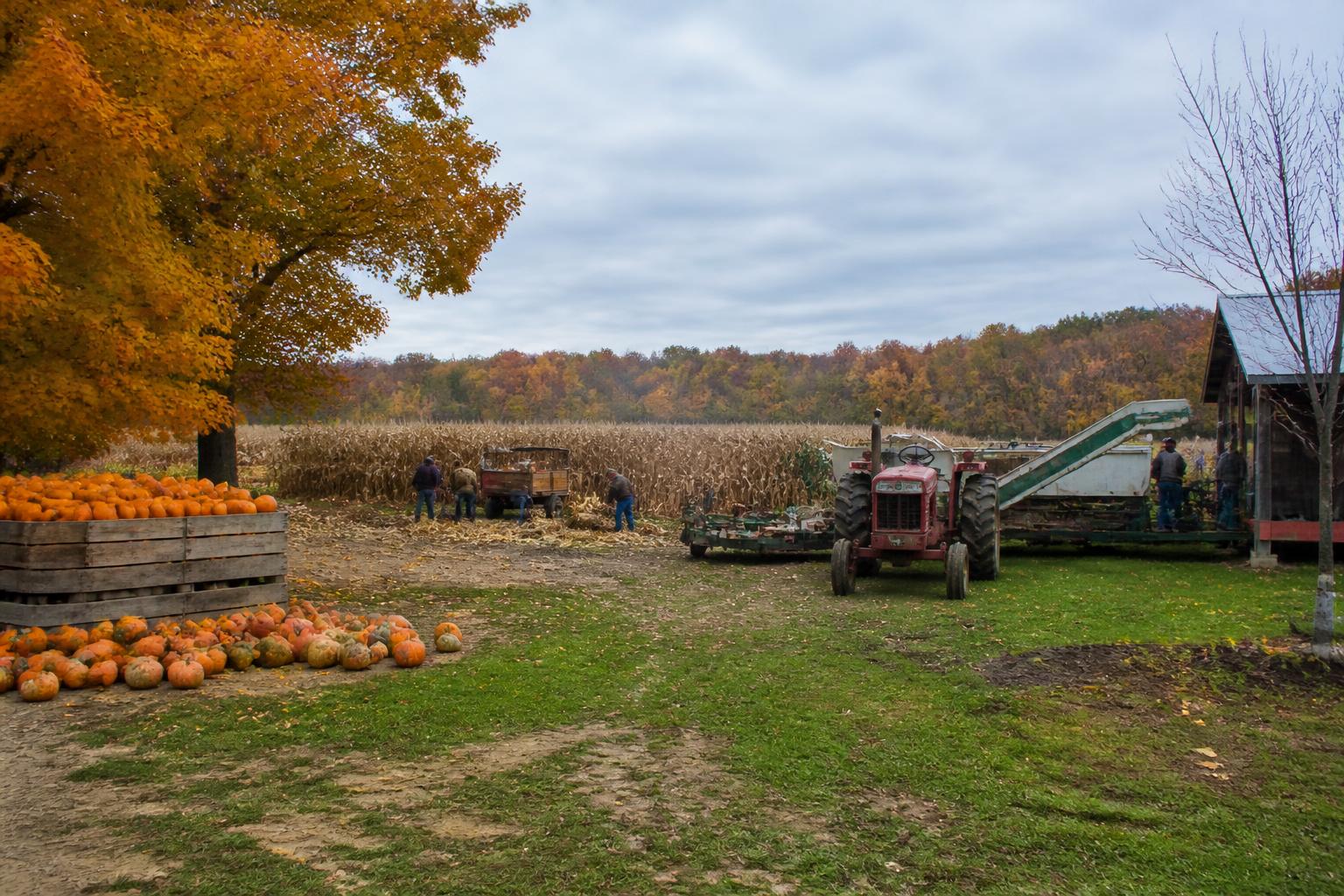
As Arizona transitions further into the fall and early winter months, agricultural activity across the state is sharpening its focus on the Yuma region. Known for its vital role as North America's winter salad bowl, Yuma is once again navigating the intense logistical demands of a high-volume harvest season. For agribusinesses and carriers, this period requires careful synchronization to keep fresh produce moving efficiently from field to market.
Maintaining momentum in this high-stakes logistics environment often involves navigating local transit pressures and optimizing workforce deployment. When regional demand surges, the importance of reliable infrastructure for navigating cross-border trade and seasonal flux becomes particularly evident. Producers and handlers are typically looking for ways to streamline their operations to avoid potential bottlenecks as transit volumes rise.
Refining Logistics for Peak Demand
The success of the winter growing season is tied closely to the underlying support systems that keep inputs moving in and finished goods moving out. This includes everything from coordinating with seasonal workforce influxes to ensuring that specialized equipment is staged correctly for field operations. In many areas of the state, firms are assessing their current logistical setups, reflecting on seasonal shifts as Yuma gears up for innovation in handling and transportation techniques.
What it means for the market
For those operating within the Arizona agriculture supply chain, the current window is an opportune time to audit cold-chain reliability and transit timelines. As operations ramp up, small improvements in load consolidation or route planning can often yield significant efficiency gains, helping regional stakeholders stay competitive during the busy winter harvest cycle.
Comments
No comments yet - be the first to share your take.