
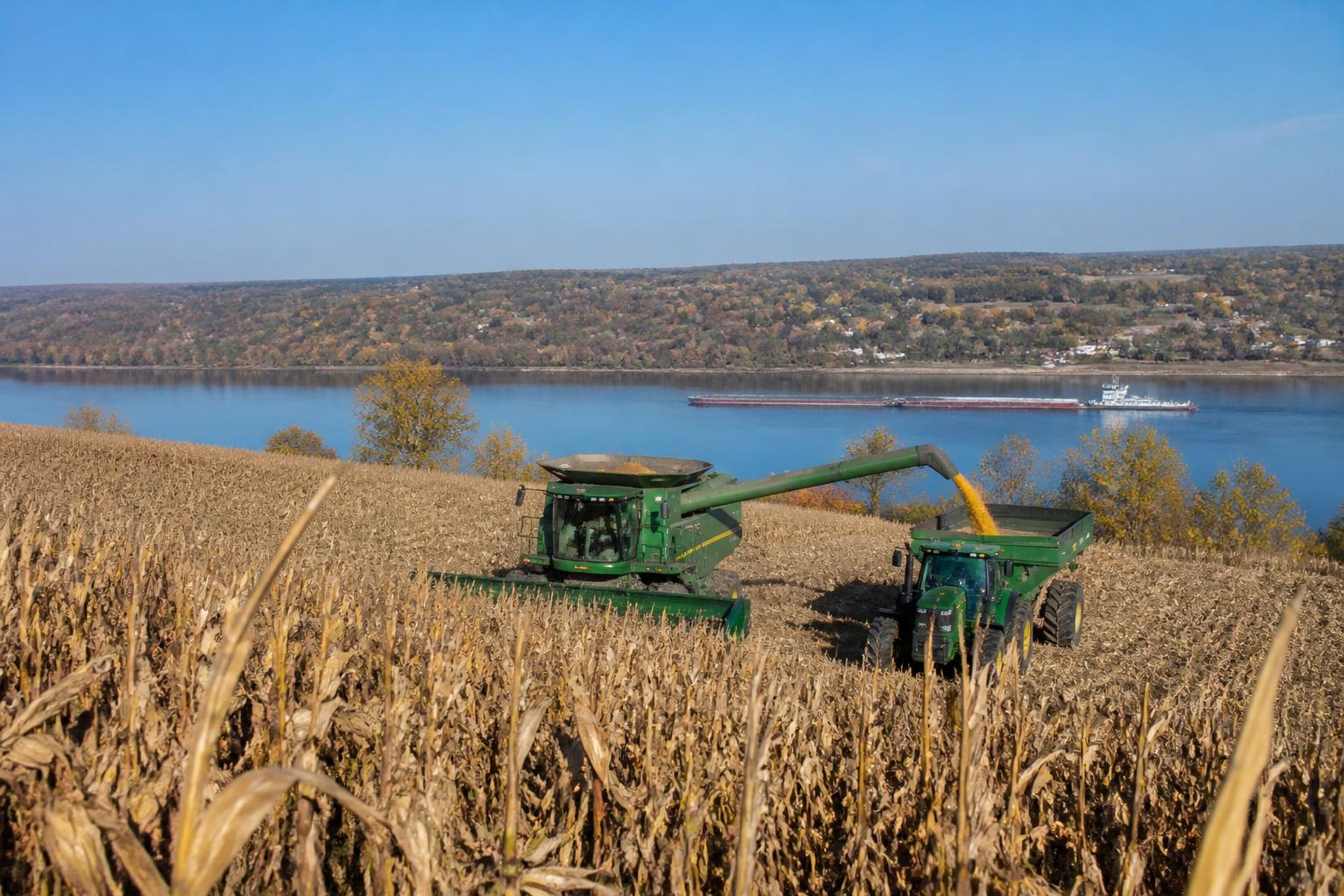
Barge Fleet Constraints and Export Pressure
As harvest activity continues across key agricultural corridors, the logistics sector faces mounting pressure from an aging barge fleet. Recent industry reporting highlights concerns that a shrinking inventory of vessels could tighten capacity for grain moving toward the Gulf Coast. For many producers and elevator operators, this structural limitation often correlates with higher freight costs, which can tighten basis levels and impact net returns for export-bound commodities.
Navigating these infrastructure bottlenecks remains a priority for fall logistics planning as seasonal volume hits its peak. Because barge transport is essential for long-haul movement in the interior, disruptions in fleet maintenance or availability typically ripple through the supply chain, requiring farmers to monitor local elevator capacity closely.
Emerging Markets in Maritime Fuel
Beyond immediate logistical concerns, the long-term demand profile for U.S. corn may see shifts tied to global maritime policy. Advocates for the biofuels sector are increasingly positioning corn-based ethanol as a viable solution for the International Maritime Organization’s net-zero carbon initiatives. By pushing for favorable carbon-intensity assessments for ethanol, industry groups hope to open new pathways for domestic feedstocks in global shipping.
Integrating biofuels into the maritime supply chain could provide an important hedge against traditional export volatility. As the industry considers how market volatility and transport shifts impact regional movement, potential growth in demand for biofuels offers a possible avenue to diversify grain utilization.
What it means for the market
In the near term, growers should anticipate potential sensitivity in freight rates as the aging barge fleet attempts to meet seasonal harvest demand. While infrastructure limitations present challenges, the evolving dialogue around maritime fuel standards suggests a long-term interest in corn-based products that could eventually support domestic consumption. Monitoring both local rail and barge availability remains critical for managing operational efficiency during the final stages of the fall movement season.
Comments
No comments yet - be the first to share your take.