
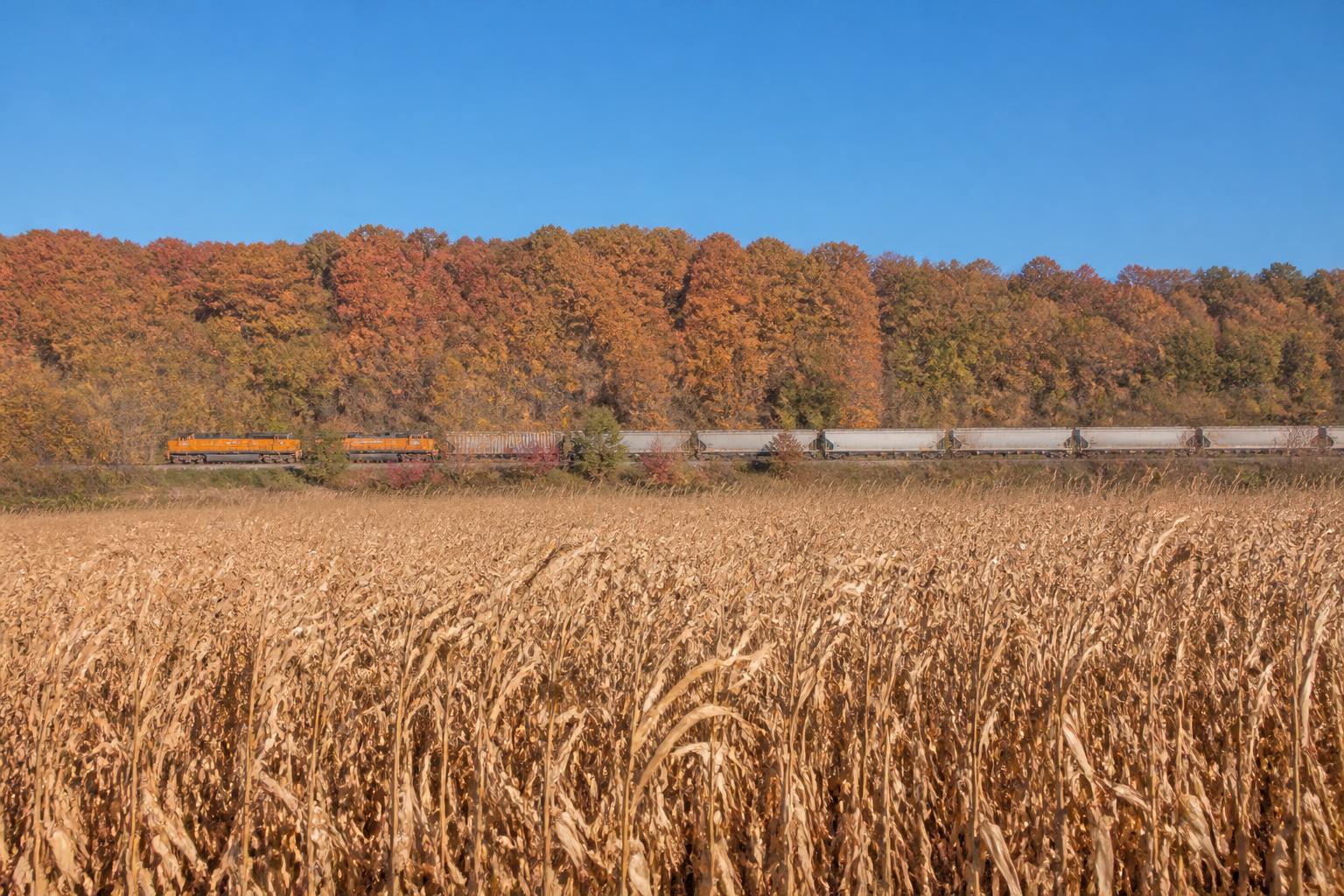
Rail Rate Volatility in Cross-Border Trade
As the fall harvest moves into full swing across the United States, logistics managers are closely monitoring shifting rail rate trends for cross-border shipments into Mexico. Recent data highlights a divergence in transportation costs for key commodities: corn rail rates have seen a 2.6% increase, while soybean transport costs have trended downward by 3%. For operations heavily invested in international trade, these fluctuations underscore the need for flexible procurement and navigating infrastructure strains to remain competitive in global grain markets.
Infrastructure Hurdles and Long-Term Costs
Barge transportation remains a critical link in the U.S. agricultural supply chain, yet the sector is contending with an aging fleet. Economists point to the potential for rising shipping costs as river infrastructure continues to face the pressures of wear and tear. For producers who rely on waterway access for moving harvest yields, the long-term outlook emphasizes the necessity of efficient inventory management as transit reliability becomes a significant factor in total landed costs for grain and input commodities.
Regulatory Adjustments Easing Input Shipping
In a move aimed at reducing cost-of-living pressures on the agricultural sector, recent federal action has provided a 90-day extension on shipping waivers. This extension, which pertains to the transport of oil and fertilizer, serves to mitigate freight expenses during the busy late-fall season. By allowing greater flexibility in vessel usage for essential inputs, the policy shift provides a temporary buffer against the high logistics costs that often impact farm-level profitability. When considering the broader impact of such policy decisions, stakeholders are reminded of the value of staying informed on fall transport logistics trends to optimize annual input procurement.
What it means for the market
The convergence of variable rail costs, aging barge assets, and temporary regulatory relief indicates a period of high volatility for agricultural logistics. Producers and grain handlers should prioritize securing transport capacity early and evaluating the cost-benefit of intermodal options to hedge against sudden shifts in shipping rates as winter approaches.
Comments
No comments yet - be the first to share your take.