
Market Sentiment and Financial Outlook
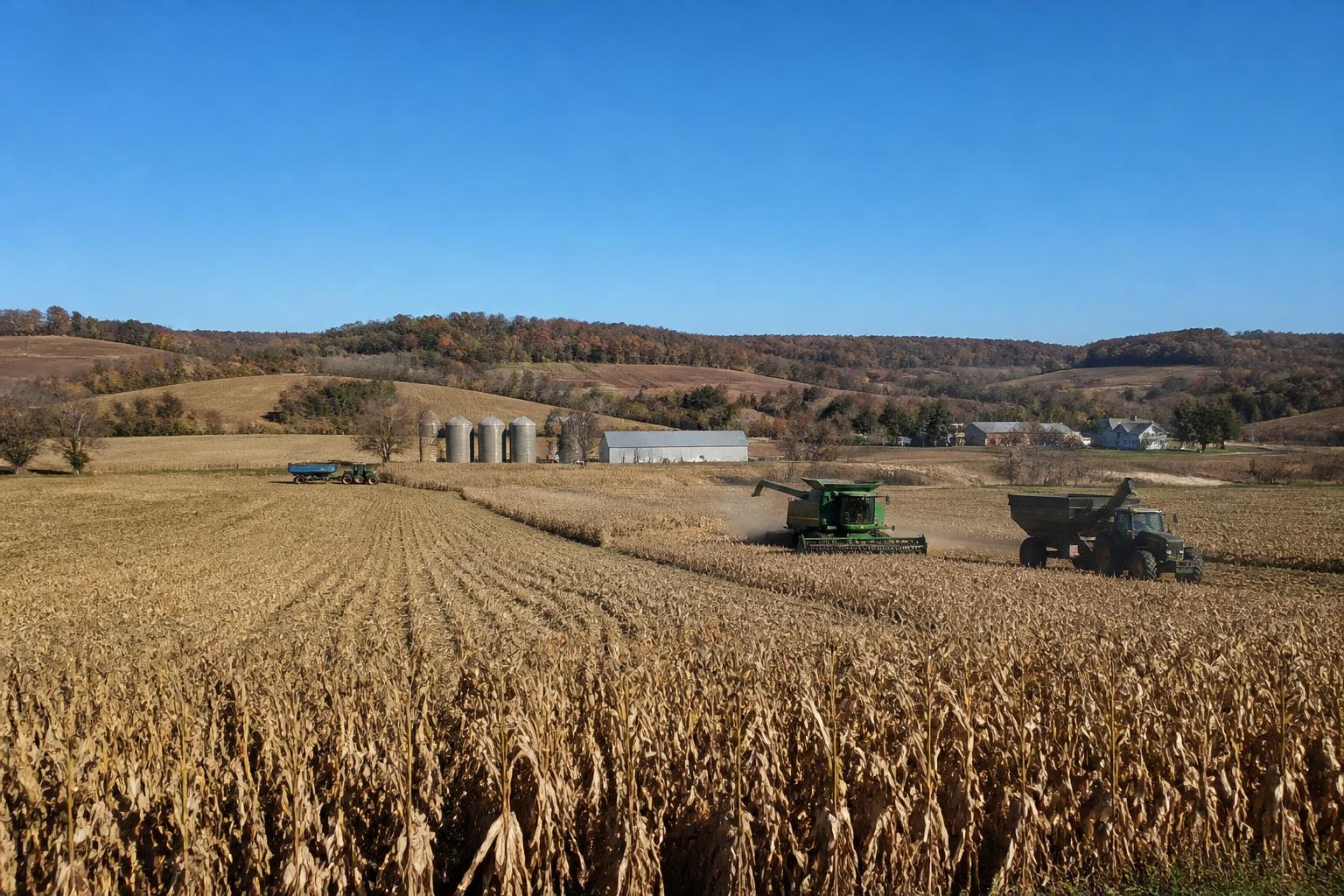
As the agricultural season winds down in North Dakota, producers and agribusiness operators are evaluating their positions in a shifting economic climate. Recent surveys among regional farm bankers suggest a sense of cautious optimism, even as land value growth remains subtle. This sentiment is often influenced by the balancing act of managing farm credit in the face of ongoing operational cost adjustments and broader market volatility.
Producers are closely monitoring how these financial trends interact with the realities of the current farm credit environment, where maintaining liquidity is essential for navigating the transition between harvest and the upcoming winter planning phase. While land values have shown resilience, the broader economic pressures on margins remain a primary concern for local operators.
Supply Chain and Commodity Dynamics
The movement of grain continues to be a central focus for North Dakota elevators and trucking firms. With the harvest cycle largely behind us, regional stakeholders are looking at current inventory levels. Recent reports indicate a reduction in anticipated ending stocks for both corn and soybean markets, a development that is prompting analysts to adjust their outlooks for the coming months. These supply-side shifts can directly impact local basis levels and, by extension, the immediate return on investment for farmers across the Red River Valley and Western North Dakota.
For those managing the logistics of storage and shipping, the current climate emphasizes the importance of efficient movement, particularly as the industry keeps an eye on national discussions regarding the integration of ethanol into maritime fuel standards. Such shifts, if implemented, could eventually reshape demand profiles for regional grain producers.
What it means for the market
For North Dakota's grain handlers and farmers, the current market reality is defined by the need for agility. With tighter ending stocks and a cautious financial outlook among lenders, strategic grain marketing and vigilant expense management are paramount. Staying informed on regional storage capacity and local logistical bottlenecks remains the most effective way to protect margins through the remainder of the fall and into the winter season.
Comments
No comments yet - be the first to share your take.