
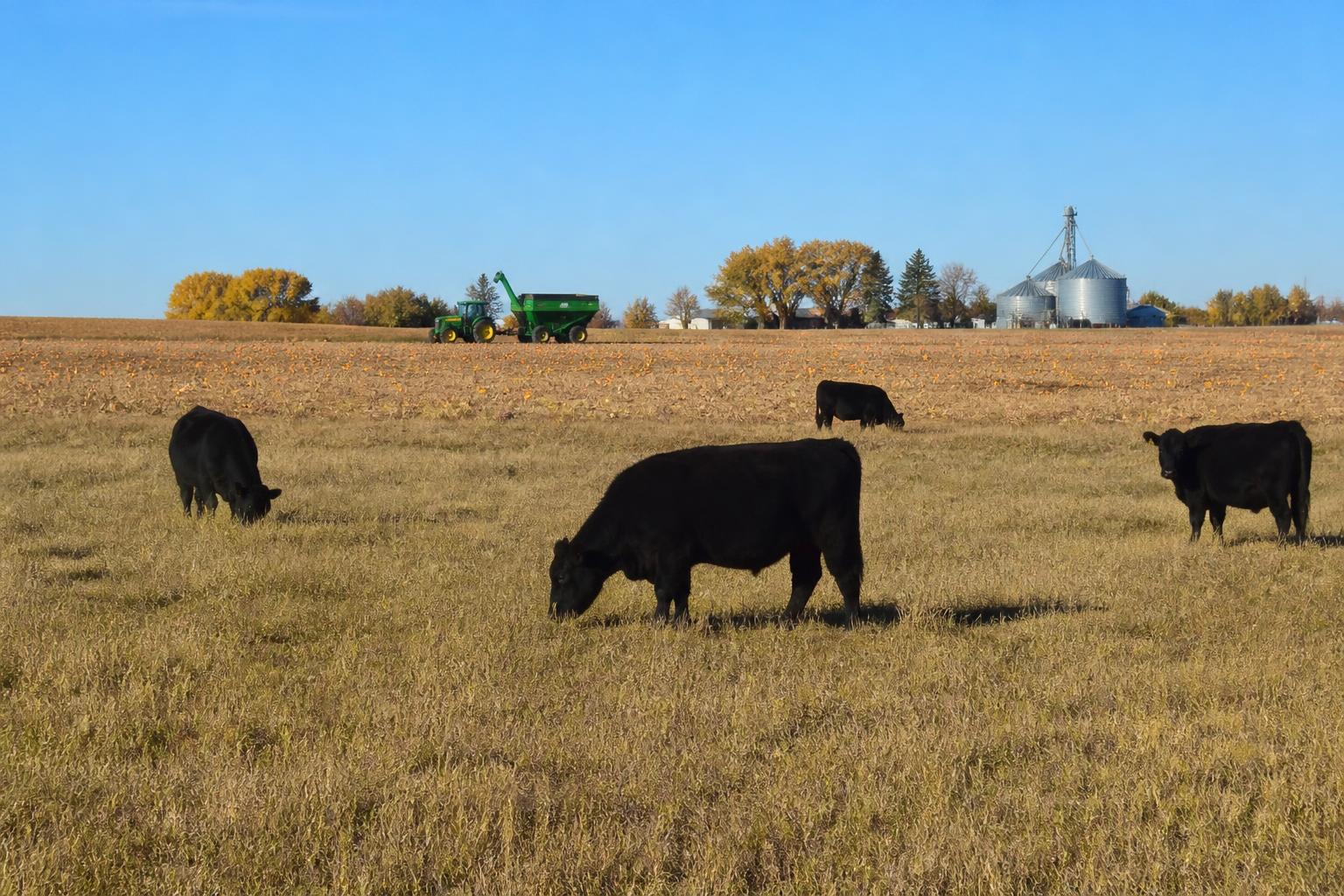
With the fall harvest now largely concluding across North Dakota, the focus among local producers has shifted toward evaluating the season's financial footprint and preparing for winter operations. Many growers are reporting that as margins tighten, the conversation within the agribusiness community has increasingly centered on credit availability and the necessity of proactive risk management strategies.
Financial institutions serving North Dakota indicate that agriculture credit risks are on the rise, necessitating a careful approach to capital allocation for the coming year. As land values hold firm, many producers are exploring how to leverage existing assets while remaining cautious about debt loads in a high-cost environment. Strengthening infrastructure and financial resilience remains a top priority as the industry navigates the current economic landscape.
Adapting to Evolving Operational Models
Beyond traditional crop management, there is growing interest in diversifying revenue streams to buffer against market volatility. Across the state, some producers are integrating managed grazing practices, which can offer benefits to both soil health and carbon capture efforts. This shift reflects a broader trend of farmers looking for versatile, cost-effective solutions that add value to their existing acreage.
Furthermore, technology continues to play a vital role in operational efficiency. Advanced data tools are becoming more accessible, allowing producers to monitor crop health with greater precision. While these innovations offer potential for improved yields and resource optimization, the primary focus for most remains the bottom line and ensuring that operational changes yield a measurable return on investment.
What it means for the market
For North Dakota agribusinesses and grain handlers, the current environment demands a heightened level of coordination. As credit remains a critical factor for input procurement, consistent communication between farmers, lenders, and service providers will be essential. Looking ahead, producers who prioritize balanced financial planning and adopt adaptable management techniques are expected to be better positioned to handle the seasonal fluctuations inherent in the region's agricultural economy.
Comments
No comments yet - be the first to share your take.