
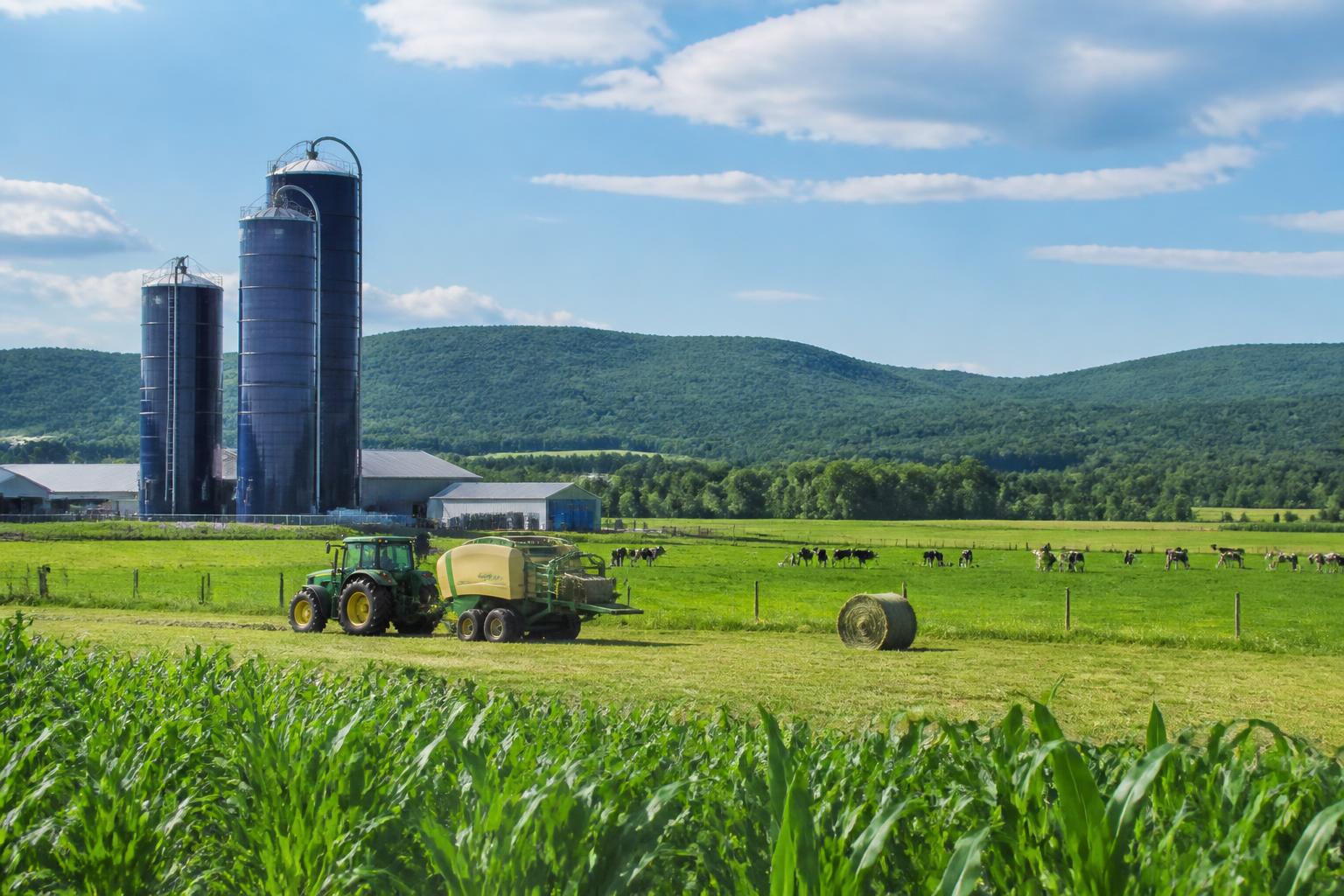
Vermont's dairy industry, renowned for its hillside pastures and premium dairy products, is facing a logistical bottleneck at the farm gate. Moving fresh, highly perishable milk from rural farms to regional processing facilities requires specialized, temperature-controlled tankers. However, a persistent shortage of qualified milk haulers is straining the regional supply chain, leaving producers vulnerable to transport disruptions during the peak production season.
As summer demand peaks, rural routes across key agricultural areas become highly active. Yet, without a steady pipeline of commercial drivers willing to handle the unique, round-the-clock demands of farm-to-plant transport, the state's agricultural economy faces an ongoing threat of stranded supply and delayed shipments.
The Driver Shortage Squeezing Dairy Haulers
Trucking milk is unlike standard freight hauling. Drivers must not only navigate narrow, winding rural roads but also hold specialized certifications to grade and sample milk at each farm stop. According to local industry reports, a shortage of commercial drivers willing to take on these demanding, variable-hour shifts has created a fragile network. Because liquid milk cannot sit in storage indefinitely, any delay in a tanker's arrival to empty a farm's bulk tank can lead to severe financial losses for both producers and processors.
The logistics are further complicated by shifting regional buyer relationships. With some major organic milk processors scaling back operations or cutting ties with Northeast farms altogether, local producers have had to rapidly find new buyers and re-route their established transportation lines. To understand how local farms are managing these transport strains, producers can review our guide on navigating summer dairy logistics and rural road demands.
Navigating Steep Slopes and Input Costs
Logistical challenges in Vermont are not limited to milk tankers. The flow of heavy farm inputs, machinery, and livestock feed into the state requires reliable regional haulers. Many local farms depend on out-of-state shipments to maintain their dairy herds, especially when facing elevated local input costs. This reliance makes the transportation network highly sensitive to diesel price fluctuations and regional driver availability.
Farmers can track the broader impact of these transport challenges on local crop and feed availability in our report on Vermont feed and grain markets. Cooperative transport arrangements and localized distribution hubs are increasingly viewed as necessary adaptations to keep rural feed mills and dairy operations economically viable through the summer months.
What it means for the market
For Vermont's agricultural sector, the transportation deficit highlights a critical vulnerability in the regional supply chain. Dairy cooperatives and independent haulers may need to offer higher incentives, flexible scheduling, or improved route planning to attract and retain drivers. For local agribusinesses, diversifying transport partnerships and securing feed and fuel contracts early will remain vital strategies to hedge against logistics bottlenecks and maintain consistent operations through the busy summer season.
Comments
No comments yet - be the first to share your take.