
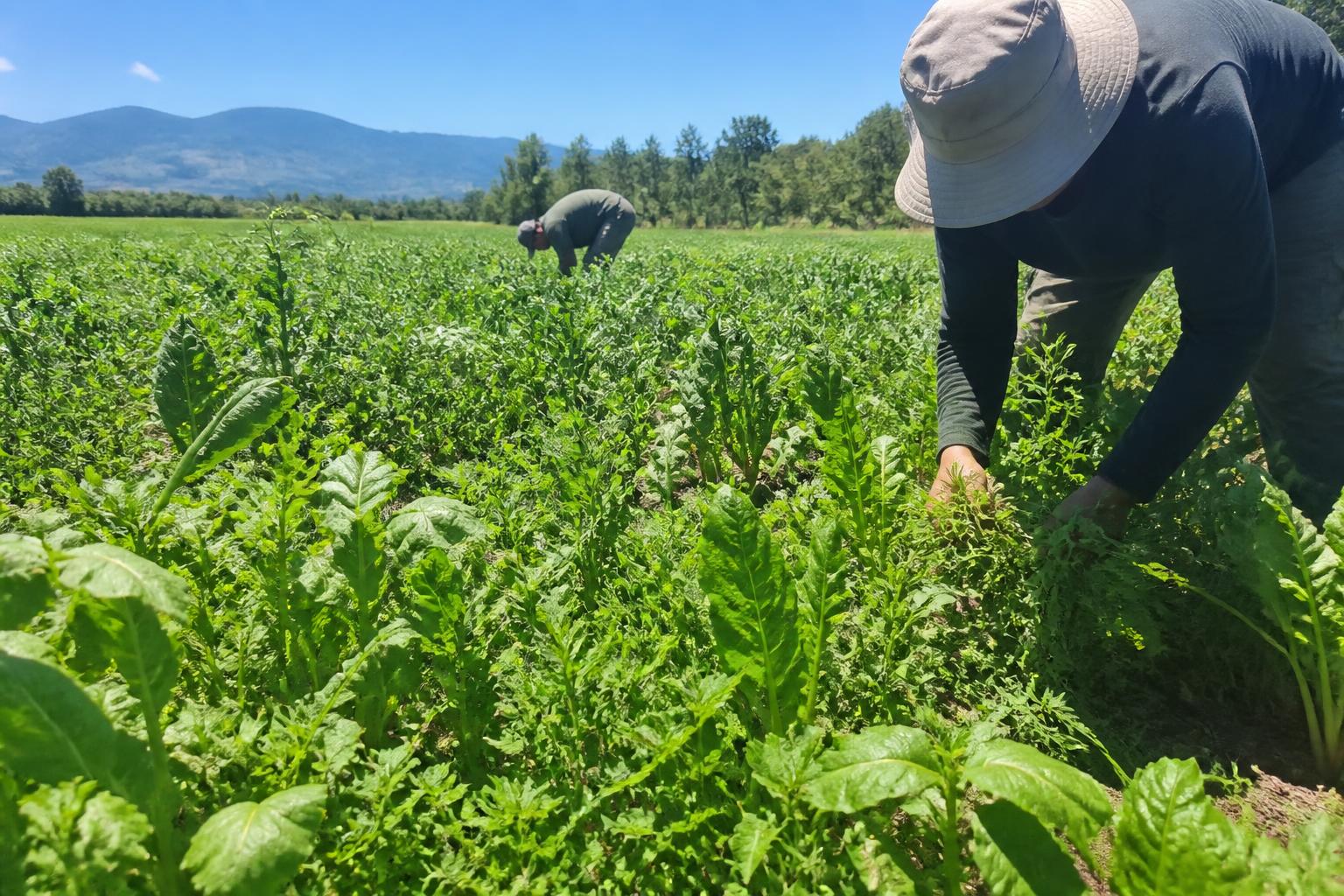
As summer heats up across New York, agricultural transporters and distributors are focusing on efficient logistics to bridge the gap between upstate growers and the high-demand downstate metropolitan markets. With major freight corridors busy with seasonal traffic, local agricultural logistics are undergoing both structural modernization and high-tech delivery adaptations.
According to the Federal Reserve Bank of New York's Global Supply Chain Pressure Index (GSCPI), global supply chains face shifting pressures, which trickles down to regional freight corridors. For New York producers, managing transport costs while maintaining fresh-product delivery windows remains a key priority this season.
Connecting Upstate Production to Urban Delivery Hubs
The movement of agricultural products from rural upstate counties to the dense population hubs of New York City requires precise logistics coordination. An increasingly vital element of this pipeline is the alignment of local transportation with broader environmental objectives, such as integrating upstate production with downstate climate goals. In metropolitan areas, delivery innovations are helping bypass typical traffic snarls. For instance, the electric cargo delivery firm URB-E partnered with an indoor farming startup to deliver locally grown produce directly within New York City, demonstrating how micro-mobility can solve the final-mile shipping challenge for perishable goods.
This localized distribution shift occurs alongside major investments in agricultural infrastructure across the state. The New York State Department of Agriculture and Markets recently highlighted the success of its 21.6 million dollar Dairy Modernization Program, which has helped regional milk producers update their on-farm facilities. Improved storage and modernized handling facilities allow dairy operations to better manage bulk transport schedules and prevent bottlenecking on regional transit routes.
Modernizing Infrastructure and Water Safety
Logistical efficiency is not just about the vehicles on the road; it also depends on environmental stewardship at the farm gate. New York State has announced a record level of funding to help farmers protect water quality, which often involves upgrading containment and runoff facilities that sit adjacent to loading docks and transit pathways. Ensuring clean operations helps avoid regulatory delays and maintains transport permit compliance during heavy summer shipping seasons.
For agribusinesses navigating the current shipping environment, keeping trucks moving efficiently involves managing summer shipping demands and transport standards. From county roads to major interstates like I-87 and I-90, keeping up with weight restrictions and regional transport regulations is crucial for preventing costly delays.
Strategic Focus Areas for Summer Freight
- Micro-mobility and Last-Mile Solutions: Integrating localized, zero-emission delivery vehicles to navigate dense urban areas like downstate New York.
- On-Farm Infrastructure Upgrades: Utilizing state-backed modernization programs to improve cooling and loading docks, which reduces truck dwell times.
- Coordinated Logistics: Offsetting localized logistics pressures by scheduling shipments outside peak commuter traffic hours.
What it means for the market
For New York's agricultural sector, the logistics landscape in summer 2026 is defined by a push for cleaner, faster, and more localized distribution networks. While global freight markets experience ongoing variability, localized partnerships and state funding programs are helping regional shippers adapt. Producers and carriers who align their practices with local climate goals and invest in last-mile delivery partnerships are likely to secure more reliable access to lucrative downstate markets, despite the typical challenges of navigating high input costs and marketing strategies during the busy summer months.
Comments
No comments yet - be the first to share your take.