
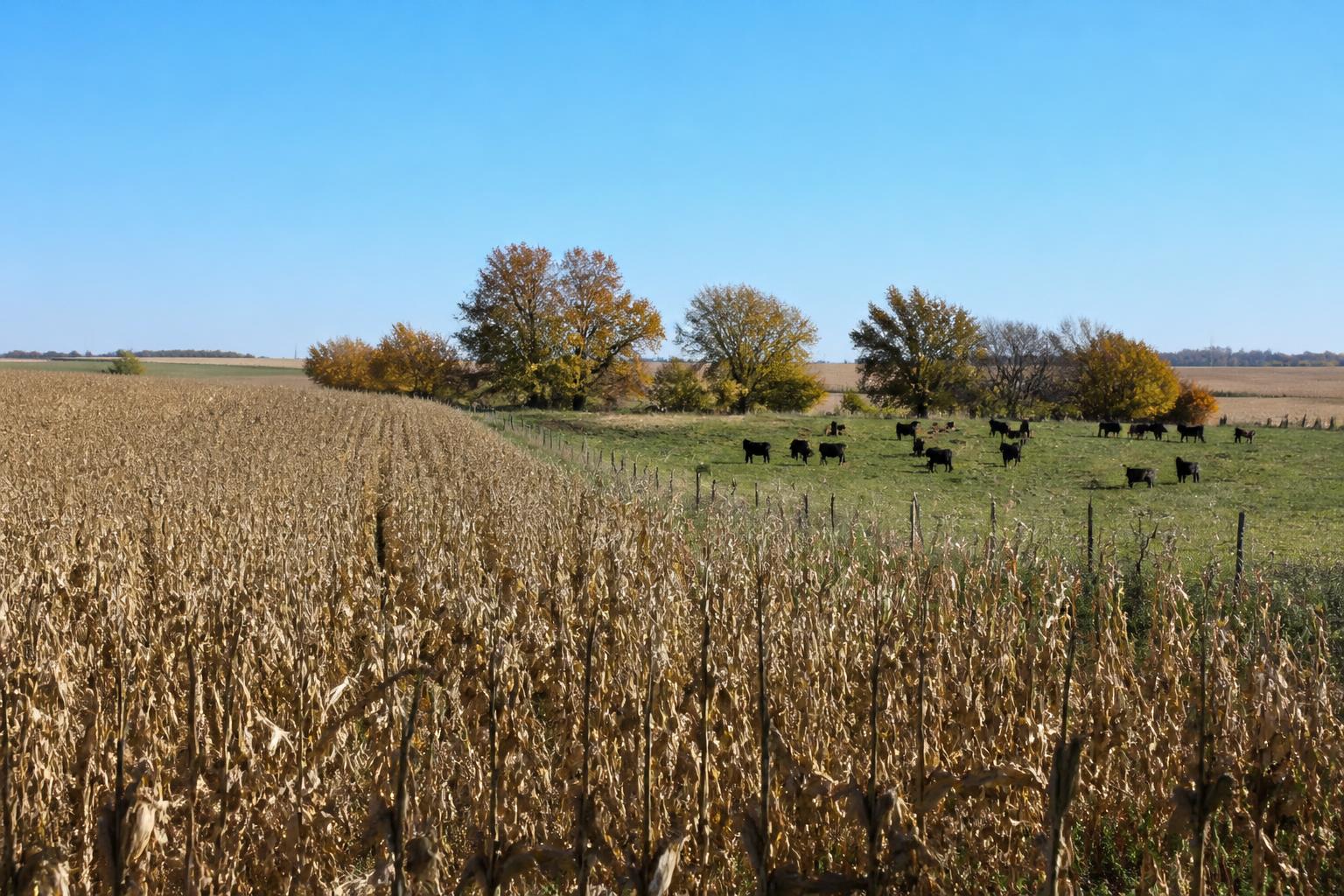
As Nebraska heads toward the final stages of the fall season, grain producers remain focused on balancing local demand signals against broader agricultural market fluctuations. The state's agricultural landscape continues to be defined by a persistent push and pull between row crop production and the needs of a vital livestock sector. For many grain handlers and farmers, monitoring the intersection of feed availability and export potential is essential for current inventory management.
Livestock expansion across the region has intensified the competition for corn acres, a trend that continues to shape regional pricing and local supply chain priorities. Producers and agribusinesses alike are keeping a close watch on how these competing interests impact basis levels and storage utilization as we move further into the post-harvest period.
Aligning Local Production with Export Goals
Nebraska's role in the global protein market remains a critical component of state economic health. With recent leadership shifts aimed at strengthening international trade relations, there is a renewed focus on expanding U.S. meat exports. For the Nebraska grain sector, this translates to sustained domestic feed requirements. Strengthening international trade pathways often requires a strategic approach to how grain is positioned and moved, as noted in recent discussions on navigating late-season logistics and supply chain efficiency.
Tech Integration and Market Resilience
Beyond traditional acreage competition, there is a growing emphasis on precision and data-driven farming. Integrating new agricultural technology is becoming a priority for producers aiming to optimize yields despite tighter margins. Whether through upgraded marketing strategies for local grain or the adoption of new survey methods in data collection, the ability to pivot quickly based on real-time market inputs is becoming a defining characteristic of successful operations in the state.
What it means for the market
The market environment in Nebraska is currently characterized by a cautious watch on both local feed demand and the broader international trade outlook. As the fall season progresses, the competition between livestock feed needs and exportable grain supplies will likely keep basis levels sensitive to local supply chain updates. Producers should maintain flexibility in their storage and sales plans to capitalize on potential basis fluctuations driven by shifts in local cattle inventories and broader trade policy developments.
Comments
No comments yet - be the first to share your take.