
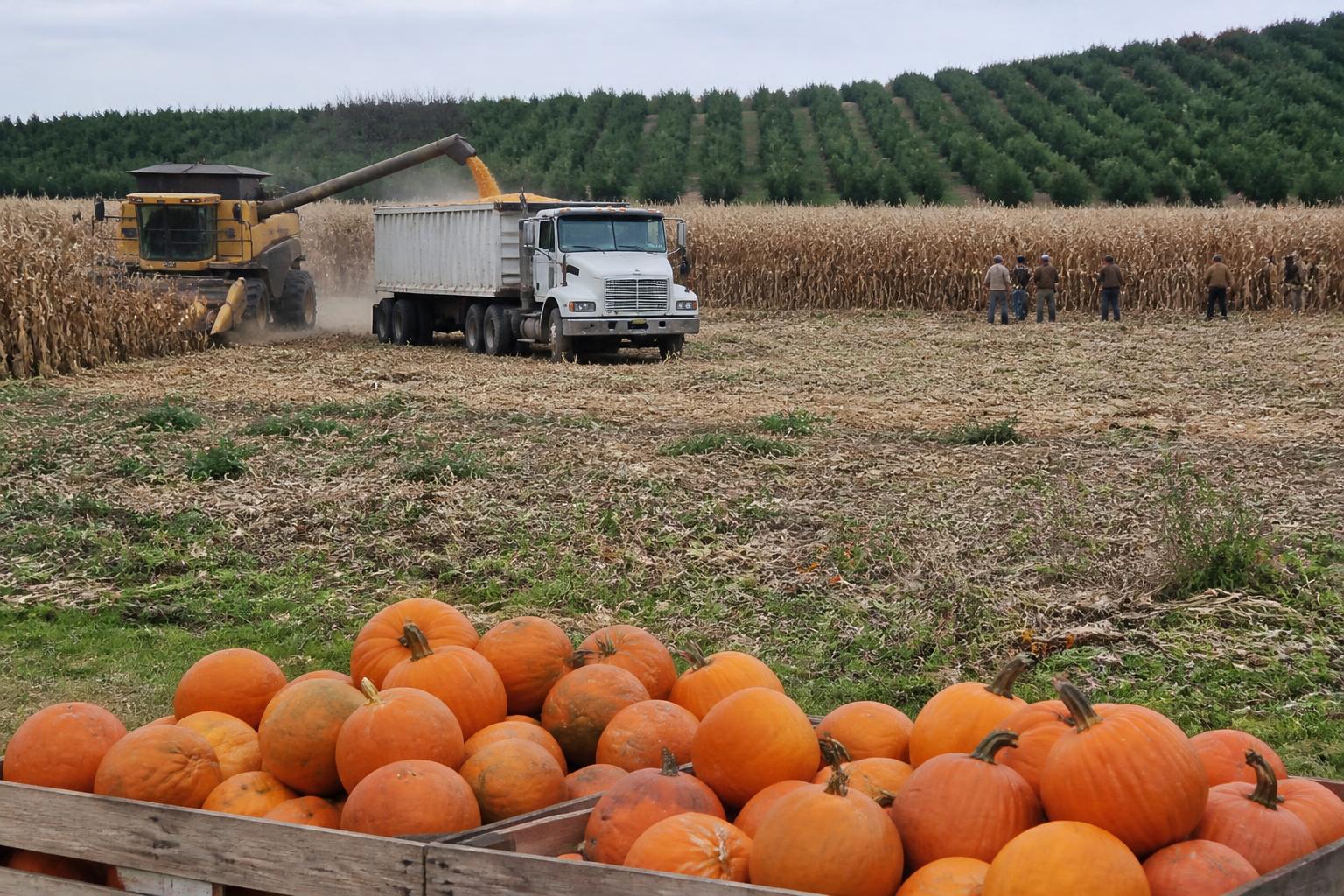
As the final stages of the harvest season progress across North Carolina, local producers are balancing the tail end of field operations with critical planning for the coming year. While national corn harvest activity continues to show significant movement toward completion, regional operations in the state are increasingly focused on clearing fields and preparing for winter cover or early-season soil amendments.
The transition into late autumn often highlights the importance of effective resource management. For North Carolina growers, this period is a vital window to assess the efficacy of this year's crop protection programs. With shifting regulatory discussions surrounding various chemical tools and herbicides, the industry is increasingly looking toward innovative biological solutions and integrated pest management strategies to maintain yield consistency.
Evaluating Long-Term Agronomic Health
Building a resilient cropping system requires more than just reactive measures. Many operations are now evaluating the long-term viability of their input choices. As global interest in sustainable agriculture grows, there is a clear push toward developing next-generation alternatives that reduce reliance on legacy pesticides. For producers in regions like the coastal plains or the Piedmont, keeping pace with these technological shifts is essential for both soil health and regulatory compliance.
Ongoing logistics and market navigation remain top of mind as growers prepare for the off-season. Whether managing grain storage capacity or optimizing input procurement for the spring, early planning helps mitigate the volatility frequently seen in regional supply chains.
What it means for the market
For North Carolina agribusinesses, the current market climate suggests a premium on stability and efficiency. Growers who prioritize balanced input strategies and stay informed on emerging biological tools are better positioned to weather potential supply disruptions. As harvest winds down, the focus on proactive field management will likely serve as a foundational element for a successful and profitable upcoming season.
Comments
No comments yet - be the first to share your take.