
Managing Emerging Root-Zone Threats in Specialty Crops
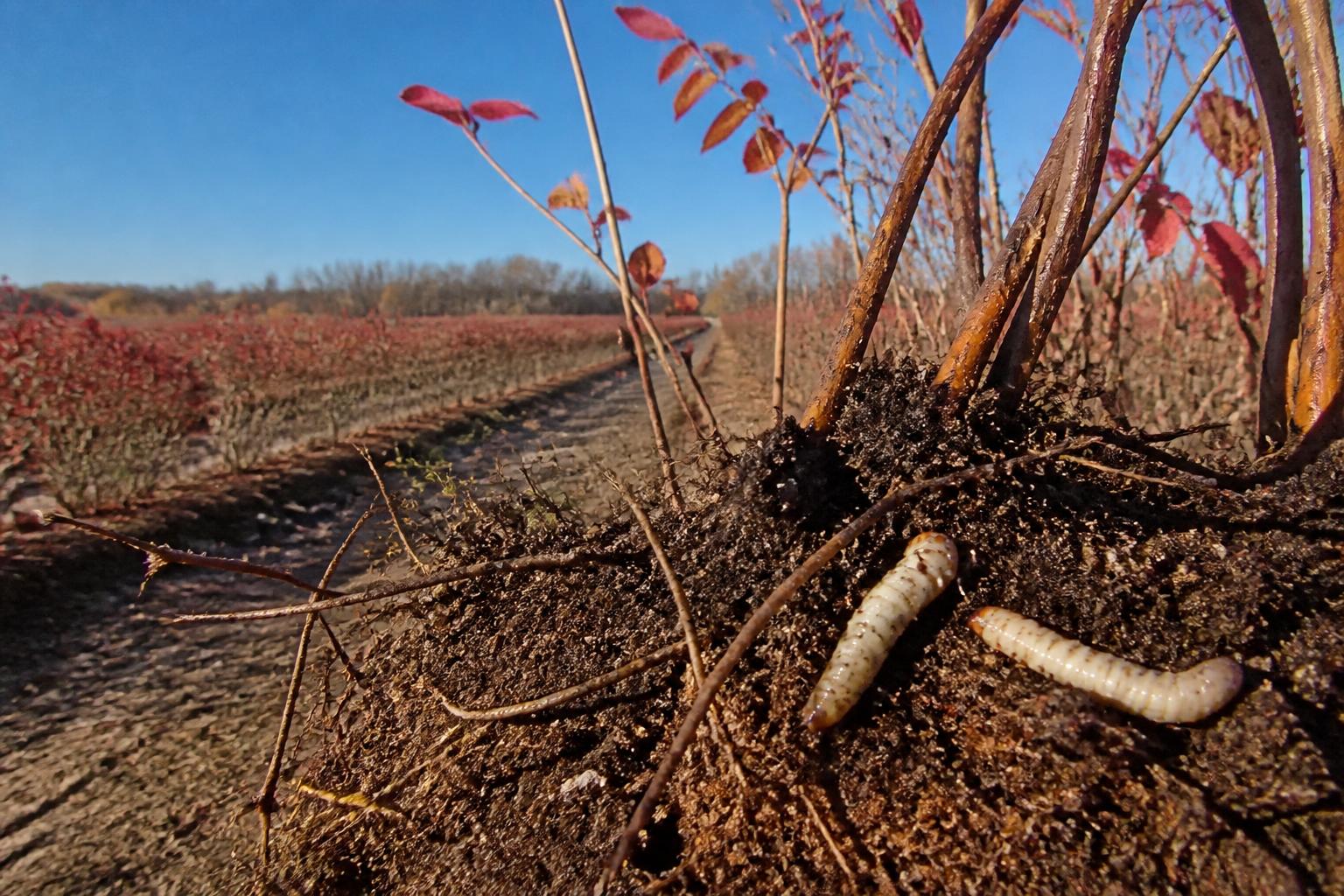
As growers in North Carolina finalize fall activities, late-season field assessments continue to highlight the importance of proactive monitoring for soil-borne pests. Recent observations indicate that specific beetle larvae are targeting the root systems of blueberry crops, potentially impacting plant vigor and long-term yields. These pests often go unnoticed until significant damage to the root architecture occurs, necessitating a comprehensive approach to scouting and integrated pest management as producers plan their winter maintenance strategies.
Evaluating Input Trends and Logistics
Effective management in the current agricultural environment requires balancing biological threats with the realities of input procurement. As the industry looks toward upcoming seasons, many producers are keeping a close watch on the broader market shifts impacting key supply chains. While global supply dynamics for essential materials can fluctuate, regional operators are finding that managing operational pressures amidst fall harvest remains a critical component of maintaining margins and planning for future soil fertility and crop health needs.
Maintaining Resilience Through Winter
The transition into the cooler months in North Carolina provides a window for producers to address systemic issues that may have developed throughout the growing season. By focusing on root health and maintaining a disciplined approach to inventory and input management, growers can better position their operations against both biological and economic volatility. Clear record-keeping of pest pressures and input application timing is often recommended to refine strategies for the next cycle.
What it means for the market
For North Carolina agribusinesses and producers, success hinges on the intersection of diligent field management and logistical foresight. While pest-related concerns require localized, immediate attention, staying informed on broader input availability helps in stabilizing operational costs, ensuring that farms remain competitive as they prepare for the upcoming planning season.
Comments
No comments yet - be the first to share your take.