
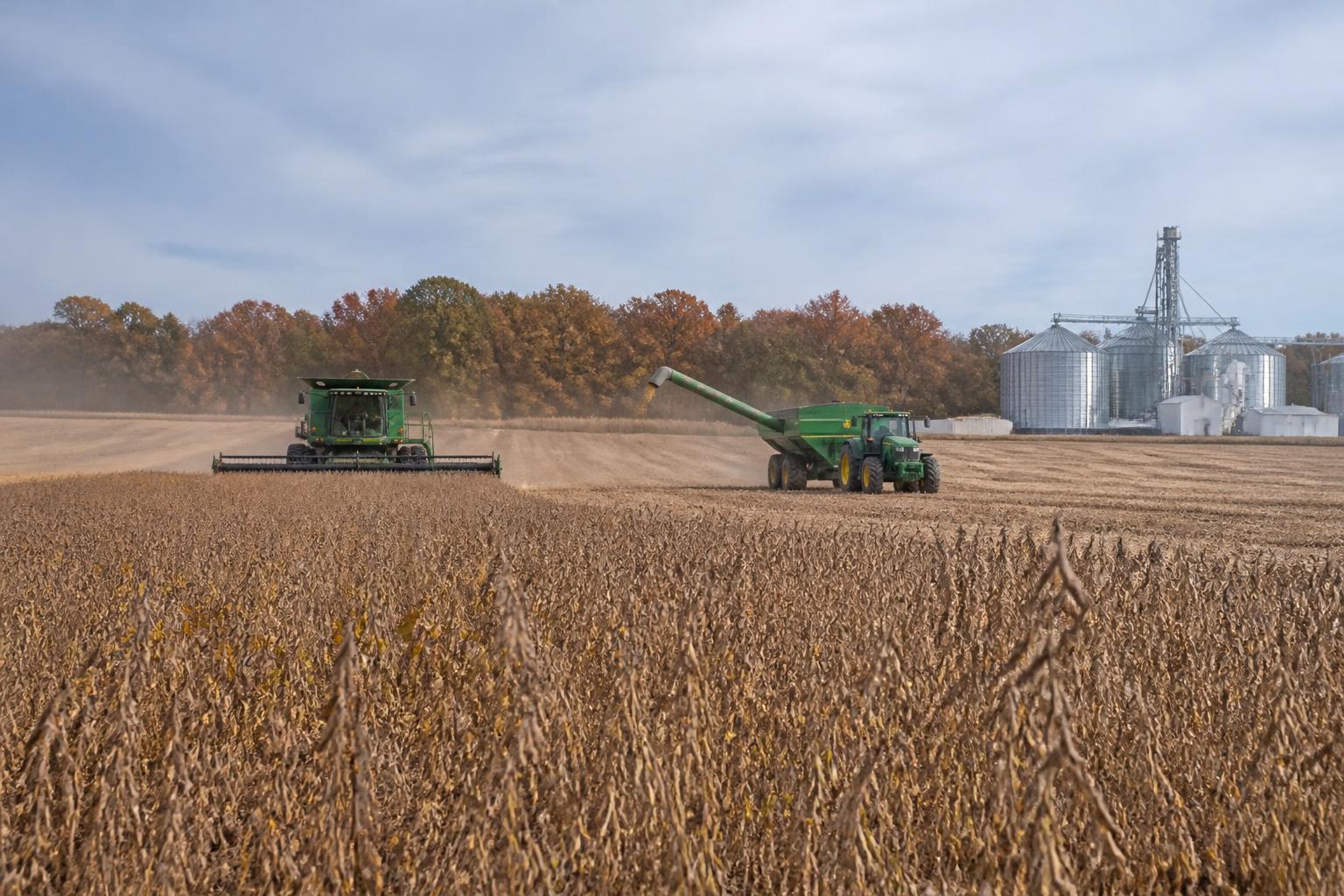
North Carolina growers are currently managing a complex late-fall environment as they work to finalize field activities. While harvest logistics typically dominate this time of year, severe drought conditions in parts of the state have created unique challenges for winter crop establishment. Producers in central regions are watching weather patterns closely, with many expressing concern over moisture availability as they aim to get wheat into the ground.
For those managing grain inventory, the current market climate remains focused on balancing regional storage constraints with shifting demand. Staying informed on local pricing trends is essential as elevators and agribusinesses adjust to the realities of the current harvest season and its impact on available supply.
Infrastructure and Future Planning
Beyond the immediate field concerns, the state’s agricultural infrastructure is seeing new developments aimed at long-term resilience. New facilities focusing on circularity and waste management are beginning to appear across the landscape, signaling a shift toward more integrated regional systems. These investments may eventually provide more efficient options for byproduct management and soil health, though growers are generally focusing on immediate moisture requirements and seasonal profitability for the time being.
Managing Risk in a Tight Market
As the year draws to a close, local producers and grain handlers are also weighing the benefits of land conservation and protection programs. In some counties, there is renewed interest in bonds and land-use initiatives that aim to help farmers keep their acreage in production despite increasing outside pressure. These programs can serve as a vital tool for maintaining stability in a sector that is already dealing with volatile input costs and fluctuating moisture levels.
What it means for the market
The combination of extreme dry weather and evolving regional infrastructure creates a cautious outlook for North Carolina grain stakeholders. As we move deeper into November, the market will likely continue to prioritize moisture-sensitive planting decisions and the efficient movement of remaining grain stocks. Keep a close watch on regional elevator basis levels, as they may shift in response to the localized production outcomes of this fall's harvest.
Comments
No comments yet - be the first to share your take.