
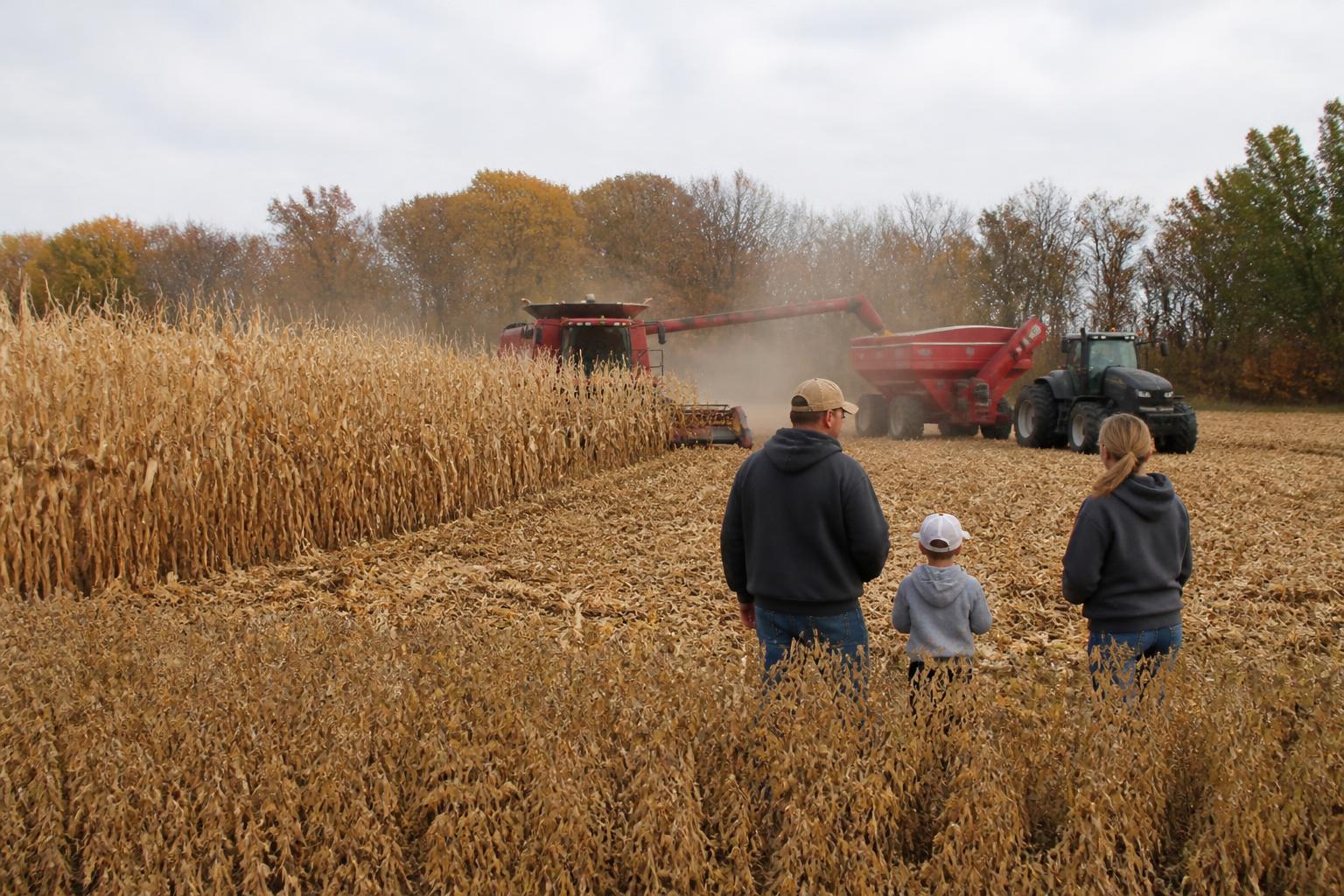
As the fall harvest season winds down across Washington, producers and grain handlers are increasingly focused on the intersection of long-term infrastructure investment and regional logistical efficiency. Recent movements in the Pacific Northwest grain corridor suggest that capacity upgrades remain a critical priority for state agribusinesses looking to maintain their competitive edge in international export markets.
For many Washington growers, the efficiency of the local supply chain is heavily influenced by the accessibility and reliability of coastal terminals. Notable developments, such as recent lease agreements for new state-based facilities, may signal a broader effort to optimize how grain moves from the inland regions to deeper-water ports. This shift in infrastructure can be particularly impactful for regional operators managing stored inventory during the transition between harvest and the winter months.
Monitoring Supply Chain and Regulatory Pressures
Logistical fluidity remains a top concern as oversight mechanisms evolve. For instance, new monitoring laws concerning fuel supplies may influence operating costs for heavy-duty freight transport, potentially affecting how carriers manage the seasonal flow of commodities from storage to terminal. These updates underscore the importance of staying informed on state-level policy shifts that can alter the baseline for transportation expenses.
Beyond internal logistics, regional stakeholders are closely watching global market dynamics. While international demand for U.S. grains fluctuates, localized logistical challenges such as rail congestion or facility capacity continue to play a pivotal role in operational success. Understanding these hurdles is essential for those looking to sell grain in Washington effectively while balancing the realities of current commodity storage volumes.
Adapting to Market Variability
As the industry navigates a period defined by both new infrastructure projects and tightening production cost outlooks, many operators are re-evaluating their storage and shipping strategies. Efficient grain logistics in Washington often depend on the ability to remain flexible when faced with unexpected terminal delays or shifts in regional energy pricing.
What it means for the market: The regional outlook suggests a period of transition where, despite broader uncertainty in input costs, proactive investment in local infrastructure and a firm grasp on transport regulatory changes will be the defining factors for successful commodity movement through the winter.
Comments
No comments yet - be the first to share your take.