
Strengthening Land Sustainability in Maine
As the fall season progresses in Maine, land stewardship remains a central theme for producers. Recent developments, such as the conservation easement placed on Moon Beam Farm, reflect a broader trend across the state where families and business owners are choosing to protect agricultural acreage for future generations. This focus on long-term land stability is essential, as maintaining heritage assets while modernizing production often requires securing the core footprint of the operation against shifting regional development pressures.
Expanding Organics Recovery and Logistics
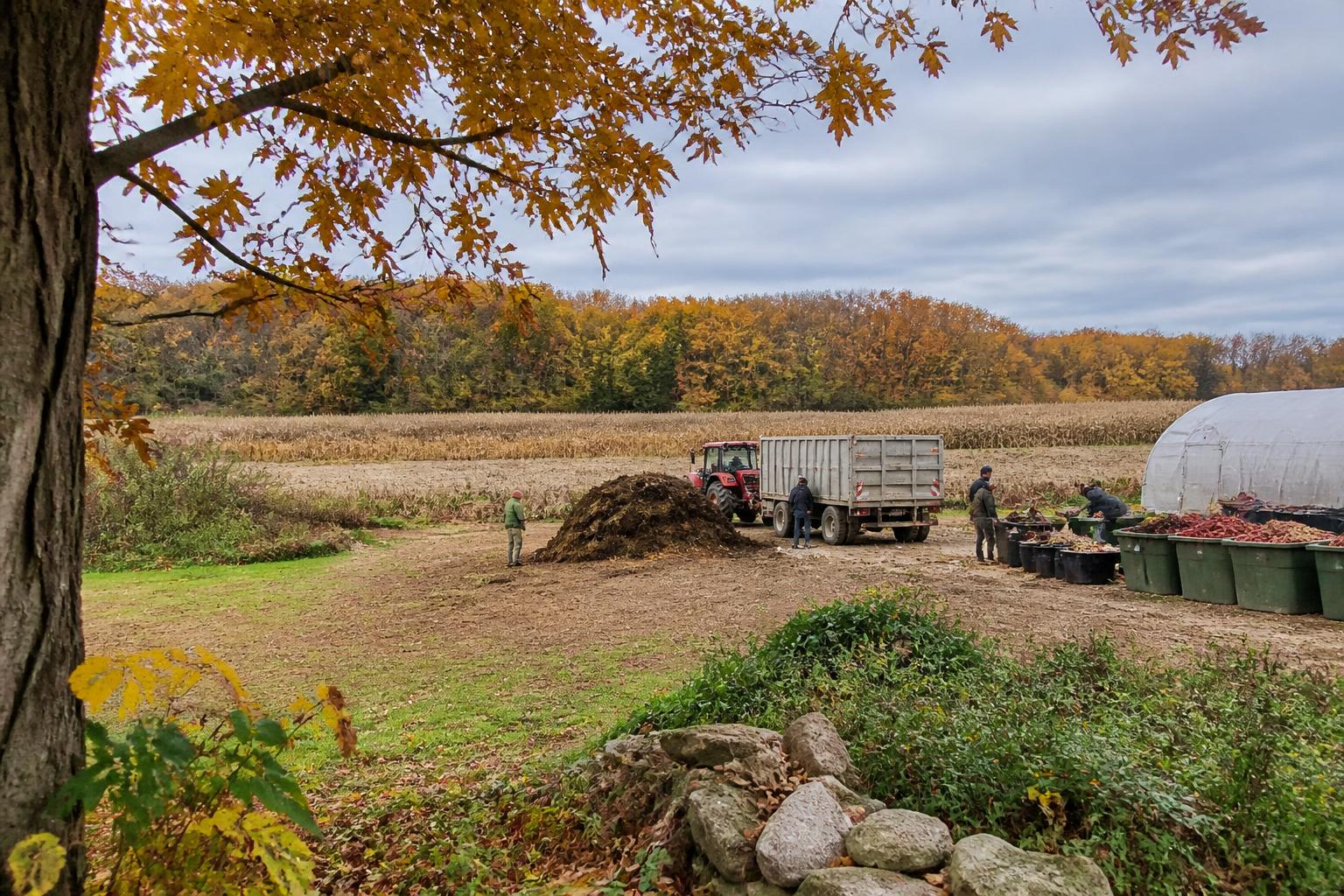
Infrastructure in the food and organics space is also evolving with the expansion of companies like Agri-Cycle into new service regions. For Maine agribusinesses, improved access to organic waste recovery services can provide a practical solution for managing on-farm byproducts. Integrating these services into existing operations may help optimize waste management logistics, potentially reducing long-term disposal costs and contributing to better soil health outcomes. As you evaluate strategies for long-term farm profitability, leveraging regional infrastructure improvements can be a key differentiator in maintaining a lean operation during the winter months.
What it means for the market
For Maine producers, these shifts signify a move toward higher operational efficiency through external partnerships. Whether through protecting land parcels or streamlining organics handling, businesses that align themselves with modern resource recovery networks may find themselves better positioned to manage inputs and overhead. This seasonal shift highlights the importance of re-evaluating operational workflows before the ground freezes, ensuring that land assets and waste management practices are optimized for the upcoming year.
Comments
No comments yet - be the first to share your take.