
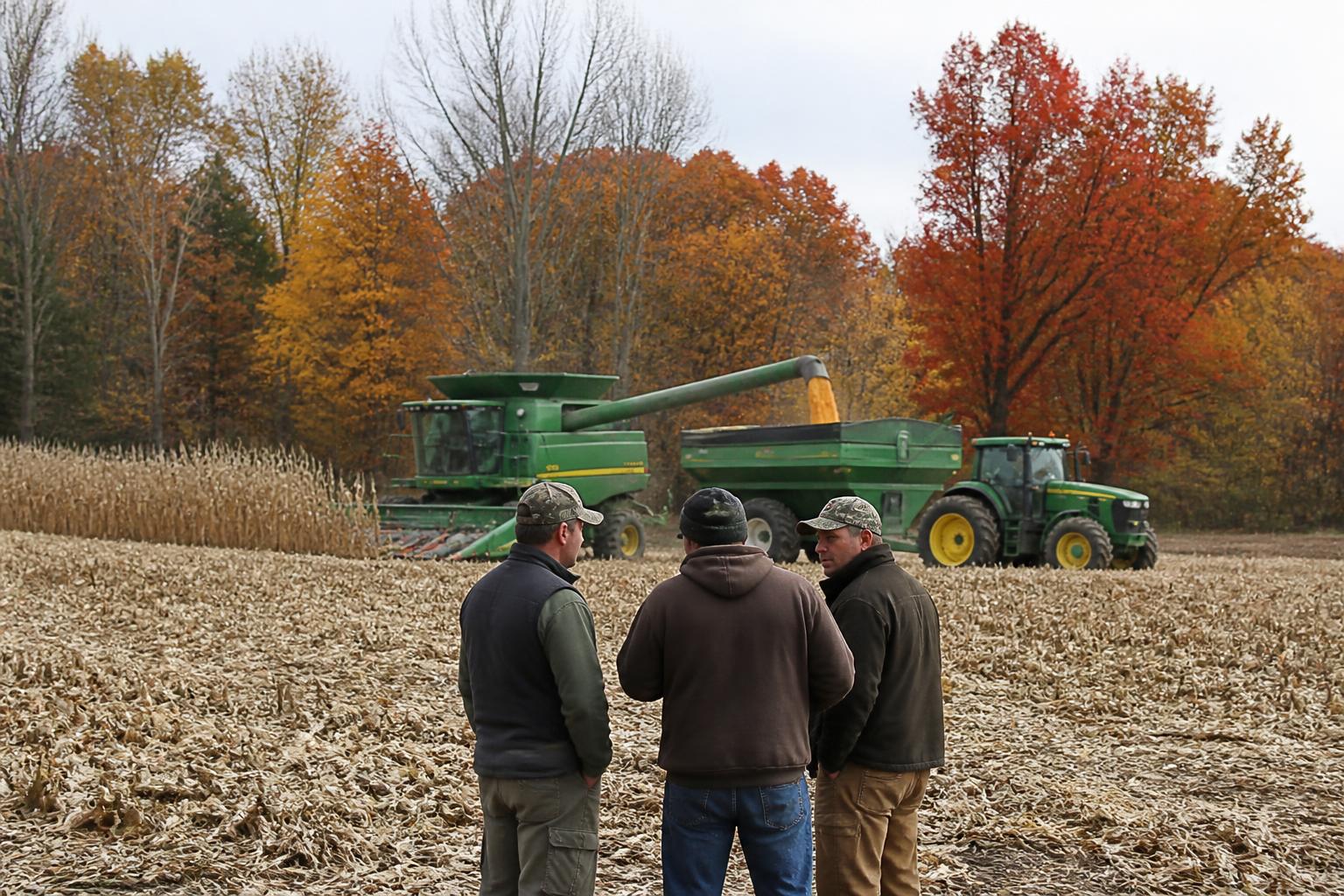
With the fall season in full swing, Maine producers are shifting their attention from harvest logistics to forward-looking financial strategies. Recent industry discussions emphasize a critical transition in decision-making: moving away from a pure yield-chasing mindset toward a focus on overall profit margins. For farmers managing diverse operations across the state, this means re-evaluating which crops offer the most resilient financial return per acre, especially as the cost of inputs continues to influence balance sheets.
Understanding how to optimize your resource allocation is essential as you prepare for the coming cycle. Many growers are finding that adjusting storage strategies and input management is often the most effective way to protect capital. By prioritizing fields and crops that require less intensive intervention while still providing reliable returns, producers may mitigate risks associated with fluctuating commodity values.
Evaluating Input Intensity and Operational Efficiency
Intensive agriculture practices have long been a hallmark of high-output farming, but they require a delicate balance of capital and environmental management. In Maine, where soil health and regional climate factors play a significant role in production, producers are increasingly looking for ways to maximize efficiency rather than simply maximizing output volume. Assessing the true cost of each application-from soil additives to specialized equipment-helps in determining if the return on investment justifies the upfront expense.
Strategic Planning for the Off-Season
The winter months ahead serve as a vital window for financial planning. Beyond reviewing yield data, successful operations are those that analyze their operational overhead and labor expenses. Whether you are managing small-scale family plots or larger commercial acreage in regions like Aroostook or Cumberland County, the ability to pivot toward a profit-first model is becoming a key indicator of long-term sustainability.
What it means for the market
For Maine agribusinesses, this shift suggests a move toward more conservative input purchasing and a higher demand for data-driven planning tools. Producers who focus on profit over yield will likely place more value on services that help optimize resource utilization, potentially softening the demand for high-cost inputs while strengthening the market for precise, efficient farming solutions.
Comments
No comments yet - be the first to share your take.