
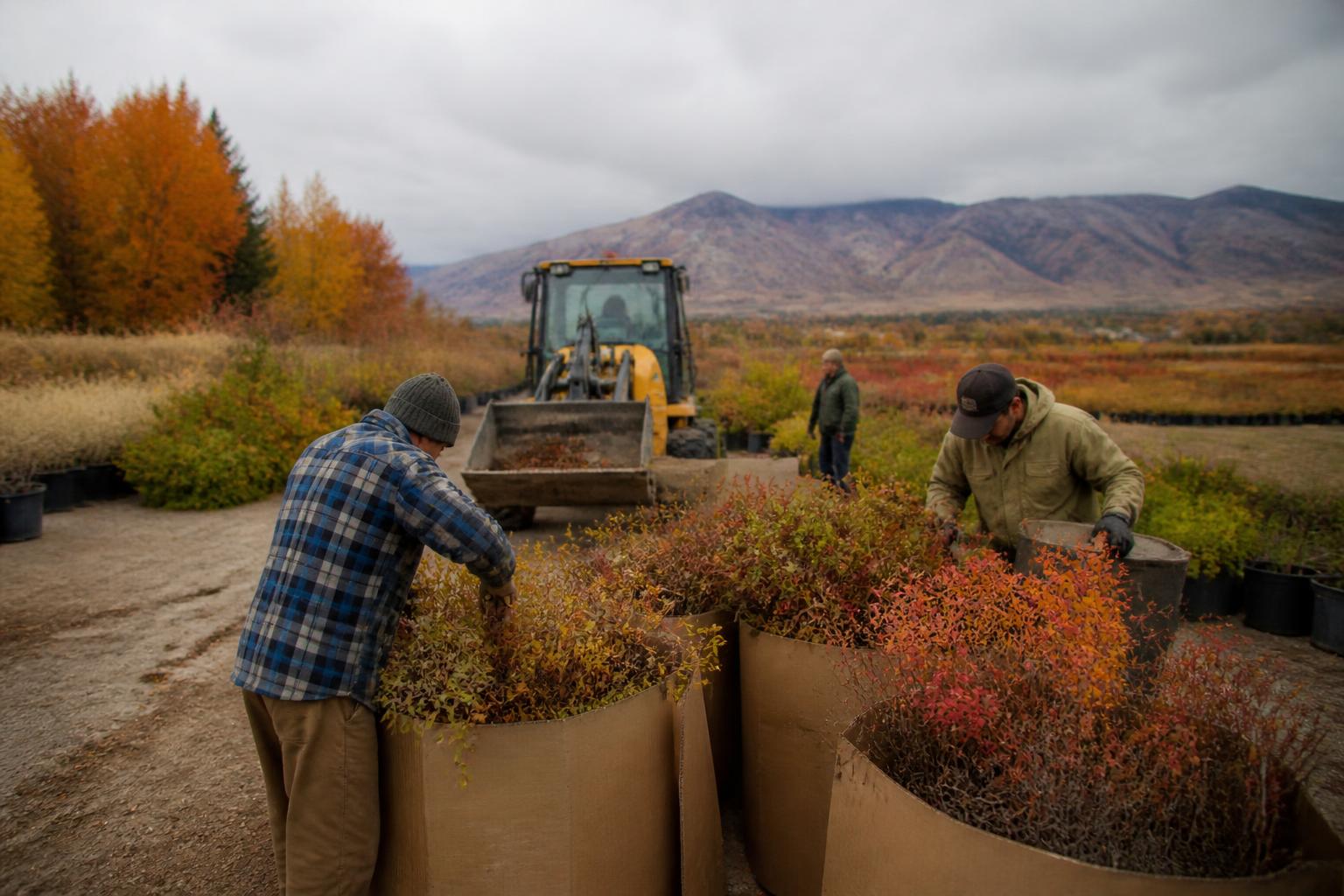
As the fall season reaches its final weeks in Utah, producers across the state are focusing on end-of-year logistics and strategic planning. Recent transitions in ownership among regional plant ranches highlight a broader trend of shifting operational models within the Intermountain West, forcing many local agribusinesses to re-evaluate their long-term supply chain partnerships.
For producers managing land and resources, understanding how these regional ownership changes affect local input availability is critical. Ensuring that infrastructure remains resilient as we prepare for winter is a priority for those looking to maintain profitability during the quiet season. Growers may find that land preservation strategies are becoming increasingly relevant as they navigate these transition periods and seek to secure their operations against market fluctuations.
Adapting to Regional Infrastructure Challenges
Logistics remain a consistent hurdle for Utah operations. Whether moving supplies across the Wasatch Front or coordinating specialized equipment for upcoming spring maintenance, the ability to anticipate transit delays is essential. Farmers who proactively address their logistics and infrastructure needs often face fewer bottlenecks during peak transition times.
Beyond physical transport, the management of input costs continues to occupy the minds of local operators. As regional players change hands, the stability of established supply lines can be tested. Staying informed on input market shifts is one way producers can maintain a competitive edge despite changing corporate ownership at the local level.
What it means for the market
The current climate suggests a period of consolidation and refinement for Utah agriculture. By prioritizing localized supply partnerships and focusing on resilient logistics, producers can better insulate themselves from the uncertainties that often follow business transitions in the sector. Keeping a close watch on regional ownership updates will be vital for long-term planning throughout the upcoming winter months.
Comments
No comments yet - be the first to share your take.