
The Shift in Infrastructure and Transport
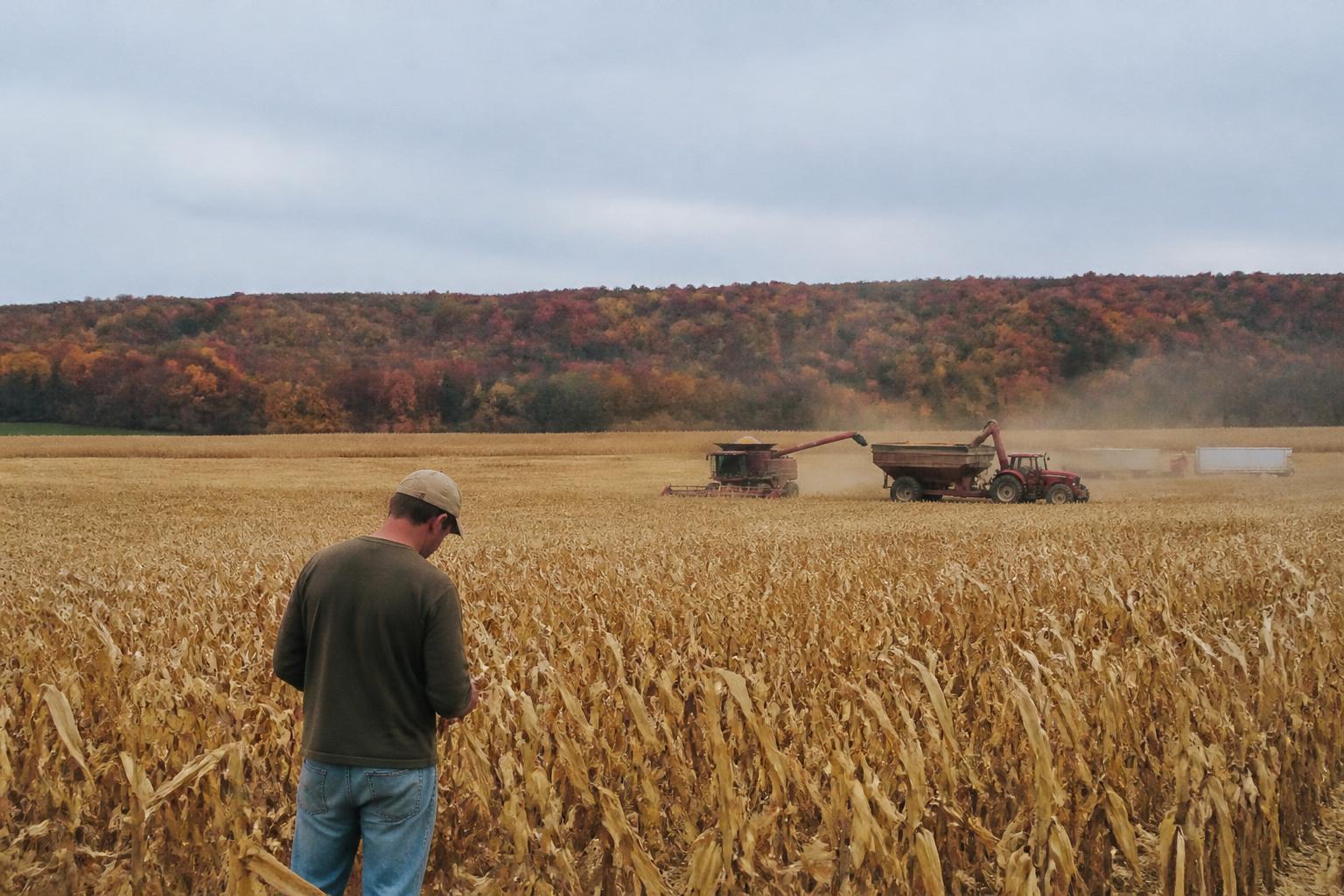
As the fall harvest winds down across Ohio, rural growers and logistics managers are keeping a close watch on evolving transportation technology. Recent initiatives to test driverless trucks on state corridors may eventually signal a shift in how grain and inputs are moved from local elevators to regional processing hubs. While adoption remains in the early stages, the integration of autonomous systems could provide new solutions to longstanding labor shortages in the trucking sector, potentially smoothing the flow of seasonal freight.
For those managing the logistics of crop movement, these technological advancements arrive alongside broader discussions regarding infrastructure. Staying informed on Ohio's harvest logistics and regional policy hurdles remains essential for maintaining margins as we look toward the winter months. As logistics chains evolve, carriers and producers alike may find opportunities to optimize routes and reduce dwell times at high-traffic terminals.
Federal Leadership and Rural Interests
Beyond the field, the political landscape is shifting in ways that could influence the future of the farm bill and federal oversight. Agricultural organizations throughout Ohio have expressed interest in the leadership of the Senate Agriculture Committee, emphasizing the need for a strong voice to represent the interests of the Heartland. Effective representation at the federal level often dictates the availability of resources for soil health initiatives and risk management programs that are critical to long-term profitability.
Producers should monitor how these potential changes in committee leadership align with the dynamics of Ohio grain markets. Sustained federal focus on the agricultural sector is typically a key factor in ensuring that local farmers have the support needed to continue investing in sustainable practices, such as regenerative soil health management, even when global market volatility is present.
What it means for the market
The convergence of automated logistics and changing federal agricultural oversight suggests a period of transition for Ohio agribusinesses. For grain handlers and input buyers, the focus should remain on hedging against current market uncertainties while preparing for a future where transport and policy both demand greater technical and political engagement.
Comments
No comments yet - be the first to share your take.