
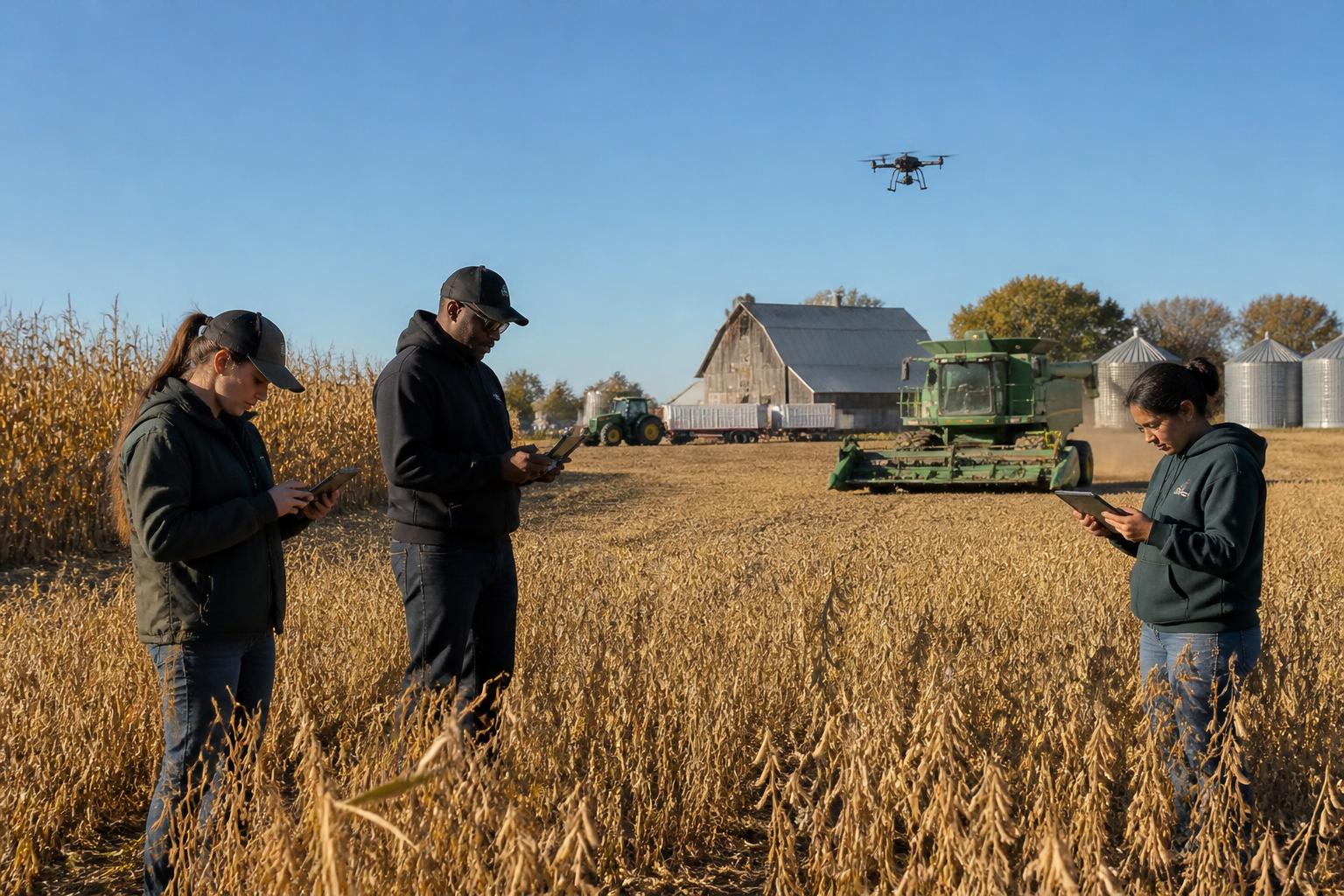
As the final stages of the fall harvest settle across Ohio, producers are shifting their focus from field operations to the intricacies of post-harvest marketing and resource management. The current market environment is marked by mixed signals, with local grain elevators balancing regional storage capacity against broader USDA supply reports that have influenced recent price activity.
For growers across the state, from the productive corridors of the Northwest to the livestock-integrated regions in the South, maintaining a handle on commodity price volatility is essential. While global supply chain developments, including concerns over offshore ammonia supplies, may create ripples for next year’s input costs, local agribusinesses are emphasizing the importance of securing essential nutrients and evaluating conservation investments early. Managing these variables effectively is often the difference between a stable season and one defined by narrow margins, particularly when navigating tight margins and shifting trade dynamics.
Adapting to Input and Financial Shifts
The agricultural landscape in Ohio is currently seeing a convergence of financial and operational updates. With the recent announcement of federal conservation payments, producers are encouraged to review how these resources might support their long-term soil health and land management goals. Furthermore, as the industry observes shifts in leadership at key regional cooperatives, farmers are reminded of the value of continuity in their supply and logistics partnerships.
Technical advancement continues to play a role in farm-level efficiency as well. Rather than viewing emerging digital tools as a replacement for labor, many successful operations are integrating these technologies to augment existing staff capabilities, allowing for more precise management of field data and operational schedules. Proactively addressing input volatility through strategic planning remains a recommended practice for those looking to buffer against the unpredictability of both global supply chains and local weather patterns.
What it means for the market
Producers should prioritize building flexibility into their upcoming operational plans. Given the uncertainty in international fertilizer markets and the fluctuating nature of cash grain bids, working closely with local elevators and crop advisors is vital. By leveraging current safety net and conservation programs, Ohio farmers can help insulate their operations against market turbulence while preparing for the upcoming planning cycle.
Comments
No comments yet - be the first to share your take.