
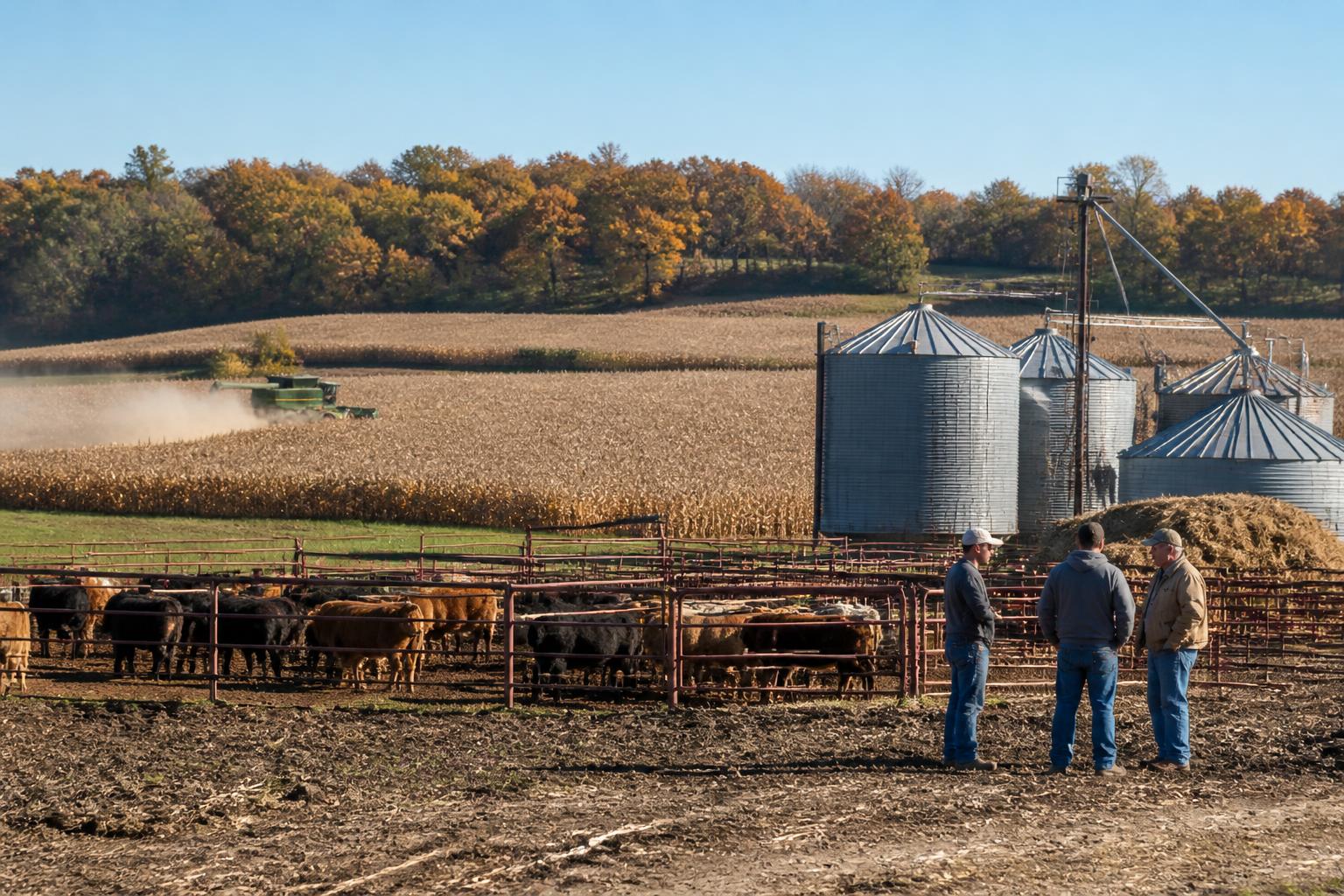
As Minnesota producers navigate the final stretches of the fall season, changing environmental conditions are beginning to reshape local agricultural outlooks. Recent reports indicate that the region is experiencing warmer, wetter conditions during late-year periods, a trend that may influence everything from soil health and field access to local infrastructure maintenance. For farmers and elevator managers alike, these shifting weather patterns require a more flexible approach to post-harvest grain management and storage strategies as the state settles into winter.
Logistics and Infrastructure Resilience
Beyond the field, the stability of regional supply chains remains a primary focus for the agribusiness sector. Current data regarding rail transit, specifically concerning trains held short, highlights the importance of maintaining efficient transport corridors across the state. Reliable rail access is often the backbone of Minnesota grain logistics, and delays in these systems can ripple through to local basis levels. Monitoring these transit efficiencies is critical for producers looking to optimize their market timing as the industry eyes future infrastructure improvements and legislative developments aimed at strengthening the domestic supply chain.
Strategic Planning in a Volatile Climate
As the industry faces these logistical realities, many producers are turning toward more robust risk management frameworks. Whether it is engaging with regional programs that help tackle industry challenges or refining individual marketing plans, there is a clear emphasis on resilience. With broader market factors—including international demand fluctuations and evolving trade landscapes—the ability to adapt remains a core competency. Proactive communication with local grain handlers regarding storage capacity and regional shipping bottlenecks can often serve as a buffer against unexpected market volatility, helping stakeholders manage tight margins during this transitionary time of year.
What it means for the market
The convergence of climate shifts and logistics pressures creates a complex environment for Minnesota agribusinesses. Farmers should prioritize long-term storage and transportation planning, ensuring that grain movement strategies are aligned with the realities of current rail performance and the increasingly unpredictable late-season weather. Staying closely connected to local market indicators will be essential for navigating these shifting conditions throughout the coming months.
Comments
No comments yet - be the first to share your take.