
As New Jersey enters the peak of the summer crop season in late June 2026, the agricultural community is facing intense pressure to optimize inputs. Following Governor Sherrill's recent declaration of a state of emergency over sweeping agricultural losses and spoiled crops across the region, local growers are re-evaluating their risk management strategies. Balancing crop health with volatile nutrient costs has never been more critical for Garden State operations.
With production margins under pressure, high-efficiency fertilizer application is no longer just an environmental goal - it is a financial necessity for survival this season.
Managing Fertilizer Shock and Diminishing Returns
Recent analytical reports, including market insights from StoneX, highlight a global fertilizer shock that continues to feed into food inflation. Geopolitical bottlenecks, such as trade uncertainties surrounding the Strait of Hormuz, continue to keep transport and raw material costs high. For New Jersey farmers, this underscores the importance of studying New Jersey fertilizer trends to avoid the costly trap of over-application.
Agronomic research indicates that many agricultural systems are reaching diminishing returns with heavy fertilizer use. Throwing excess nutrients at the soil yields less incremental harvest while drastically cutting into profit margins. Soil testing and variable-rate applications are key tools to ensure every pound of nitrogen, phosphorus, and potassium is actively utilized by the plant.
The Complexity of Blueberry Potassium in Sandy Soils
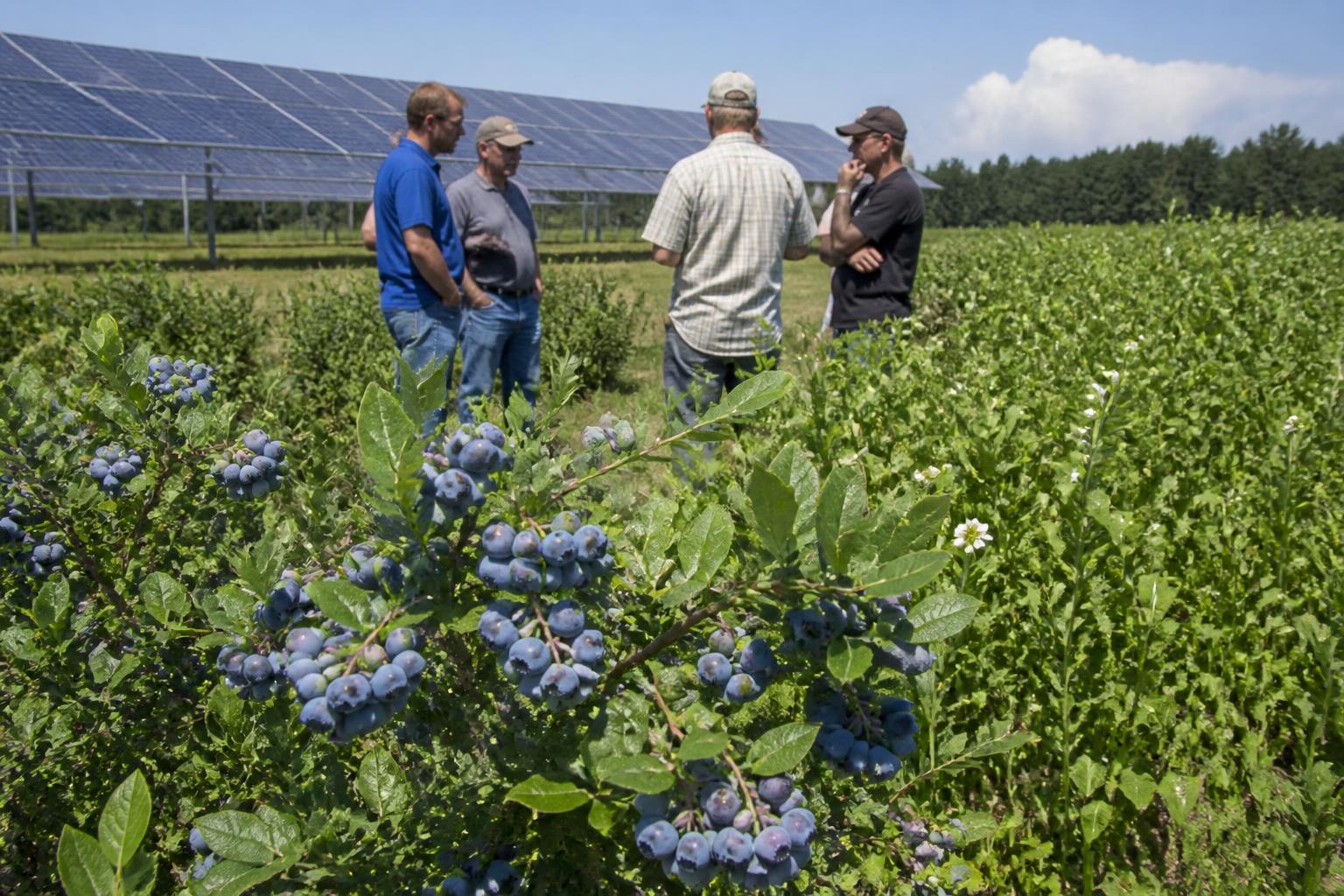
Nowhere is nutrient precision more essential than in South Jersey's famous blueberry fields, particularly within the sandy soils of Burlington County and surrounding regions. Blueberries have complex potassium requirements that demand careful calibration. Because these berry crops are often grown in highly acidic, sandy soils, applying the wrong type or amount of potassium can lead to salt accumulation or nutrient imbalances, damaging fragile root systems and reducing yield.
To offset these operational pressures, some local growers are leaning into direct-to-consumer avenues, with the Burlington County Farmers Market celebrating its 20th season, highlighting the persistent local demand for high-quality Jersey produce despite regional crop setbacks.
Mitigating Weather and Supply Risks
The state of emergency declared by Governor Sherrill emphasizes the vulnerability of Northeast agriculture to unpredictable summer weather. To build long-term resilience, farms are exploring adaptive management strategies. Understanding local dynamics, such as those discussed in protecting the Garden State against climate risks and crop shifts, helps producers align their summer input purchases with practical crop requirements rather than speculative over-buying.
Key Takeaways for NJ Growers:
- Targeted Potassium: Blueberry operations must carefully monitor potassium sources to avoid root zone salinity in sandy coastal soils.
- Avoid Diminishing Returns: High input prices mean that over-fertilization acts as a direct drain on profitability with minimal yield benefit.
- Local Adaptation: Leverage regional marketing channels and cooperative extension data to buffer against crop spoilage and weather disruptions.
What it means for the market
For New Jersey agribusinesses, chemical distributors, and growers, the combination of high global fertilizer prices and localized crop emergencies highlights the need for extreme nutrient efficiency. Expect tight bidding for specialty fertilizers, especially potassium sulfates and low-salt alternatives suited for sensitive berry and vegetable crops. Moving forward, buyers who utilize split applications and precise soil-moisture monitoring will be best positioned to weather the high-cost summer market.
Comments
No comments yet - be the first to share your take.