
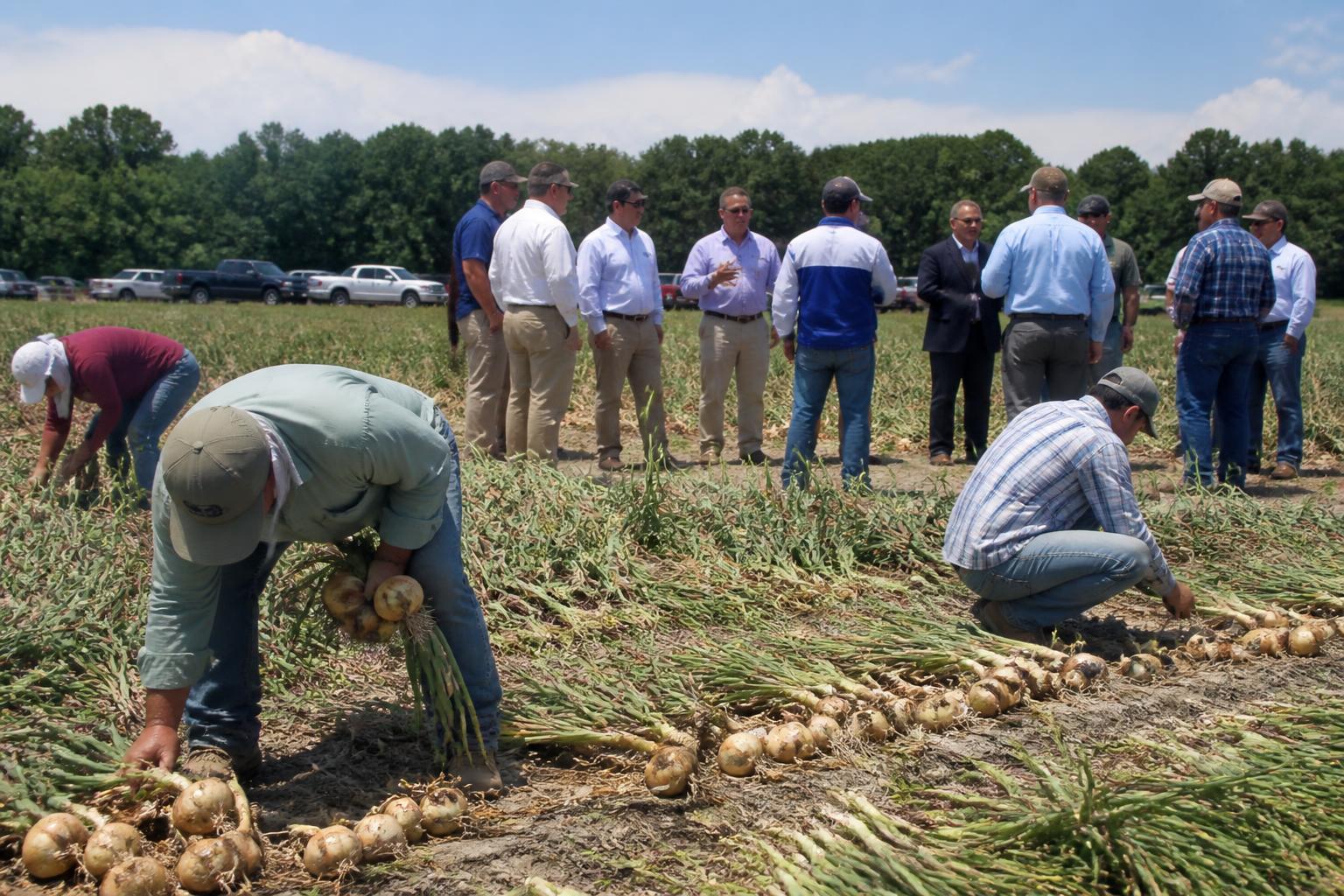
As the mid-summer heat settles over Georgia fields this June, row crop producers and poultry growers alike are closely watching the fertilizer markets. Geopolitical instability and energy market fluctuations continue to trigger concerns of sudden price spikes for synthetic fertilizers. For Georgia cotton, corn, and peanut growers already operating on tight margins, finding cost-effective soil management strategies has become a top priority for protecting summer yields.
To shield their balance sheets from international market swings, many local operations are re-evaluating their nutrient strategies. By integrating regional byproducts and understanding local freight dynamics, agribusinesses can keep their soils productive without over-relying on volatile global supply chains.
Navigating Volatility with Local Resources
With global energy markets volatile, the threat of rising synthetic fertilizer prices looms large for Southeast producers. Securing inputs early and exploring regional alternatives are key to mitigating these price shocks. To protect their margins, many growers are reviewing the Georgia fertilizer outlook for alternative nutrients, looking toward regional production and recycled inputs to keep application costs manageable.
In addition to traditional commercial fertilizers, regional sourcing provides a crucial buffer. However, moving these bulk nutrients to the farm gate requires solid supply chain coordination, especially during peak application windows.
The Role of Poultry Litter in the Nutrient Mix
As one of the nation's leading poultry producers, Georgia has an abundant supply of poultry litter, which serves as an excellent organic fertilizer containing nitrogen, phosphorus, and potassium. Applying poultry litter not only supplies essential crop nutrients but also improves soil organic matter. However, experts warn that successful litter integration requires careful management. Growers must monitor application rates, run regular soil tests, and ensure even distribution to prevent nutrient runoff or localized nitrogen deficiencies.
Because the state's massive poultry industry produces significant volumes of litter, local logistics remain a crucial variable. Understanding how poultry logistics and exports impact regional availability is vital for growers trying to secure high-quality dry litter when demand peaks.
Balancing Risks with Alternative Fertilizers
While alternative fertilizers like municipal biosolids and recycled waste offer a lower-cost alternative to synthetic commercial fertilizers, they are not without risk. Agricultural extension specialists point out that municipal waste must be carefully vetted for heavy metals, chemical residues, and potential pathogen contamination before application on agricultural land. Regular testing is required to protect long-term soil health and ensure compliance with regional environmental standards.
For operations relying on imported chemical blends, Georgia's robust transit infrastructure remains a major asset. The Port of Savannah, now the top U.S. port for agricultural exports, plays a key role in keeping both export and import supply chains active. Ensuring timely delivery of bulk imports depends on the efficiency of local highways and rail corridors. Keeping tabs on Georgia ag freight trends is essential for anticipating potential delays at key transit hubs during the busy summer season.
Key Takeaways for Georgia Producers
- Monitor Global Trends: Keep a close eye on global energy and geopolitical developments that could trigger sudden price hikes in nitrogen and potash.
- Optimize Poultry Litter: Treat poultry litter as a precise chemical equivalent by testing nutrient levels and calibrating spreaders to maximize efficiency.
- Manage Biosolid Risks: Exercise caution when using municipal waste alternatives, ensuring all materials are thoroughly screened for contaminants.
- Plan Logistical Windows: Coordinate fertilizer shipments well ahead of application needs to avoid mid-season transportation bottlenecks.
What it means for the market
Georgia agribusinesses that successfully diversify their nutrient portfolios by combining commercial synthetic fertilizers with properly managed poultry litter and alternative inputs will be best positioned to survive volatile market conditions. Keeping a close eye on regional freight networks and local supply chains will be the deciding factor in securing reliable, cost-effective soil fertility through the rest of the summer crop cycle.
Comments
No comments yet - be the first to share your take.