
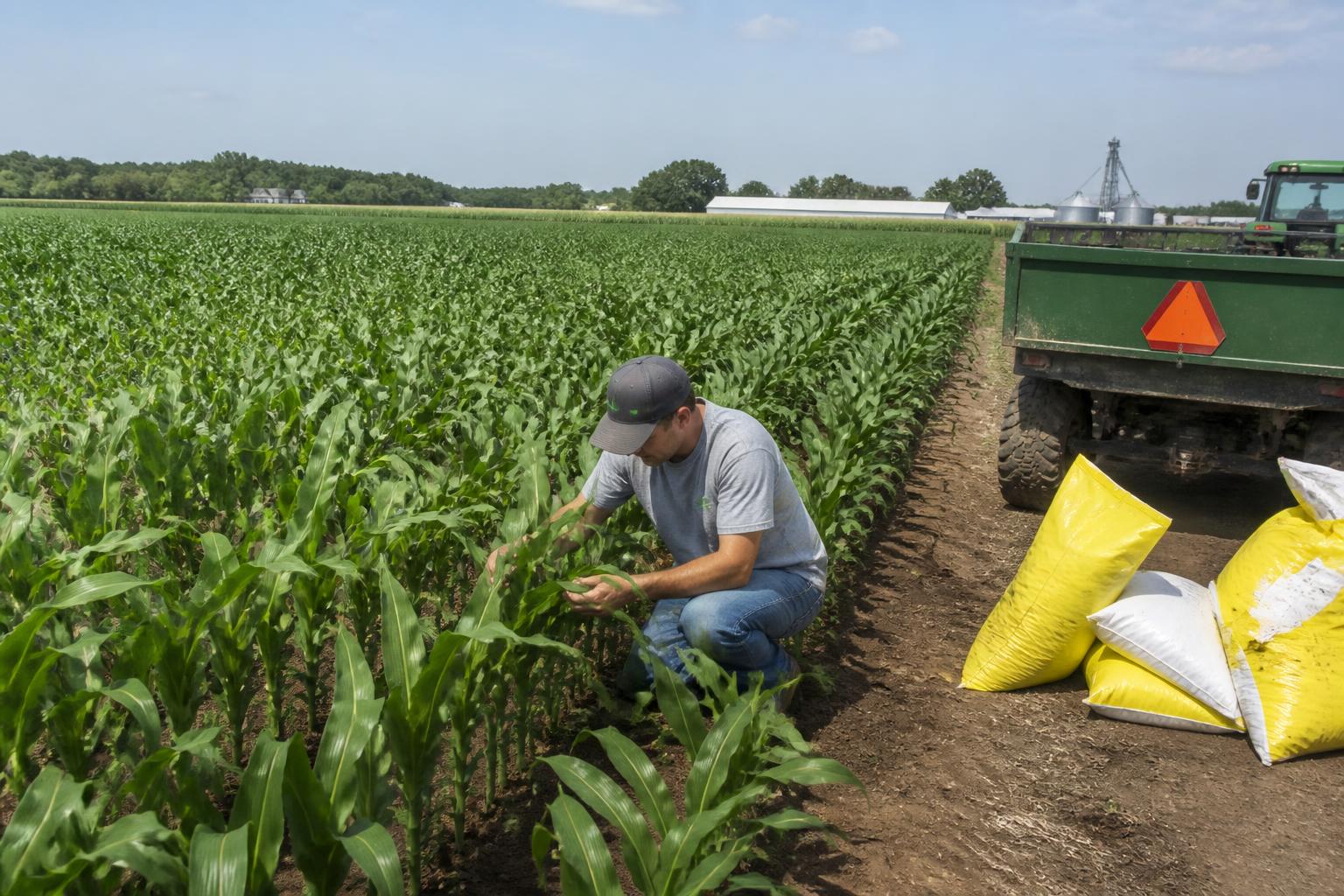
Rhode Island growers are heading into the peak summer season navigating a complex web of volatile retail fertilizer prices, shifting federal support, and strict coastal nutrient regulations. For diversified farms across counties like Newport, Washington, and Providence, managing input costs has become a critical balancing act as global supply chains continue to fluctuate. Recent market indicators reveal a divided landscape, with some retail fertilizer indexes showing sudden price hikes while broader agricultural reports suggest temporary downward trends.
In this challenging climate, local agricultural operations are increasingly forced to maximize efficiency. Navigating these economic realities requires a deep understanding of retail pricing dynamics, domestic production shifts, and regional conservation policies that protect the state's fragile coastal watersheds.
Navigating Retail Price Volatility and Production Cuts
Nationwide retail fertilizer tracking reveals persistent volatility, with key nutrients experiencing sudden upward shifts even as broader seasonal projections hint at temporary relief. This market instability is further complicated by major domestic production changes. For instance, production cuts by major corporations like Mosaic have drawn scrutiny from federal agricultural officials, raising concerns about artificial supply constraints. For Rhode Island farmers sourcing inputs from regional distributors, these supply adjustments translate to unpredictable retail pricing at a time when crop nutrition demands are at their summer peak.
Furthermore, federal efforts to expand domestic production have seen mixed success. Independent analyses of the USDA fertilizer grant programs indicate that these initiatives have had a limited impact on overall national production capacity. This means that growers cannot rely solely on federal supply expansion to drive down costs in the near term. To learn more about managing these economic headwinds during the high-demand months, growers can review the Rhode Island grain and agritourism summer management guide for valuable strategic insights.
Doing More with Less Amid Funding Constraints
Local growers in Southern New England are also adapting to broader shifts in agricultural support. Bipartisan legislative efforts are underway to restore federal funding cuts that have left regional farmers with fewer resources. In Rhode Island, where small-scale, high-value specialty crops dominate the landscape, these funding gaps require growers to carefully target every pound of nitrogen, phosphorus, and potassium.
Adhering to strict environmental standards, such as those overseen by the Rhode Island Department of Environmental Management, remains paramount. Protecting local estuaries and Narragansett Bay from agricultural runoff requires careful calibration of fertilizers. Implementing precise soil testing and split-application methods not only protects local water quality but also serves as a critical cost-saving measure during periods of high input pricing. For details on how local operations are balancing these ecological mandates with soil health, refer to the Rhode Island summer ag outlook.
Practical Strategies for Rhode Island Growers
With logistics and transportation costs also subject to seasonal summer congestion, securing local inputs efficiently is crucial. Key strategies for Rhode Island agribusinesses include:
- Pre-booking and volume sharing: Collaborating with neighboring farms to aggregate fertilizer orders can help secure volume discounts and lower freight costs.
- Utilizing alternative organic inputs: Integrating compost, cover crop residues, and local organic waste can reduce reliance on commercial synthetic fertilizers.
- Precision nutrient management: Utilizing leaf-tissue testing and soil sensors to apply fertilizers only when and where crops need them most.
Integrating these practices helps mitigate the risks associated with volatile commercial markets while ensuring compliance with state produce safety guidelines.
What it means for the market
For Rhode Island's agricultural sector, the current summer market demands extreme vigilance regarding input purchasing. While global supply chains and corporate production shifts continue to drive retail price volatility, local growers can stabilize their operations by focusing on nutrient efficiency, local resource sharing, and proactive planning. As the industry faces ongoing legal, political, and economic shifts, the ability to optimize fertilizer applications will remain a primary driver of farm profitability and environmental compliance throughout the Ocean State.
Comments
No comments yet - be the first to share your take.