
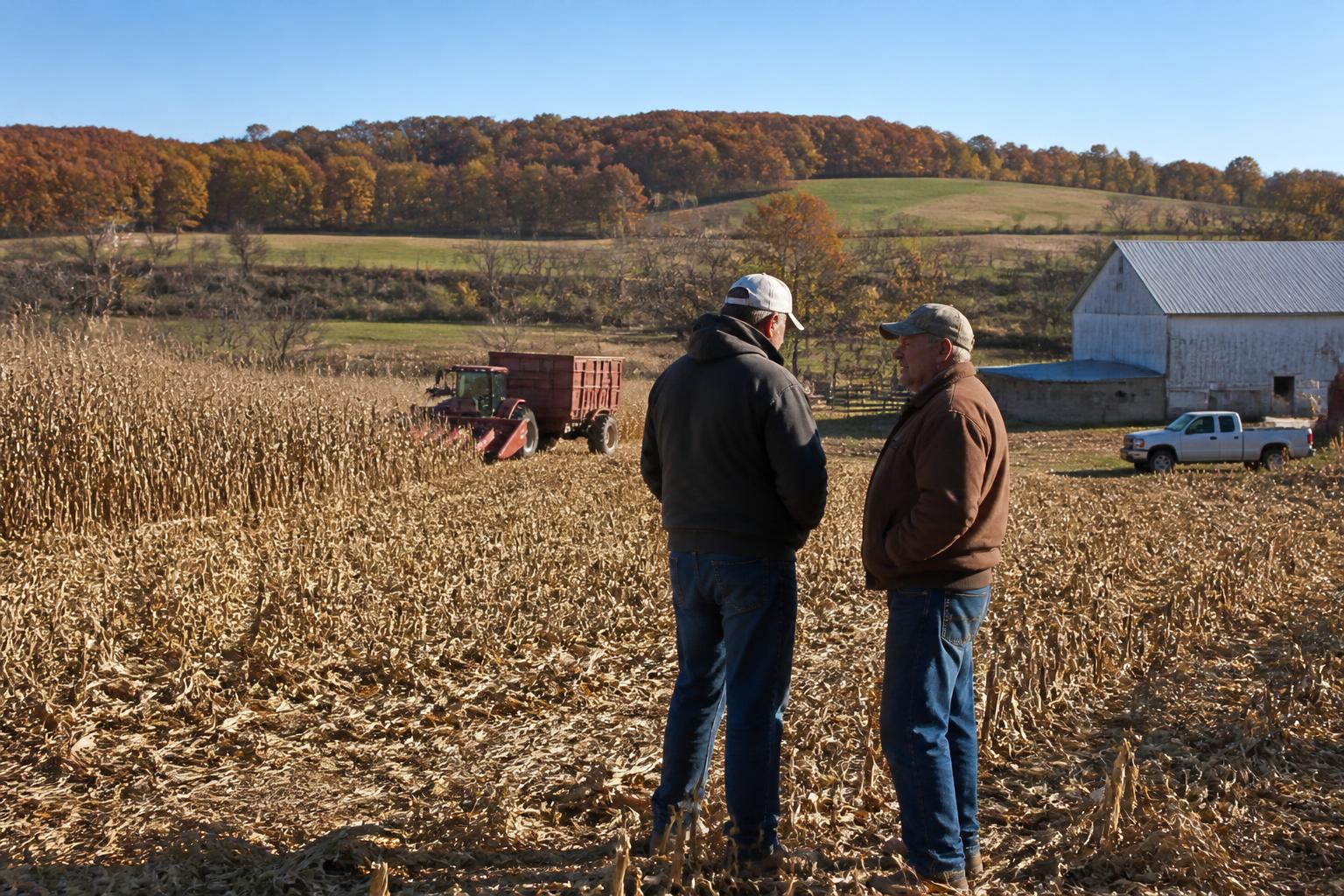
As Pennsylvania moves deeper into the fall season, the state's agricultural sector is navigating a period of significant structural and policy-driven transition. With new leadership recently appointed within the Pennsylvania Farm Bureau, stakeholders are sharpening their focus on long-term advocacy, particularly regarding the labor challenges that continue to impact local farms and processing facilities.
Agricultural business leaders across the state are increasingly emphasizing the need for comprehensive immigration reform to stabilize the workforce. This labor uncertainty, coupled with ongoing discussions regarding potential state-level bans on specific pesticides containing PFAS chemicals, has created a complex environment for producers and input suppliers. These regulatory shifts may impact operational strategies for the upcoming seasons as growers balance environmental stewardship with the need for effective crop protection tools.
Aligning Research with Regional Production
Investment in agricultural research remains a critical pillar for the commonwealth. Recent initiatives, such as the allocation of federal specialty crop funds to the College of Agricultural Sciences, aim to bolster regional production capabilities. This type of research support is essential for maintaining Pennsylvania's competitive edge in diverse crop markets, especially as producers navigate late-season volatility and prepare for future planting cycles.
Building Operational Resilience
Beyond legislative and research developments, the focus for many agribusinesses remains on logistics and resource management. Whether it is navigating grant applications for infrastructure improvements or adjusting procurement strategies in response to shifting global grain price estimates, the ability to pivot is vital. As we close out the year, coordination between local elevators, carriers, and farm operations will be a defining factor in how efficiently the state manages its year-end agricultural output.
What it means for the market
For farmers and agribusiness operators, the combination of leadership changes and active policy debate suggests a need for increased engagement with state-level advocacy groups. Market participants should monitor potential regulatory shifts regarding crop inputs, as these may carry long-term cost implications. Maintaining flexible logistical planning will be key to absorbing the impacts of ongoing labor challenges as the industry looks toward the next growing season.
Comments
No comments yet - be the first to share your take.