
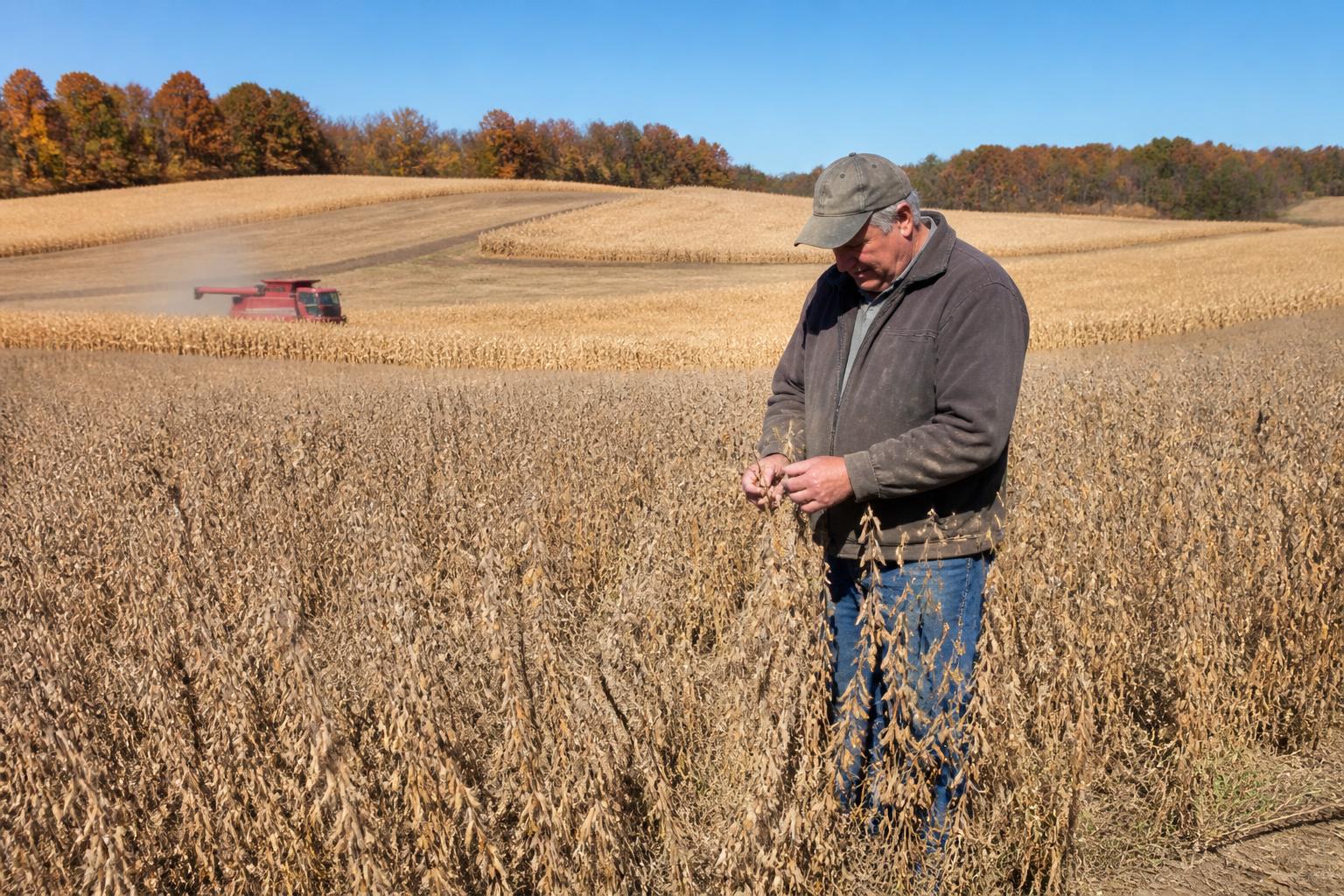
With the 2026 harvest largely in the rearview mirror, Indiana producers are reflecting on a season defined by notable productivity. Some operations have reported record-setting soybean yields, providing a much-needed boost after a period of intense financial pressure. As the focus shifts toward planning for the next cycle, managing input costs and administrative decisions remains a top priority for agribusinesses across the state.
For many, the current market climate highlights the need for strategic planning regarding risk management programs. As farmers navigate 2027 margin pressures, re-evaluating federal program elections like ARC or PLC has become a central component of late-season preparation. Making the right choice now can be the difference in stability during volatile pricing periods.
Legislative and Logistical Updates
Administrative leadership in the state is also seeing changes that may impact rural development and agricultural policy. The appointment of new committee leadership in the Indiana House of Representatives serves as a reminder of the evolving regulatory environment. Local stakeholders are keeping a close watch on how these leadership shifts might influence future state-level agricultural support and resource allocation.
Beyond policy, infrastructure and supply chain constraints continue to influence the bottom line. Discussions around logistics and fuel costs remain frequent, particularly as producers assess market pressures following the heavy activity of the fall months. While waivers and grants—such as those debated regarding fertilizer access—offer some temporary relief, the long-term impact on local input costs remains a point of active analysis for grain handlers and producers alike.
What it means for the market
The transition from a high-yield harvest into the planning phase of the next season requires a dual focus on operational efficiency and policy literacy. For Indiana farmers, the combination of record yields and shifting federal guidance suggests that this winter will be a critical period for re-evaluating long-term financial strategies and supply chain dependencies to ensure readiness for the year ahead.
Comments
No comments yet - be the first to share your take.