
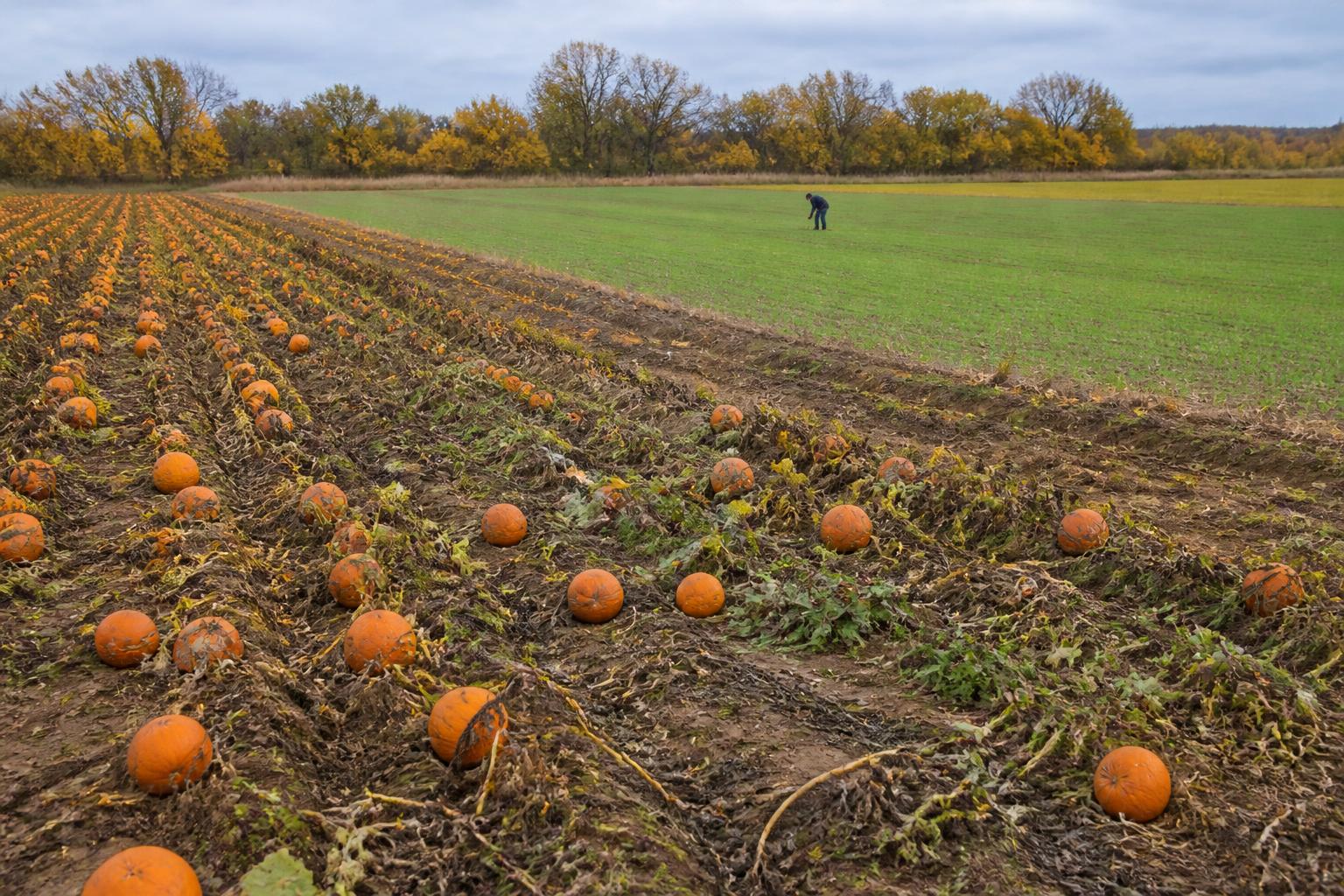
The 2026 harvest season across North Dakota is drawing to a close, leaving producers with a complex picture of spring wheat and durum yields. Reports indicate a mixed bag regarding both grain quality and volume, challenging farmers to recalibrate their storage and marketing strategies as the cold sets in.
As field work winds down, attention is shifting toward the critical administrative tasks that define the winter months. With program deadlines for ARC-PLC elections looming in early December, agribusinesses and farmers are prioritizing their financial positioning to ensure compliance and maximize potential support. These decisions are particularly vital this year as regional markets navigate the broader headwinds of fluctuating U.S. agricultural export performance.
Managing Market Volatility and Logistics
Logistics remain a cornerstone of local operational success, especially as winter road conditions approach. The stability of fuel costs, particularly for diesel, continues to influence the cost-to-serve for both grain handlers and transport providers. While harvest-related heavy machinery traffic subsides, local elevators remain focused on maintaining efficient outflow to ensure capacity for incoming grain shipments.
Policy and Innovation in the Northern Plains
Beyond immediate logistical concerns, the broader policy environment remains a point of intense focus. Advocacy for a robust, functional Farm Bill continues to gain traction, with many producers emphasizing the need for legislation that directly supports the operational realities of family-scale farming in states like North Dakota. Meanwhile, ongoing discussions regarding environmental regulations, such as potential adjustments to nitrate standards, suggest that producers may face a changing landscape for input management in the coming years.
What it means for the market
For North Dakota agribusinesses and grain handlers, the focus is now split between post-harvest cleanup and fiscal preparation. Managing the mixed-quality yields from this season requires precise storage management, while the impending program deadlines provide a narrow window for producers to lock in their risk management strategies. Those who can navigate these late-fall administrative hurdles while keeping an eye on long-term export trends will be better positioned to manage inventory effectively heading into 2027.
Comments
No comments yet - be the first to share your take.