
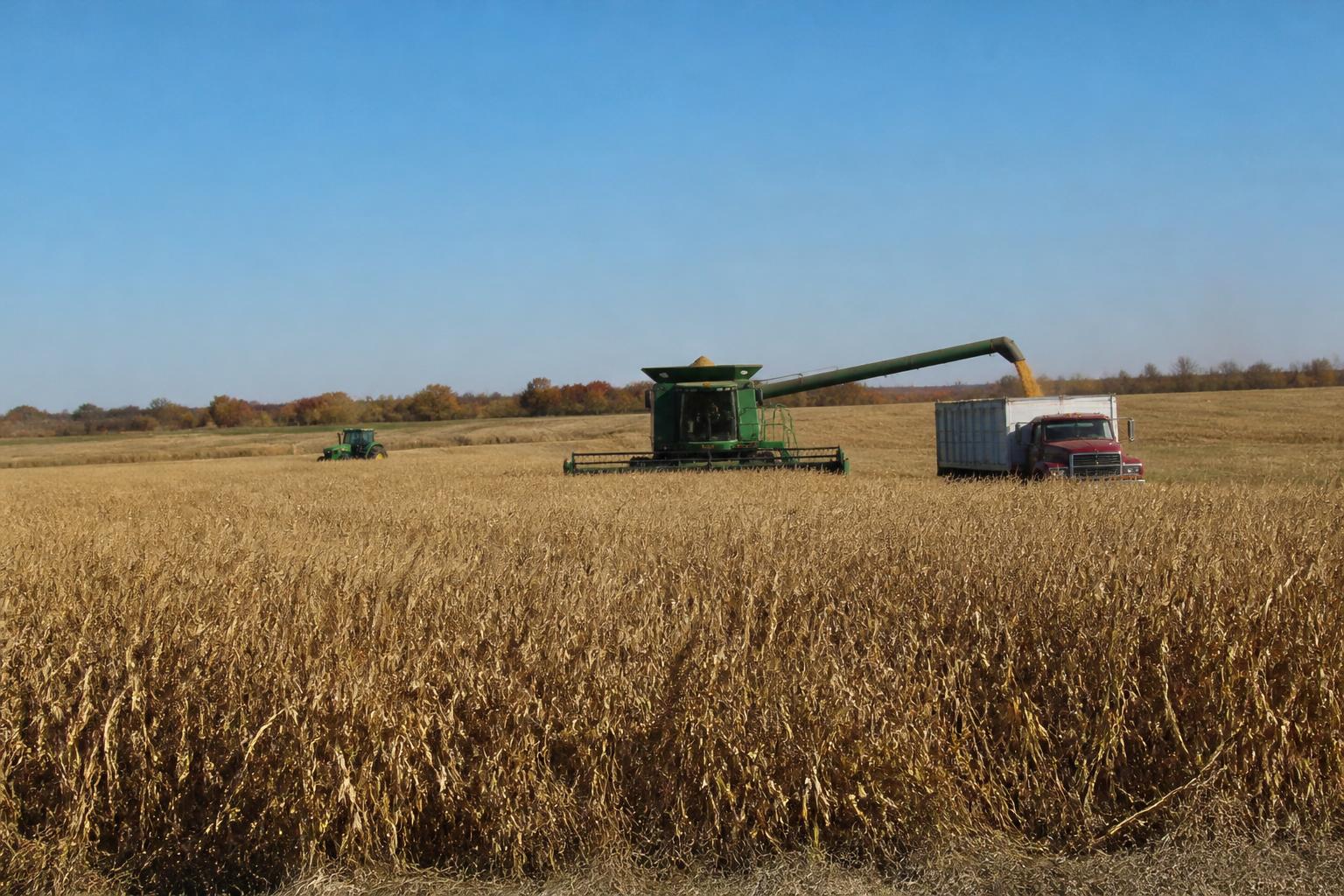
Oklahoma's agricultural landscape, anchored by its storied wheat tradition in regions like Kingfisher, remains at a critical intersection of weather volatility and fiscal management. As we navigate the fall season, producers are keeping a close watch on shifting climate patterns, which remain a primary variable in early-stage crop development and overall field management. This environmental uncertainty is compounded by the persistent weight of production expenses, particularly as input prices for the upcoming seasons continue to demand tight fiscal oversight.
Input Costs and Budgetary Realities
For many across the state, the focus has shifted toward the bottom line as current fertilizer costs place significant pressure on long-term production budgets. The need for precise navigating of price volatility is more vital than ever, as farmers evaluate their risk exposure against potential yields. These financial hurdles often lead to heightened scrutiny of data management, as growers prioritize protecting their proprietary operational insights to maintain a competitive edge in an increasingly tight margin environment.
Infrastructure and Regional Logistics
Efficiency in the supply chain remains a priority for local elevators and grain handlers. Whether managing winter wheat stocks or preparing for broader storage requirements, infrastructure stability is a consistent theme across Oklahoma's rural corridors. Understanding the local grain market dynamics allows participants to better manage the physical flow of commodities, ensuring that logistics do not become a bottleneck when price windows open or close unexpectedly.
Proactive Management for Future Yields
While the broader agricultural community adapts to federal initiatives, such as new herd retention programs, grain producers are primarily focused on field readiness. Recent changes in weather patterns have been welcomed in some areas, offering a reprieve that many hope will provide a stronger foundation for next year's crop. Regardless of the regional challenges, the ability to maintain consistent field logistics during the winter wheat cycle remains the defining factor for success.
What it means for the market
Producers should expect continued scrutiny of their operational budgets, with fertilizer procurement and moisture monitoring taking center stage. For carriers and handlers, staying aligned with regional storage capabilities and crop progress updates is essential to navigating the current harvest environment effectively.
Comments
No comments yet - be the first to share your take.