
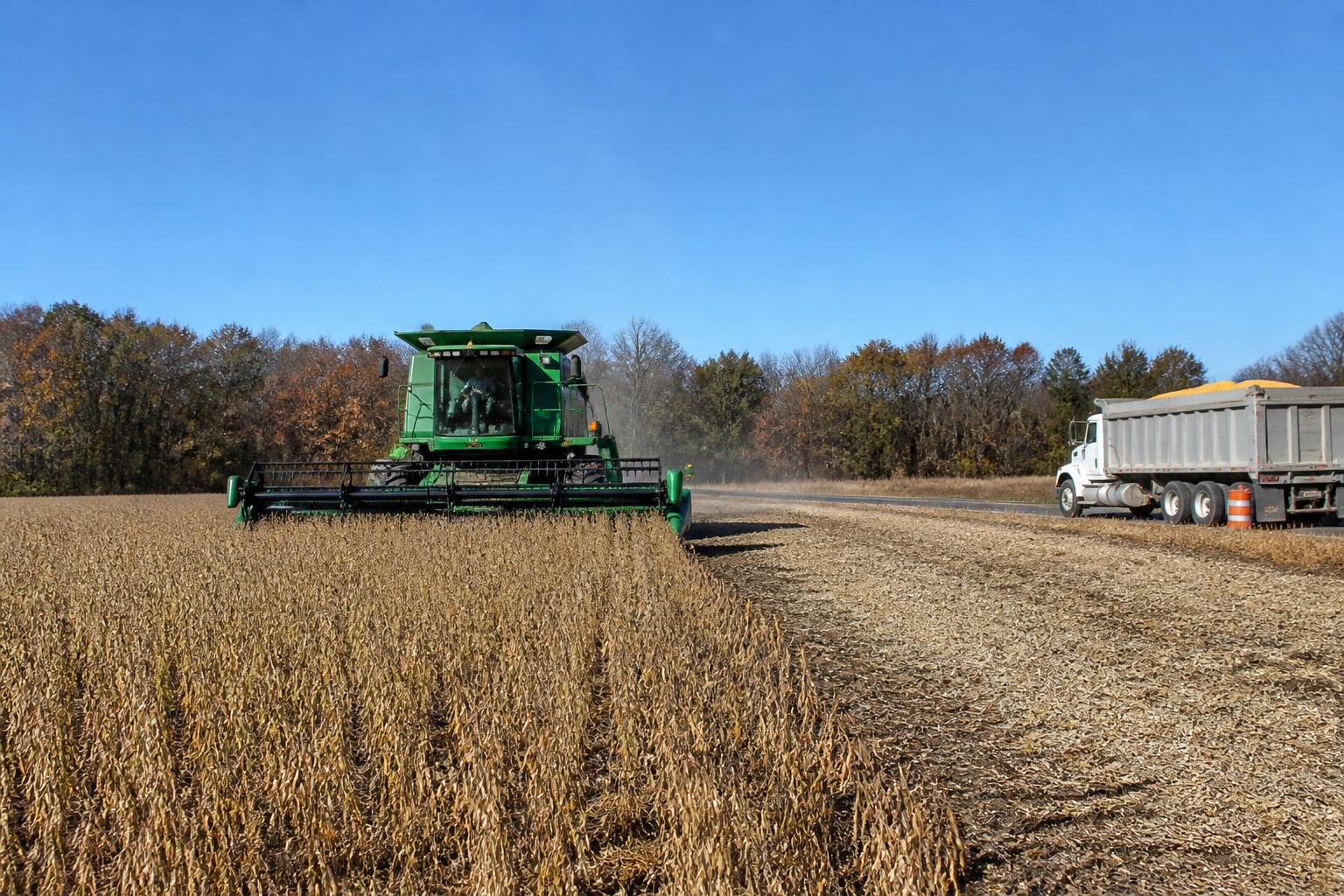
With the autumn harvest season well underway, North Carolina's agribusiness sector remains in a period of high logistical activity. As producers move grain from the field to local elevators, maintaining safe transit is essential for all operators, from farm managers to independent carriers. Recent localized transportation disruptions, such as temporary highway closures following accidental spills, highlight the importance of vigilance when navigating major corridors like US 74.
Managing Seasonal Logistical Pressures
For grain handlers and trucking operations, the fall period typically involves a condensed timeline for moving inventory. Efficient grain market logistics are vital to preventing storage bottlenecks at regional facilities. While harvest progress continues, maintaining equipment and planning routes around high-traffic areas can help mitigate the risks of transit-related delays that frequently complicate post-harvest delivery schedules.
Regional Market Updates
Beyond the primary grain sector, producers in the state are navigating various market signals. Insights into regional market pressures and logistics indicate a mixed outlook as businesses reconcile seasonal demand with ongoing supply chain variables. Agribusinesses are also keeping an eye on broader commodity trends, which have recently faced downward pressure, impacting profit margins across several categories of agricultural production.
What it means for the market
For farmers and elevator operators, the immediate focus remains on finishing harvest operations safely and effectively. As the season progresses, market participants should prioritize communication with downstream buyers to ensure that limited transportation capacity is utilized efficiently. By keeping a close watch on regional transit conditions and maintaining flexible delivery windows, local agribusinesses can better navigate the logistical complexities inherent in this time of year.
Comments
No comments yet - be the first to share your take.