
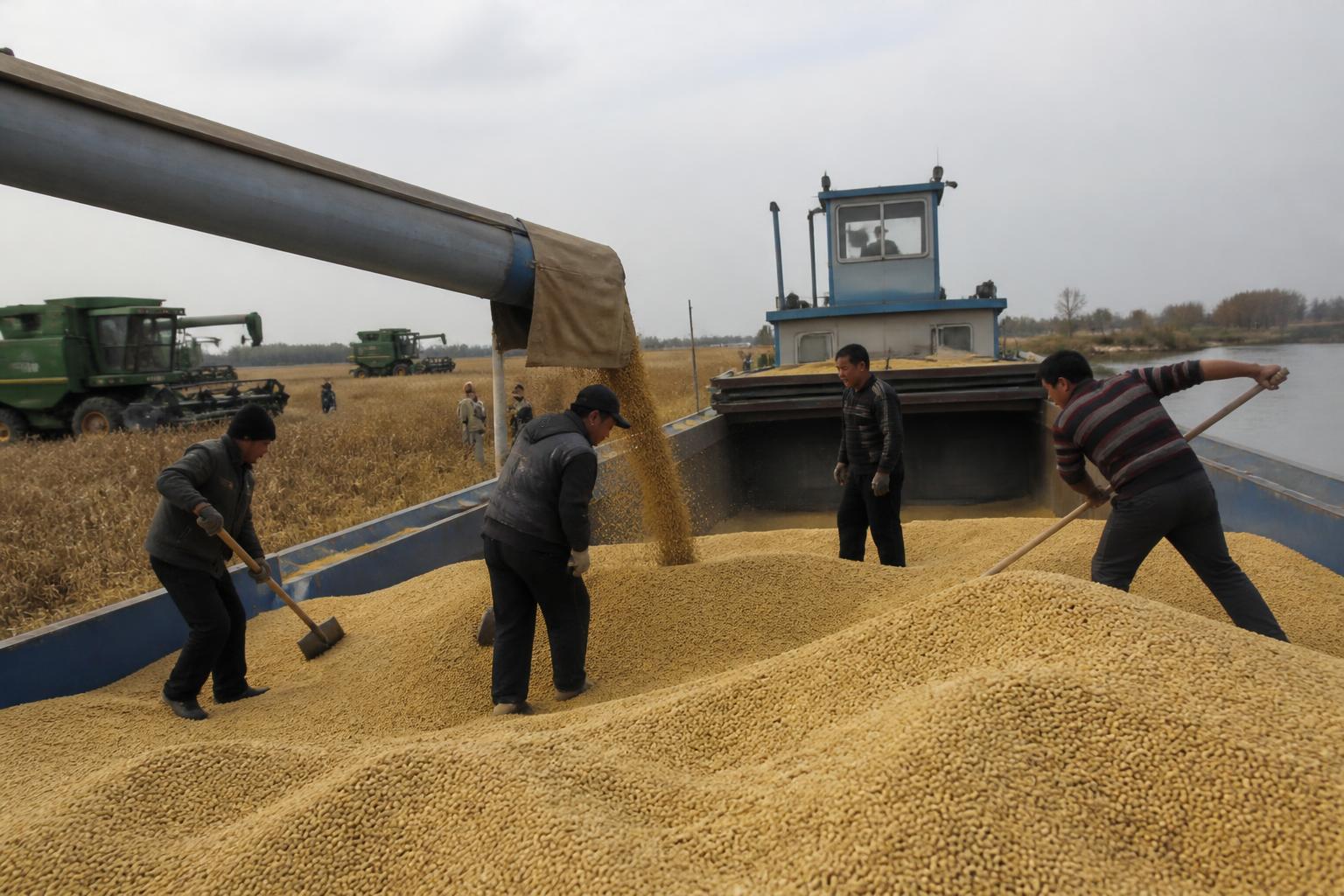
Managing Regional Flow and Transport Dynamics
As we navigate through the fall season, Georgia producers and grain handlers are closely monitoring the flow of commodities across state corridors. While global trade news often captures international headlines, the immediate reality for local agribusinesses involves the day-to-day coordination of moving crops from field to storage and toward regional transport hubs. Maintaining efficient logistics is vital as seasonal pressure builds on our local infrastructure.
Understanding the interplay between local output and larger transport networks is essential for optimizing supply chains. For those working in Georgia agricultural logistics, recognizing how barge volumes and road constraints affect grain movement can provide a competitive edge. Even with high-level industry statistics fluctuating, local operators should prioritize localized assessments of their immediate shipping lanes.
The Intersection of Infrastructure and Efficiency
Reliable logistics are the backbone of a successful season, and as market conditions shift, the need for proactive communication between carriers and elevator managers becomes even more critical. Staying ahead of potential bottlenecks in areas like south Georgia or the coastal corridors often requires early planning and a clear understanding of regional capacity.
Producers are encouraged to revisit their transport strategy, especially as logistical adjustments continue to shape grain movement late in the year. Whether you are dealing with local mill demand or coordinating larger outbound shipments, the ability to pivot when transport availability changes can mitigate the impact of seasonal volatility.
Looking Ahead: Strategic Planning for Georgia Producers
Effective resource management remains a constant focus for the industry. By focusing on site-specific logistical needs—such as identifying bottlenecks before they escalate—agribusinesses can better insulate their operations. It is worth keeping up with the latest trends in grain transport to better forecast how regional market health may influence your bottom line as we move closer to the end of the year.
What it means for the market
For Georgia farmers and logistics providers, the current market climate underscores the importance of local supply chain resilience. While international developments are noteworthy, success at the local level will likely depend on monitoring regional transport capacity, maintaining strong relationships with local freight carriers, and anticipating potential seasonal shifts in logistics availability throughout the late fall period.
Comments
No comments yet - be the first to share your take.