
Rising Logistics Pressures on Wheat Exports
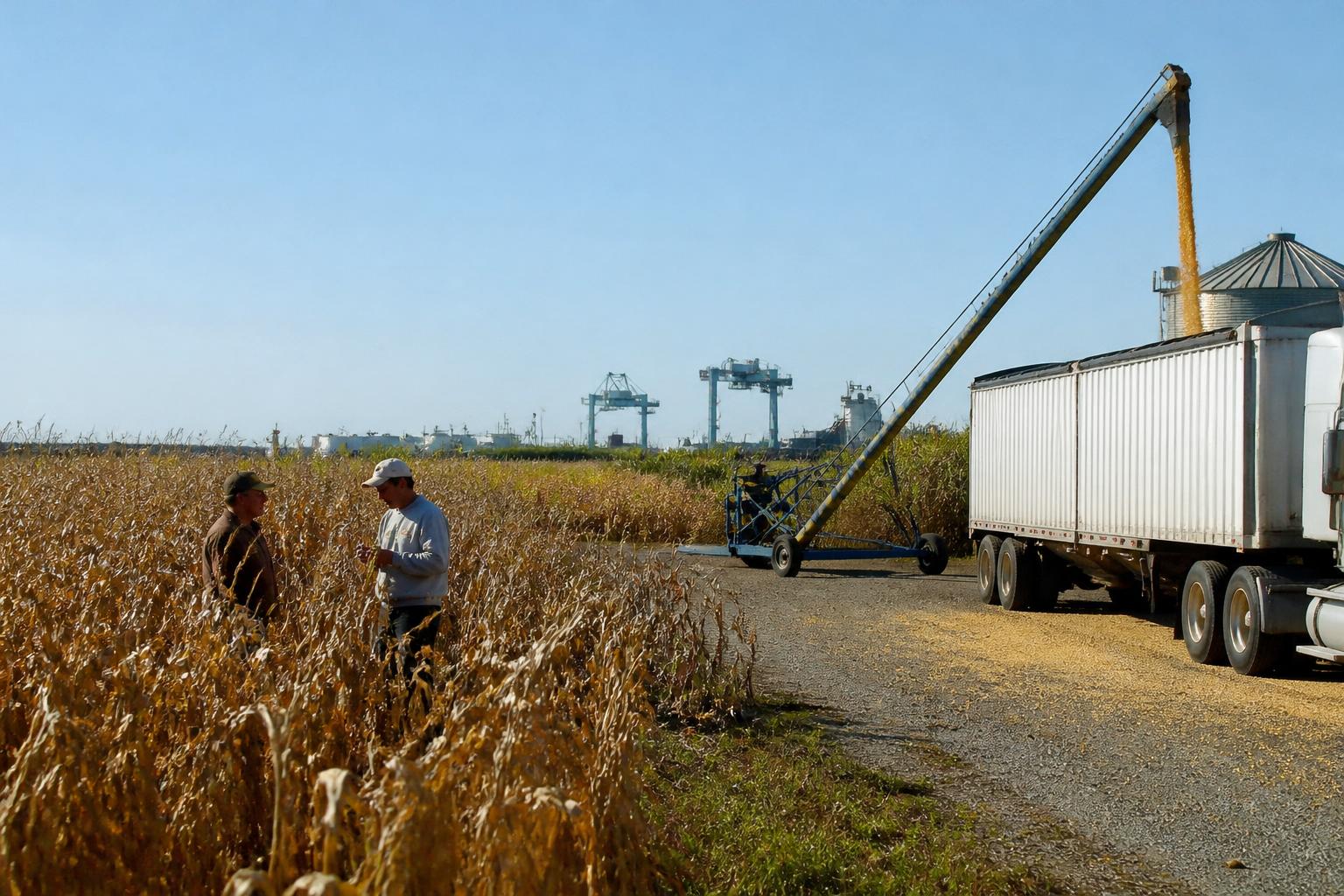
As we move deeper into November, the U.S. wheat sector is navigating a challenging landscape marked by rising transportation costs. Recent data highlights that the cost of moving domestic wheat to export terminals has ticked upward during the third quarter. These elevated freight rates, coupled with broader farm value adjustments, are directly impacting the landed cost of U.S. grain, forcing producers and handlers to reconsider their margins as they navigate a complex global export environment.
Understanding Market Positioning
The latest CFTC Commitment of Traders (COT) report for mid-November offers a glimpse into how market participants are positioning themselves. With traders adjusting their outlook on major commodities, including corn and sugar, the ripple effects are often felt throughout the broader grain complex. For farmers and elevator managers, staying attuned to these shifts is vital, especially when planning for fall market volatility and optimizing storage capacity.
Global Competition and Infrastructure
The U.S. wheat industry does not operate in a vacuum, and international developments continue to influence our local market competitiveness. While some regions are seeing investments in port infrastructure to streamline grain movement, other global players are actively expanding their export footprints, including notable increases in regional trade volumes by countries like Kazakhstan. For domestic stakeholders, these global shifts underscore the necessity of maintaining efficient logistics networks. Whether navigating regional transport bottlenecks or managing seasonal grain flow, the ability to control landed costs remains a primary differentiator for profitability.
What it means for the market
Producers should prepare for continued margin compression if freight rates remain elevated. The current market environment suggests that focus should remain on disciplined cost management and strategic timing for grain movement. As export competition intensifies, the advantage will likely go to those who can maintain flexibility in their logistics chain and respond quickly to shifting pricing signals in the commodity futures markets.
Comments
No comments yet - be the first to share your take.