
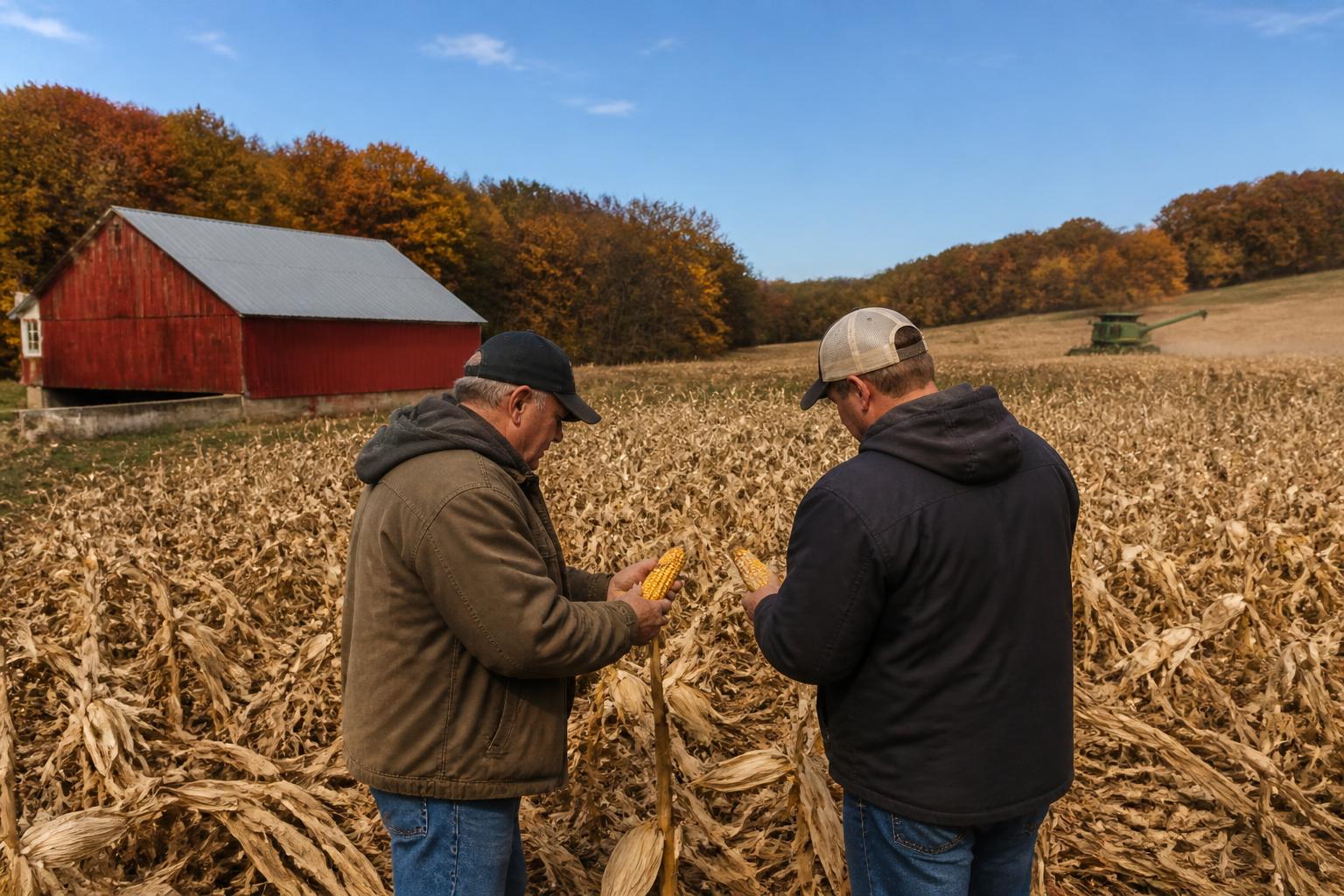
As the fall harvest season moves toward completion across Missouri, producers are transitioning from the field to long-term financial planning. With the industry reporting a substantial $121 billion annual economic impact, the focus for many local agribusinesses and grain handlers is now squarely on navigating market variables and evaluating the results of the season's output.
For those managing grain storage strategies, the current phase involves balancing inventory against shifting regional demand. While field activities are winding down in key corridors, the data collected during this period remains essential for refining production models heading into the next fiscal cycle. Producers are increasingly looking at ways to integrate these insights to better position their operations against ongoing market volatility.
Evaluating Regional Economic Resilience
The strength of Missouri agriculture is often tied to the efficiency of its regional supply chains and the ability of producers to adapt to localized challenges. From the northern grain-producing counties to the diverse operations throughout the state, maintaining high-value output is critical for sustained growth. Keeping a close watch on local grain market fluctuations can provide the necessary edge when deciding between immediate delivery or holding for future price windows.
Furthermore, as the state's agricultural industry continues to evolve, many are reassessing their 2027 budget and planning needs. This period of quiet in the fields is an ideal window to review grain logistics and market outlooks to ensure that upcoming input purchases align with expected revenue trends.
What it means for the market
With harvest progress largely concluding, the immediate market pressure shifts toward inventory management and financial consolidation. For Missouri producers, the current environment necessitates a proactive approach to budget planning and a clear understanding of the broader economic factors influencing the bottom line. Success in the coming months will likely depend on how effectively individual operations can leverage current storage capacity and interpret shifting market signals to protect margins.
Comments
No comments yet - be the first to share your take.