
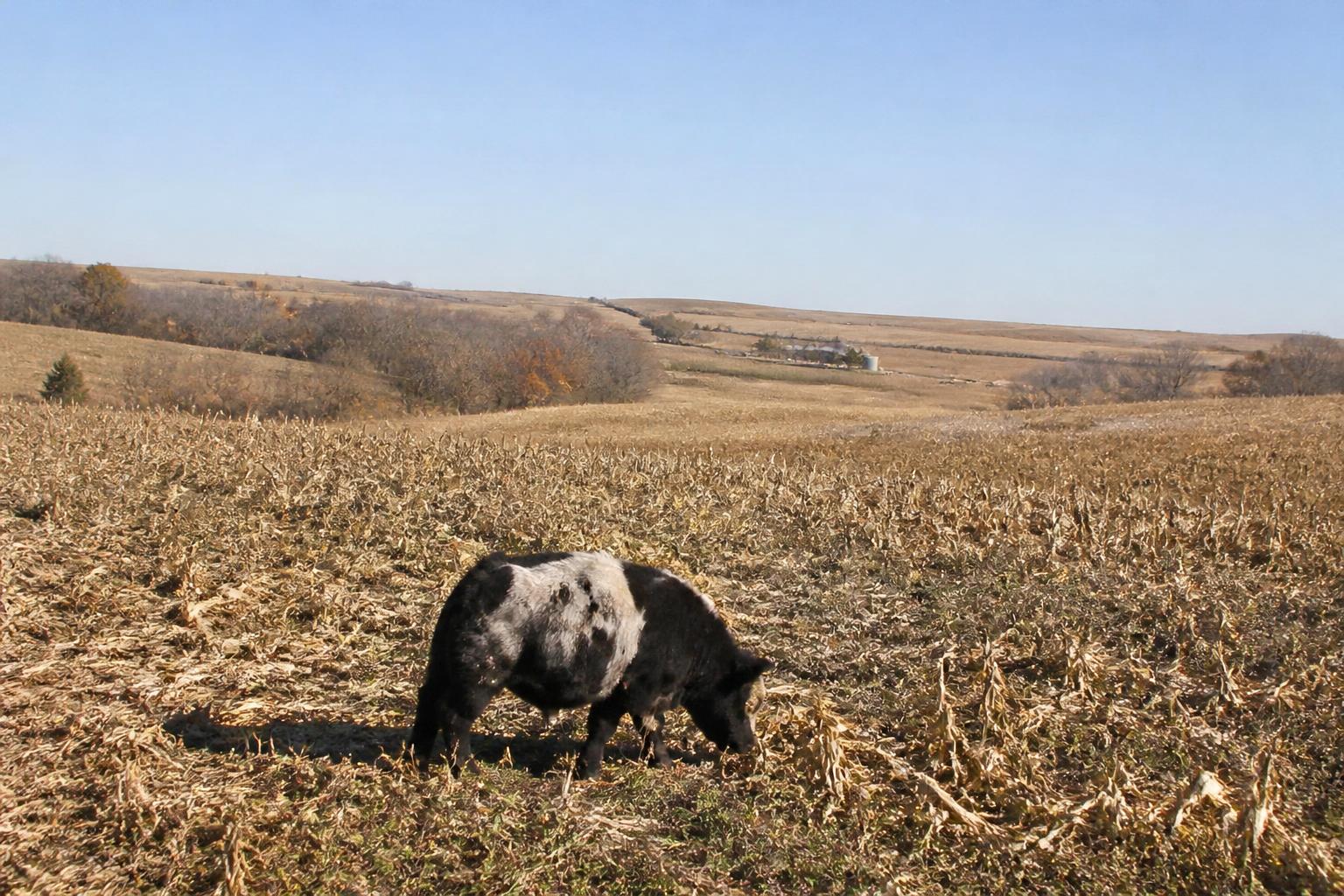
With the autumn harvest cycle largely behind us in Kansas, the state's agricultural sector is transitioning into a period of strategic assessment and logistics planning. Producers across the region are now turning their attention toward year-end financial reviews and preparing for the upcoming growing season, while keeping a close eye on the broader shifts in grain market profitability that continue to define the current economic landscape.
Infrastructure and Logistical Focus
Beyond the field, transportation remains a critical topic for Kansas agribusinesses. Recent community discussions led by the Kansas Department of Transportation regarding upgrades to the U.S. 50 corridor underscore the importance of local infrastructure to the movement of commodities. For grain handlers and elevators, efficient road networks are essential for maintaining supply chain flow, especially as businesses look toward potential expansion in processing and carbon capture facilities within the state.
Strategic Planning for 2027
As farmers evaluate their input needs for the next cycle, the focus is increasingly on resource management and long-term viability. Opportunities for professional development, such as upcoming regional programming regarding sorghum, provide essential platforms for producers to discuss best practices and market outlooks. These educational sessions are often vital for navigating the volatility seen in the grain and livestock futures markets throughout the year.
What it means for the market: For Kansas growers and handlers, the current environment demands a blend of operational efficiency and cautious planning. With harvest concluded, the focus shifts to optimizing logistics through improved infrastructure and leveraging market data to hedge against uncertainty. Staying engaged with local industry programs and monitoring legislative improvements to transit corridors will be key for maintaining a competitive edge in the coming months.
Comments
No comments yet - be the first to share your take.