
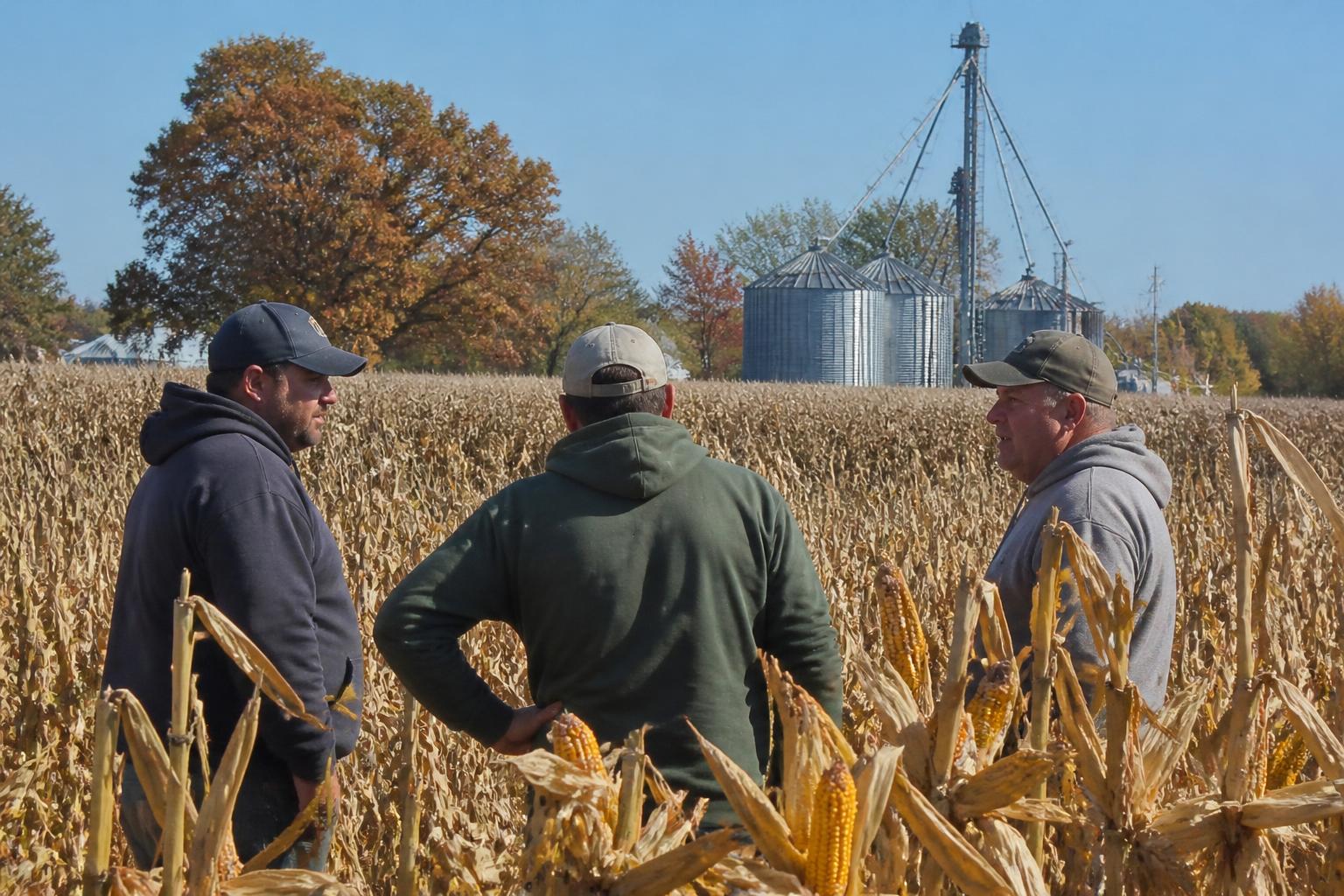
As we approach the end of November, the grain markets are exhibiting a period of pronounced hesitation. While market participants are looking for a spark to initiate a price rally, selling interest from producers remains notably thin. Many growers appear content to store their recent harvest rather than move supply into the current market, contributing to a quiet trading environment heading into the holiday window.
This reluctance to sell comes as the sector grapples with mixed signals. While soybeans have shown recent signs of resilience, wheat and corn continue to navigate a more challenging path. With the 2026 harvest largely in the books, the focus has shifted from yield reports to logistics, export competitiveness, and long-term storage strategy.
Global Factors Influencing Local Decisions
For those monitoring the wheat sector, the market outlook remains complicated by international variables. Producers are keeping a close watch on Black Sea export activity and the shifting demand patterns from China, both of which serve as major wild cards for future pricing. Closer to home, operational costs such as diesel prices remain a significant concern for producers looking to manage their margins, especially when considering the potential for increased planted acres in the coming cycle. Understanding these global pressures is essential as growers evaluate their 2027 market outlook and adjust their risk management strategies accordingly.
Looking Ahead: The Storage Advantage
The decision to hold grain is rarely made in a vacuum. Storage capacity often dictates the flow of commodities to the elevator, and with current price signals offering little incentive for immediate liquidation, on-farm storage continues to be a vital tool. This capacity allows producers to ride out short-term volatility, waiting for more favorable market conditions or a potential shift in the global supply-demand balance.
Ultimately, the market is currently in a defensive posture. Traders are attempting to find a firm footing, but without a significant shift in producer selling behavior or a major external catalyst, prices may remain in a holding pattern for the immediate future.
What it means for the market
For agribusinesses and elevators, the current light volume means prioritizing maintenance and infrastructure readiness while waiting for producers to re-enter the market. Farmers who have managed to secure storage have the flexibility to wait for better price discovery, while those facing space constraints may need to monitor local basis closely for potential opportunities during the slower holiday period.
Comments
No comments yet - be the first to share your take.