
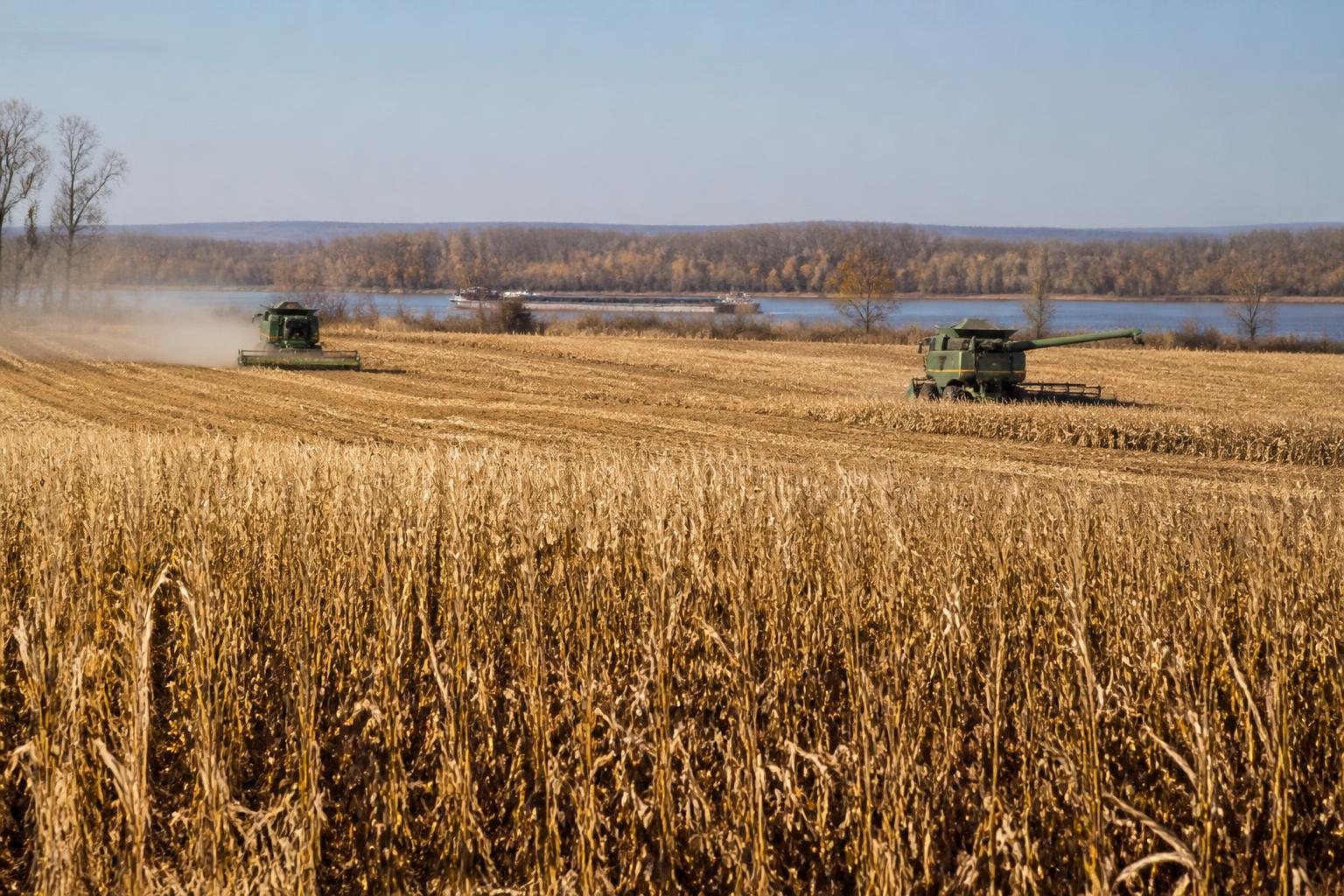
As the fall harvest season concludes across Washington, producers and grain handlers are turning their focus toward the efficient movement of crops through regional supply chains. Maintaining a consistent flow from rural elevators to major export terminals is essential for meeting current market demand, especially as global export competition intensifies.
For many operators, navigating the interplay between rail and barge transit remains a primary concern. The ability to manage downstream volumes effectively often dictates the pace at which interior facilities can clear storage space for incoming yields. As logistical networks face ongoing pressure, optimized grain logistics continue to be a vital factor for Washington agribusinesses aiming to remain competitive in a landscape defined by shifting trade flows.
Infrastructure and Operational Maintenance
Beyond the immediate logistics of moving grain, the state's broader agricultural infrastructure is seeing targeted investments aimed at long-term resilience. Upgrades to municipal systems and utility corridors, such as those occurring in the vicinity of industrial and agricultural processing zones, play a quiet but significant role in supporting the facilities that grain must pass through. Consistent utility service and road integrity are foundational for the heavy trucking activity that defines rural grain movement during the post-harvest period.
Managing Risk and Regulatory Transitions
The current agricultural climate also requires close attention to external factors, including potential disruptions to administrative and financial support systems. Reports of technical outages in federal loan software highlight the importance of maintaining robust, independent risk management strategies. As farmers evaluate their financial position for the upcoming cycle, ensuring that digital and administrative backups are in place can help mitigate the impact of unforeseen system limitations.
What it means for the market: For Washington grain handlers, the focus for the remainder of the year is on maintaining reliable throughput to the coast. With logistical bottlenecks an ever-present risk, producers who prioritize efficient coordination with their preferred elevators and transport partners will be best positioned to capitalize on export opportunities as the market continues to evolve.
Comments
No comments yet - be the first to share your take.