
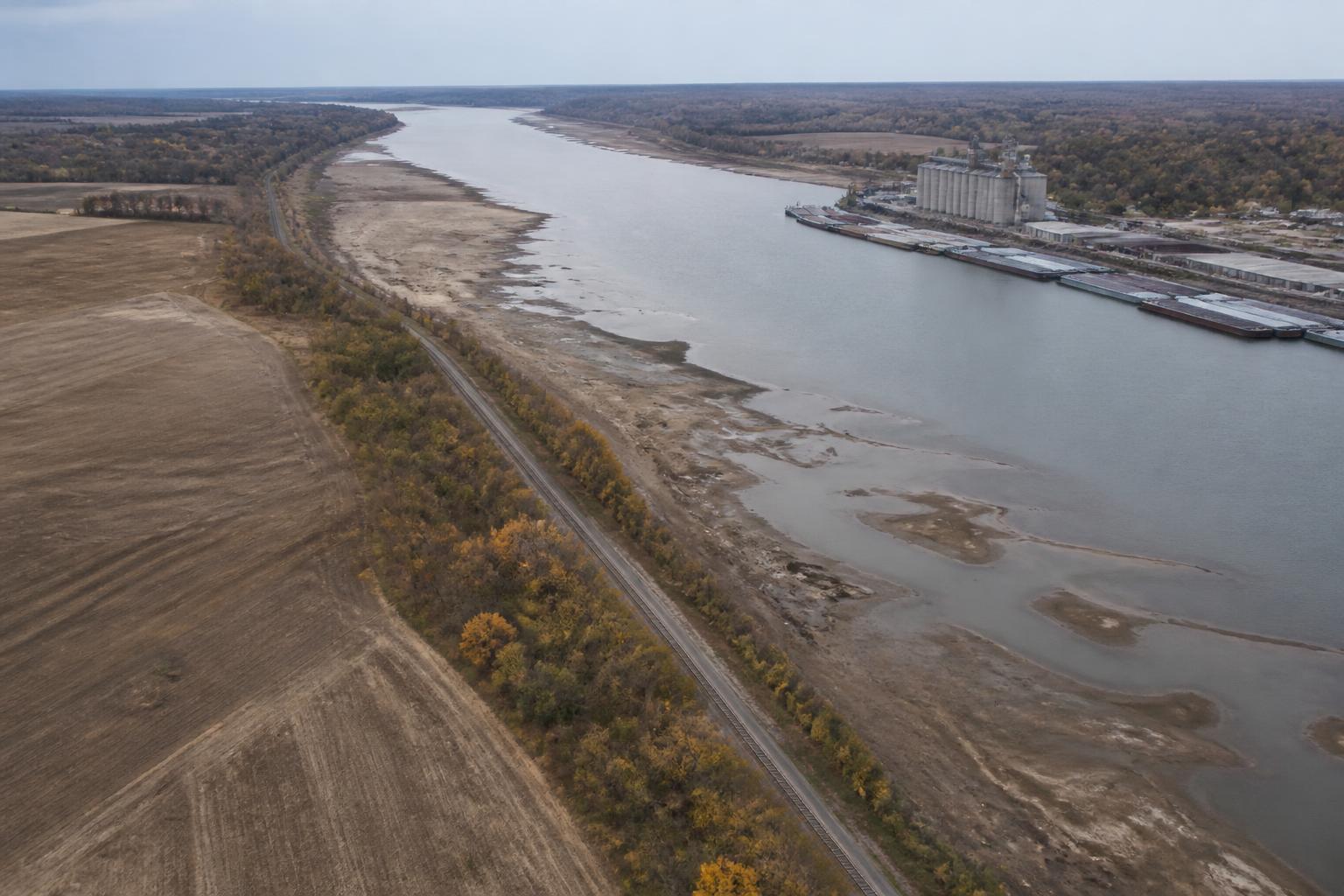
As we navigate the tail end of the fall harvest in Mississippi, producers and grain handlers are facing a familiar but intensifying hurdle: the shrinking capacity of the Mississippi River as a reliable transport artery. Widespread drought conditions now impacting a significant majority of the river basin are complicating water levels, which typically forces stricter draft restrictions on commercial vessels and slows the movement of grain toward downstream export terminals.
The logistical strain is not solely a result of water levels. Industry observers note a broader trend of barge fleet contraction, which is creating a compounding effect on supply chain efficiency. For Mississippi agribusinesses, this means that even when harvest volumes meet expectations, getting that product to the Gulf Coast remains a complex, high-stakes operation. Reliable grain transit and local market logistics are essential, yet current conditions suggest that transport premiums may remain a factor for the foreseeable future.
Navigating Infrastructure and Fleet Challenges
The convergence of low water and an aging barge fleet requires careful coordination. When river access is restricted, storage at elevators often fills up rapidly, pressuring regional basis levels. Many farmers in the Delta are increasingly looking toward rail and trucking alternatives to mitigate the risk of river-related delays. Understanding these market shifts and infrastructure nuances is critical for those managing grain inventory this season.
Furthermore, the maintenance of a robust transport network is vital, especially as regional output remains a cornerstone of the state economy. Whether dealing with short-term shipping bottlenecks or preparing for long-term storage, growers should keep a close watch on regional water gauges and downstream export throughput. Issues regarding an aging barge fleet and rising logistics hurdles emphasize the importance of diversification in your marketing strategy.
What it means for the market
For the Mississippi grain sector, the current environment points toward continued volatility in shipping costs and delivery timelines. Producers should prioritize localized storage where possible and maintain flexibility in their selling windows to avoid the peak costs associated with major logistical backups. Staying informed on regional river conditions will remain the primary tool for managing margin risk as the fall season transitions into winter.
Comments
No comments yet - be the first to share your take.