
Harvest Progress and Regional Variances
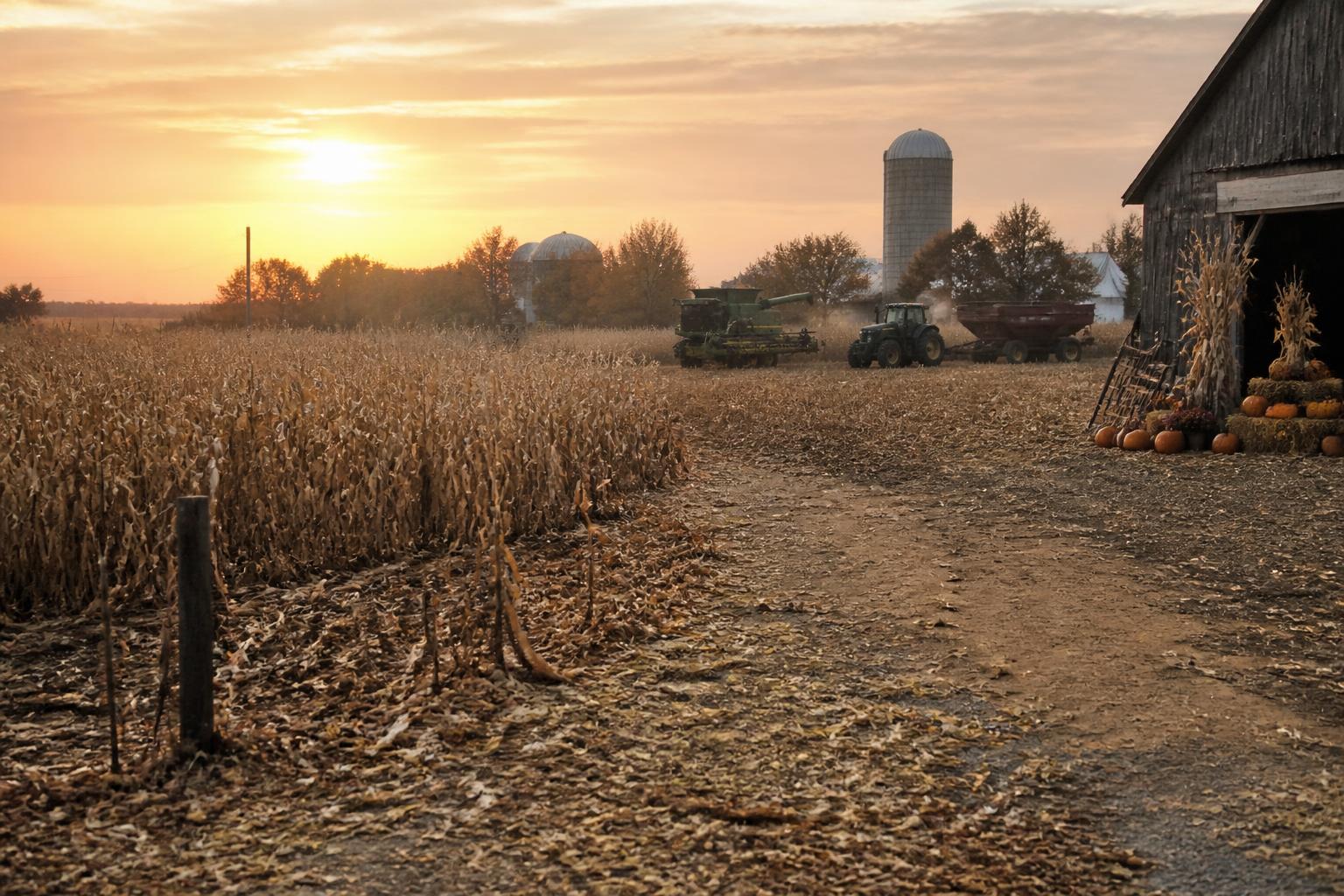
As the final days of November approach, the U.S. agricultural landscape is characterized by a mix of near-complete harvests and lingering field work. Across Missouri, soybean harvest has effectively reached its conclusion, while corn producers are nearing the finish line, keeping pace with historical averages. In contrast, producers in South Dakota continue to navigate a slower-than-average harvest pace for corn and sorghum, underscoring the regional variability that often complicates logistics and transportation planning during the late fall season.
Market Sentiment and Price Outlook
Grain markets have seen some movement recently, with corn and soybeans ticking higher as the U.S. dollar rally experienced a momentary pause. Market observers remain focused on international production variables, particularly in South America, where weather patterns continue to influence global supply expectations. While some growers are hopeful for a year-end price rally, the industry remains focused on balancing current inventory levels with upcoming planting preparations.
Planning for the 2027 Season
With much of the 2026 crop now entering storage or transit, attention has decisively shifted toward 2027 planning. For many, this means sharpening the pencil on input costs and evaluating land management strategies. As farmers finalize their reports and manage grain quality during these colder months, maintaining strict storage discipline is critical to preserving the value of the harvested crop throughout the winter.
What it means for the market
The transition from active harvest to input planning reflects the cyclical nature of the industry. With margins expected to remain tight, the focus for agribusinesses and producers alike will be on operational efficiency and risk management as they head into the new calendar year. Staying informed on market news remains a key component of navigating these variable conditions.
Comments
No comments yet - be the first to share your take.