
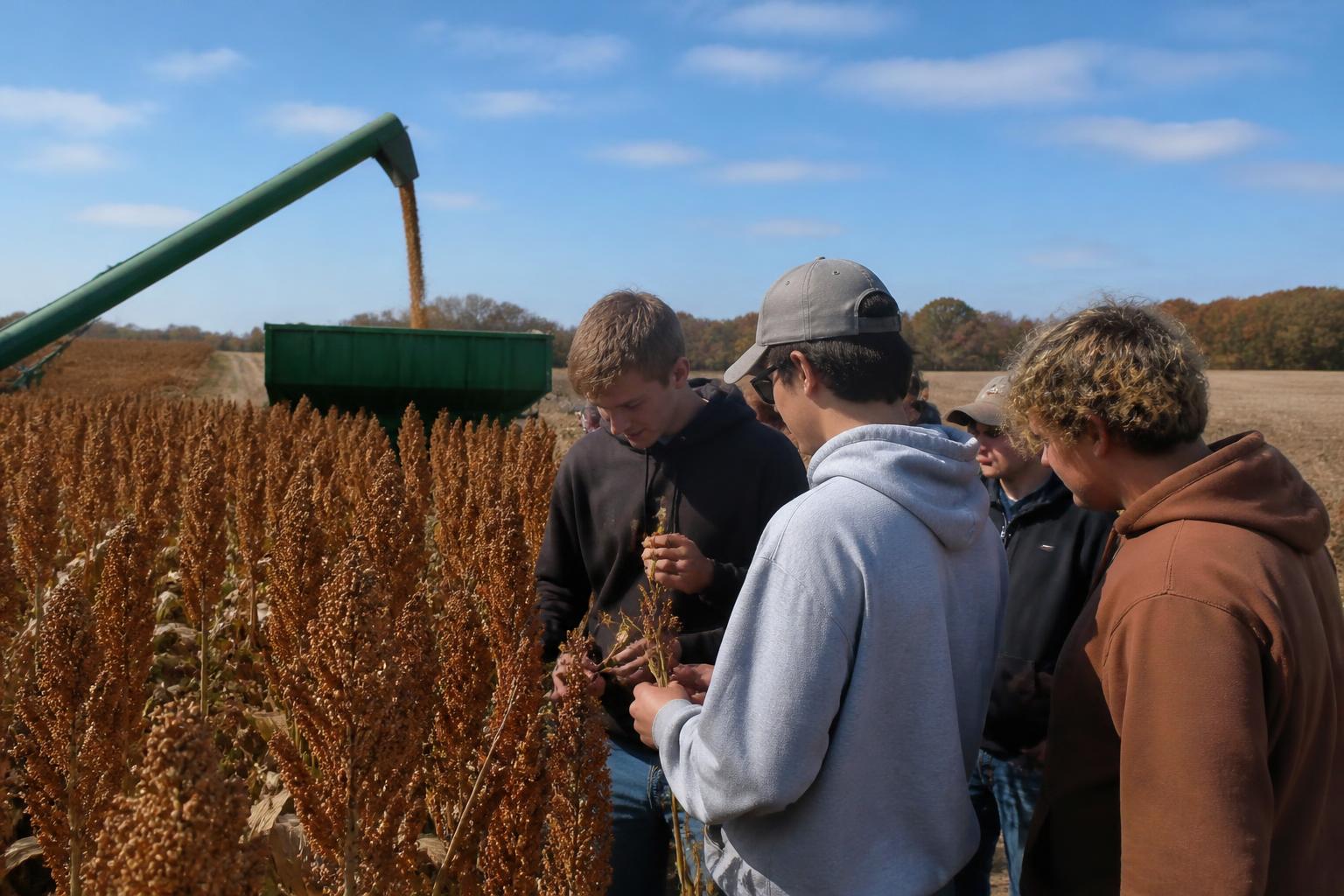
The Texas grain sector is wrapping up a complex fall season marked by significant regional disparities. While some producers in South Texas report surprisingly resilient harvests despite earlier dry planting conditions, others across the Texas Plains continue to face the substantial economic headwinds caused by persistent drought impacts on major crops like cotton. This bifurcation in yield performance underscores the ongoing challenges producers face when managing local grain market dynamics in an increasingly volatile climate.
Regional Performance and Market Observations
Grain markets are currently exhibiting a period of stabilization following recent national reports. Industry observers are looking beyond domestic borders, closely tracking developments in South American production to gauge potential shifts in global supply. For local elevators and grain handlers, the focus remains on navigating current inventory levels while preparing for the logistical demands often associated with the late-year transition.
Looking Ahead for Texas Producers
As the year-end approaches, agribusinesses are balancing operational planning with monitoring broader regulatory and risk management updates. Recent advocacy efforts have highlighted new, potential risk management avenues for cattle raisers, which may indirectly influence land-use decisions and feed demand in the coming seasons. Additionally, ongoing interest in agricultural innovation, such as advancements in hemp genetics, suggests that long-term acreage strategies for Texas farmers remain in a state of evolution.
What it means for the market
Market participants should prepare for continued regional price volatility as the industry digests the final results of the fall harvest. With domestic grain movement entering a seasonal lull, attention is expected to shift toward global production signals and the long-term impacts of regional drought on next season's input purchasing and planting intentions.
Comments
No comments yet - be the first to share your take.