
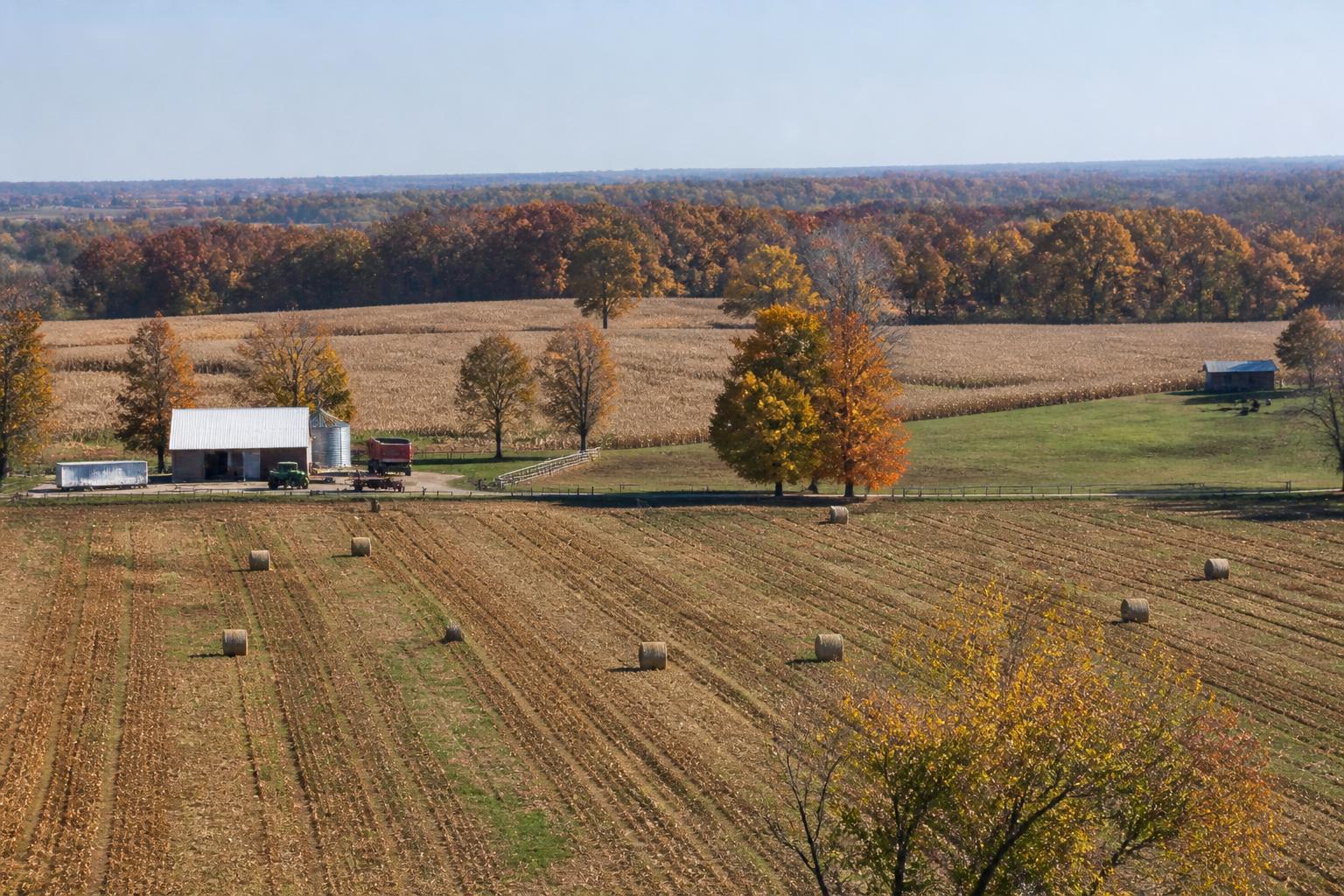
Active Land Auctions Across Indiana
As the Indiana agricultural sector transitions toward the close of the fall season, attention is shifting from harvest logistics to capital and land management. Recent activity in the state suggests a notable volume of land entering the market, with approximately 2,350 acres slated for auction this December. For grain handlers, producers, and local agribusinesses, this influx of available acreage serves as a barometer for regional land sentiment and potential structural changes in farming operations as we head into the winter months.
Evaluating Recent Benchmarks
Recent high-profile transactions, such as the sale of the 1,803-acre Polk Family farmland, continue to draw industry attention, with reported values reaching $36 million. These developments often spark conversations among producers about long-term asset positioning and the financial realities of modern, large-scale operations in Indiana. While these figures reflect specific, large-tract outcomes, they influence local expectations as stakeholders look to assess market pressures following the conclusion of the harvest.
Logistics and Market Resilience
Beyond individual auctions, the broader Indiana land market remains a critical component of regional stability. For those involved in inputs or commodity movement, understanding how land consolidation affects operational workflows is essential. Many growers are currently focused on optimizing nitrogen inputs and refining their financial strategy. As land changes hands, there may be shifts in local grain delivery patterns or changes in the demand for specific regional storage capacity, which are important factors to consider when planning for the upcoming season.
Key Takeaways
- Significant acreage in Indiana is entering the auction cycle as we approach year-end.
- Large-scale land transactions continue to provide important, albeit high-end, benchmarks for the state’s agricultural valuation.
- Producers are encouraged to monitor local land trends as they manage moisture and operational costs in the post-harvest environment.
What it means for the market
The current environment of land sales suggests that despite external economic pressures, the Indiana farmland market retains active interest from investors and producers alike. While high-value sales draw headlines, the cumulative effect of these auctions may alter regional land-use patterns. Stakeholders should remain diligent in monitoring how these structural shifts influence local competition for space and resource allocation in the coming year.
Comments
No comments yet - be the first to share your take.