
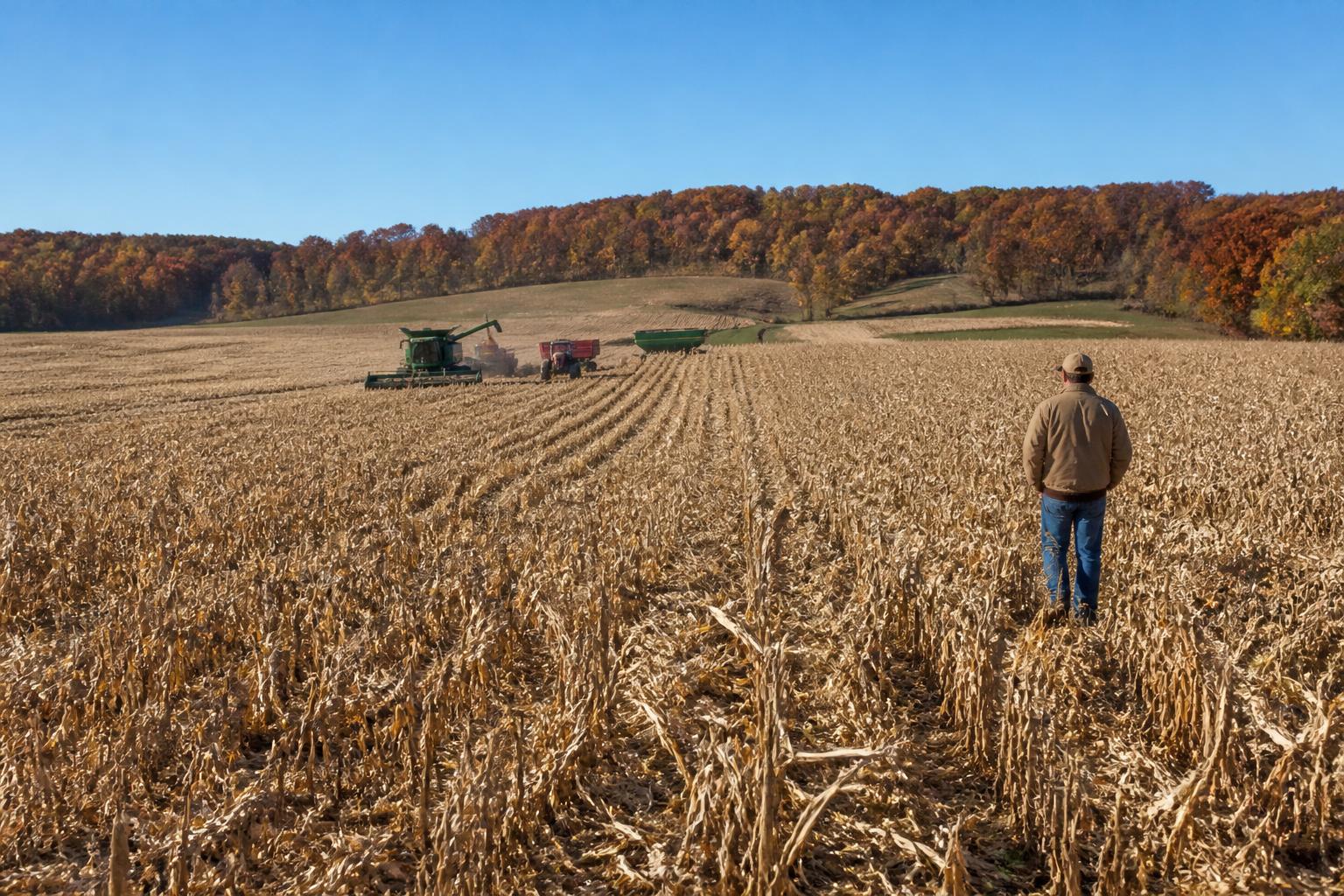
For Florida producers and agribusinesses, the fall season serves as a critical window for evaluating input strategies before the next major production cycle kicks into high gear. With supply chain dynamics often tightening, many growers are finding that planning ahead for essential crop protection and nutrient needs is no longer just a best practice, but a necessity to hedge against price volatility.
Understanding local constraints is essential for maintaining operational efficiency. From the drainage-heavy landscapes of the Everglades Agricultural Area to the specialized groves of central Florida, the logistical hurdles of moving inputs often coincide with regional environmental challenges. Recent patterns suggest that keeping a close watch on product availability is wise, especially as Florida crop protection outlook shifts under new regulatory and supply realignments.
Managing Input Costs and Availability
The market for fertilizers and crop protection chemicals remains sensitive to global shifts. For Florida farmers, who often rely on specialty formulations to manage unique pest pressures and soil conditions, the cost of waiting to secure these inputs can be significant. Market signals indicate that some essential products are becoming harder to source consistently, making early procurement a potential cost-saving measure.
Furthermore, sustainable stewardship continues to influence how producers approach their land. As Florida land protection initiatives gain traction, farmers are finding that integrating long-term soil health strategies with smart, cost-effective input application is becoming a standard for maintaining both profitability and regulatory compliance.
Logistics and Regional Stability
Moving goods across the state involves navigating a complex web of highway corridors and regional distribution centers. Whether dealing with seasonal rainfall impacts or simply optimizing transport routes, local agribusinesses benefit from maintaining diverse supply lines. Keeping inventory closer to the field, where possible, can help mitigate risks associated with transport delays or sudden shifts in regional demand.
What it means for the market: The current landscape suggests a move toward more disciplined inventory management. Growers who prioritize securing key inputs early and monitoring regional supply trends may find themselves in a stronger position to weather potential price spikes or shortages as the season progresses.
Comments
No comments yet - be the first to share your take.