
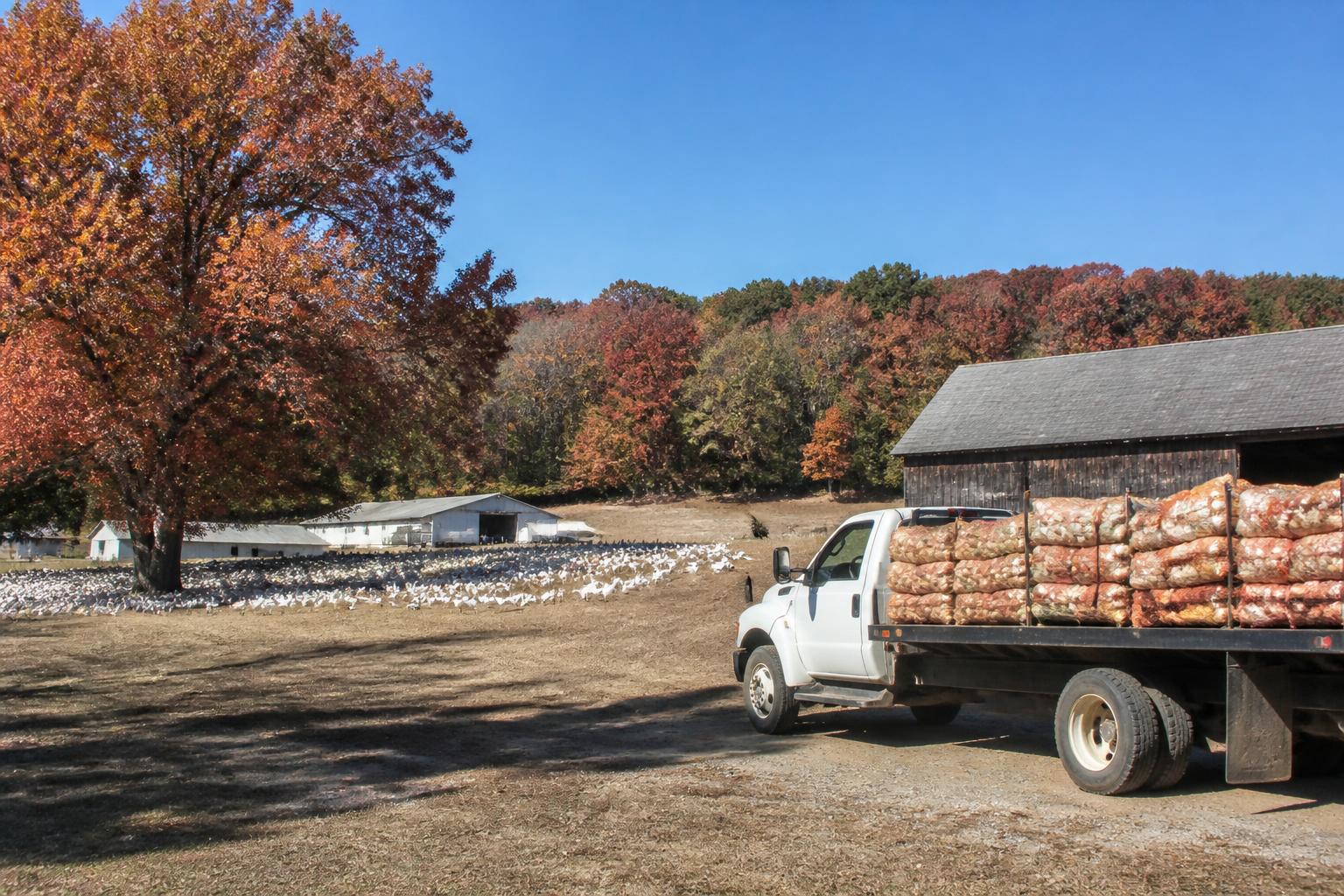
West Virginia's poultry industry is currently in the spotlight, reinforcing the state's reputation for quality production as local birds head to the national stage for the traditional Thanksgiving pardon. Beyond these ceremonial highlights, producers are keeping a close eye on the broader market, which has recently seen an uptick in broiler sets and placements. Understanding these national cycles is essential for local integrators and growers balancing operational capacity against shifting market signals.
Navigating Market Dynamics and Logistics
As we move through the fall season, managing production volume remains a primary focus for many operations. Increased placement rates often reflect long-term industry confidence but require careful resource management to maintain efficiency in cold-weather conditions. For West Virginia producers, particularly in the Potomac Highlands and surrounding agricultural hubs, logistics and biosecurity remain paramount to protecting the value of regional assets during this high-activity period.
Ensuring resilience in the poultry sector is not just about keeping pace with national supply trends; it is about local stewardship. Whether managing energy costs for heated housing or optimizing feed delivery routes across mountainous terrain, the ability to adapt to regional market fluctuations is what sustains West Virginia's competitiveness in the larger U.S. protein supply chain.
What it means for the market
For the West Virginia producer, the current increase in national broiler placements serves as a baseline indicator of market demand heading into the winter months. While local operations may face specific logistical challenges, maintaining a focus on efficient output and animal health helps secure the industry's stability. Stakeholders should continue to prioritize adaptive infrastructure and strategic resource planning to mitigate the impacts of seasonal volatility while leveraging the state's recognized agricultural strengths.
Comments
No comments yet - be the first to share your take.