
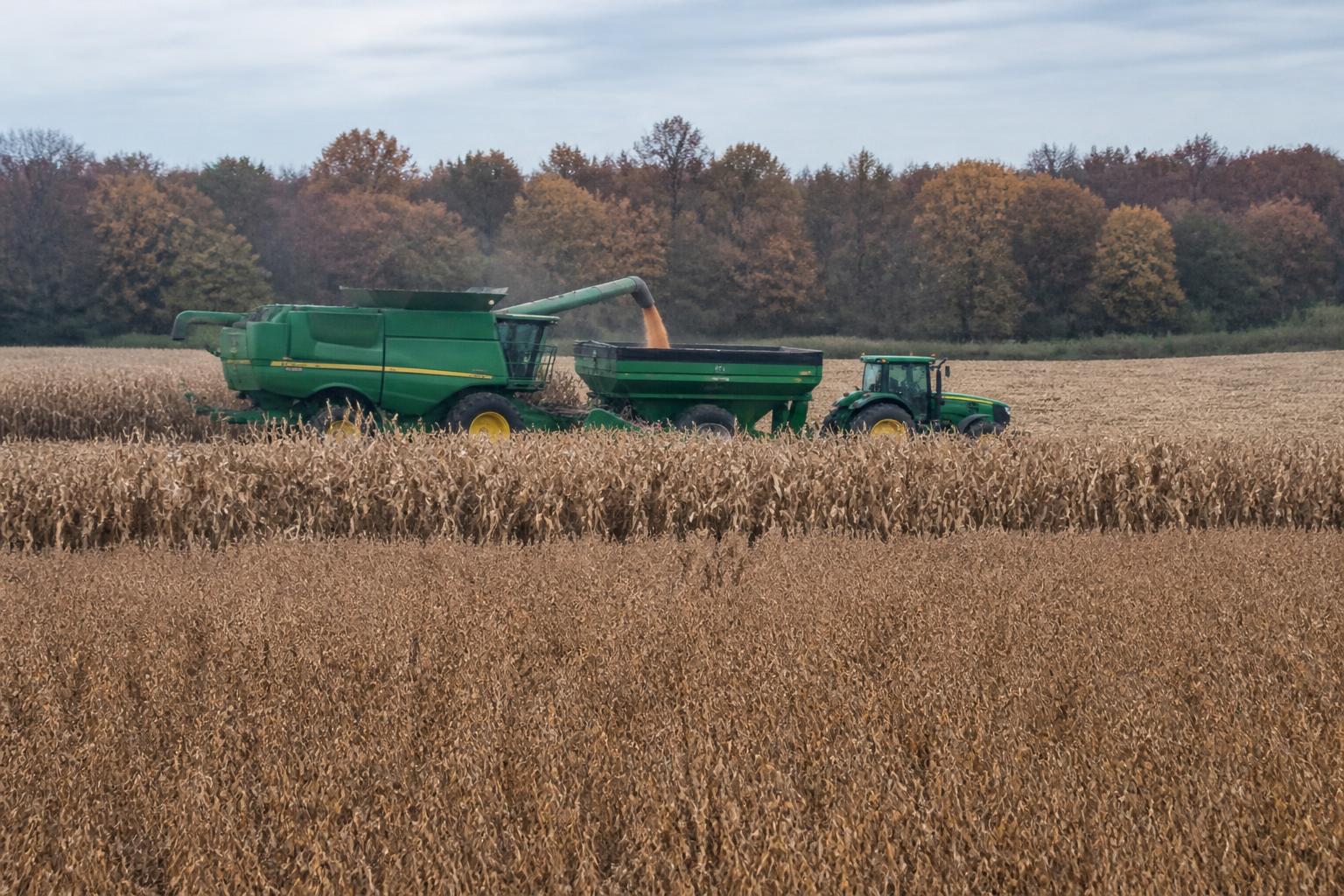
As the fall harvest season concludes across Washington, producers are shifting their focus toward long-term field protection and operational resilience. For many growers in the state, managing environmental stressors like excessive heat remains a primary concern for high-value orchard crops. Recent industry developments suggest that innovative approaches, such as agrivoltaic shading, are gaining traction as a practical tool to mitigate sunburn risks in apple production across various regional climates.
The integration of protective technology is not the only area of focus for Washington agribusinesses. As local producers navigate broader economic uncertainties, finding ways to optimize input efficiency is critical. For those managing specialty crops, exploring alternative biological inputs, such as extracts derived from invasive seaweeds, may provide a new avenue for addressing fungal infections in greenhouse environments, potentially reducing dependency on traditional chemical applications.
Aligning Logistics and Infrastructure
Efficient management of harvested inventory remains a consistent challenge as producers coordinate with regional transport networks. Understanding the nuances of downstream flow and terminal capacity is essential for maintaining margins during this period of market consolidation. As infrastructure evolves, staying informed on current capacity constraints helps in planning for smoother transport to major export gateways.
Building Resilience in a Complex Market
The agricultural sector in Washington often faces pressure from both domestic and international policy shifts. Growers are increasingly proactive in weighing protection strategies to safeguard their operations against unexpected volatility. Whether through structural field modifications or by diversifying input procurement, the goal remains the same: protecting yield potential while maintaining cost-effective operations in a highly competitive global environment.
Furthermore, as terminal activity fluctuates, the importance of navigating the complex regulatory environment cannot be overstated. Producers who prioritize long-term asset protection and stay updated on logistical trends are better positioned to weather the cyclical nature of the industry.
What it means for the market
The convergence of climate-adaptive technology and a focus on specialized input management indicates that Washington producers are prioritizing stability. By focusing on site-specific protections—from shading to advanced biologicals—growers are effectively managing risk. Maintaining awareness of logistical bottlenecks and policy shifts will continue to be a vital component of successful farm management as the sector prepares for the upcoming cycle.
Comments
No comments yet - be the first to share your take.