
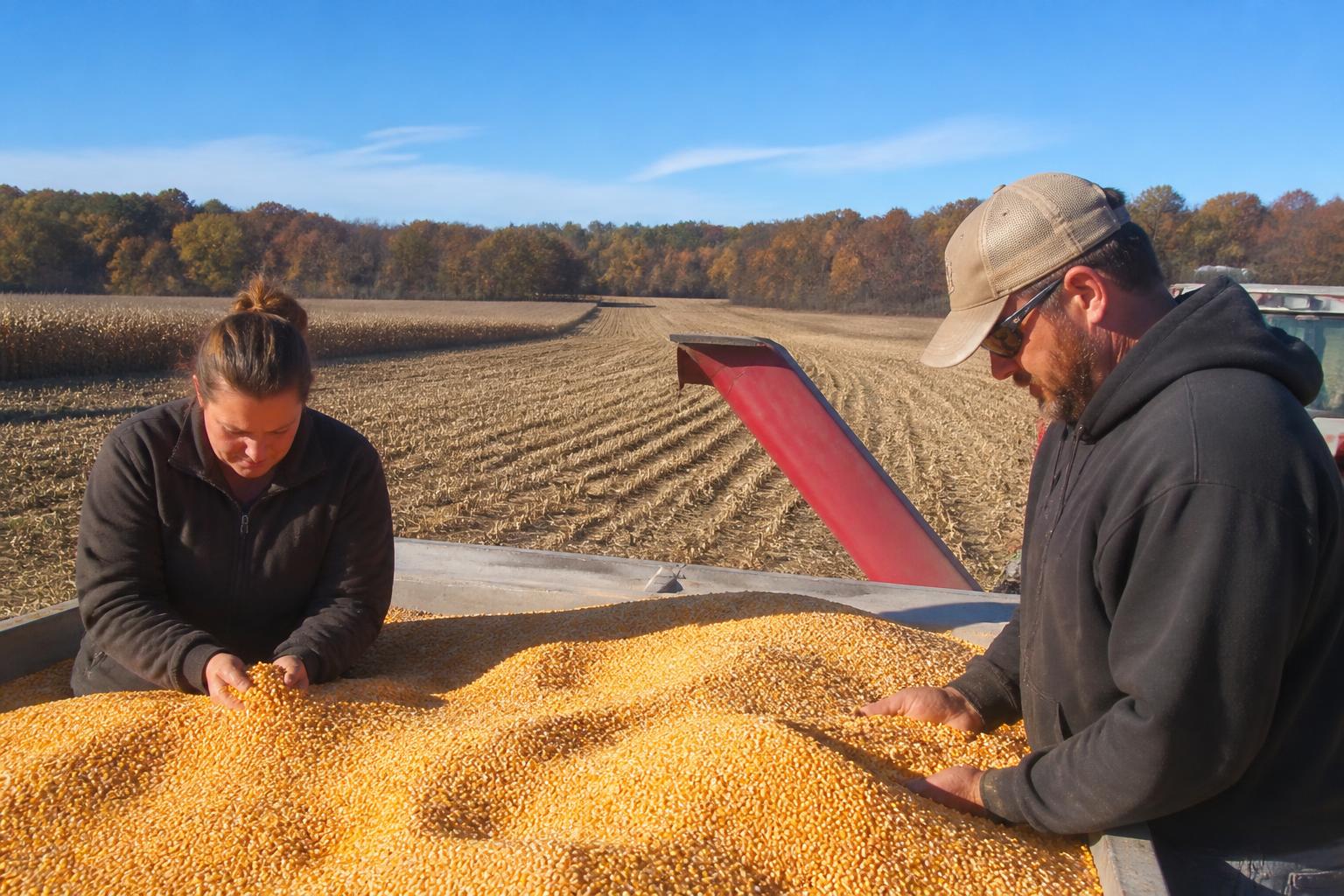
As the fall season winds down, Missouri producers are shifting their focus toward long-term planning and infrastructure maintenance. Recent projections for the state’s agricultural sector suggest a positive trajectory, with farm income anticipated to rise by approximately 11% in 2026. This potential economic lift arrives as many operators continue to navigate the complexities of modernizing their equipment and managing the day-to-day demands of agricultural life.
Infrastructure and Logistical Considerations
Efficiency remains a priority for Missouri agribusinesses, whether they are managing grain storage or coordinating equipment movement across the state's rail and road networks. Recent localized infrastructure projects, such as the deployment of heavy-duty machinery like Tadano cranes for bridge work, highlight the ongoing need for farmers and carriers to stay informed on regional transportation flow. Understanding these logistical patterns is essential for those balancing market variables with the practicalities of field-to-elevator transport.
Adapting to a Changing Landscape
Beyond fiscal projections, the structural makeup of Missouri’s farming community is experiencing a notable evolution. In several rural counties, some multigenerational operations are reaching a point of transition, marking the final chapter for some families on their ancestral land. This trend is causing many to re-evaluate their long-term management strategies and the role of digital integration in daily tasks. Utilizing tools like digital calendars or precision planting methods can help smaller or transitioning operations maintain productivity during this period of change.
Operational Efficiency and Risk Management
Risk management continues to be a cornerstone of Missouri farm success. Producers are increasingly weighing the impact of legal and environmental factors—such as the evolving landscape of glyphosate litigation and regional environmental monitoring—on their bottom lines. Staying proactive with storage strategies and soil health initiatives, such as cover cropping, can provide a buffer against seasonal volatility and shifting input requirements.
What it means for the market
The projected increase in income for 2026 offers a degree of optimism for Missouri agribusinesses, yet the sector remains sensitive to operational costs and structural transitions. Farmers who prioritize efficient logistics and modernize their planning processes are better positioned to capitalize on these fiscal improvements while insulating their operations from localized disruptions.
Comments
No comments yet - be the first to share your take.