
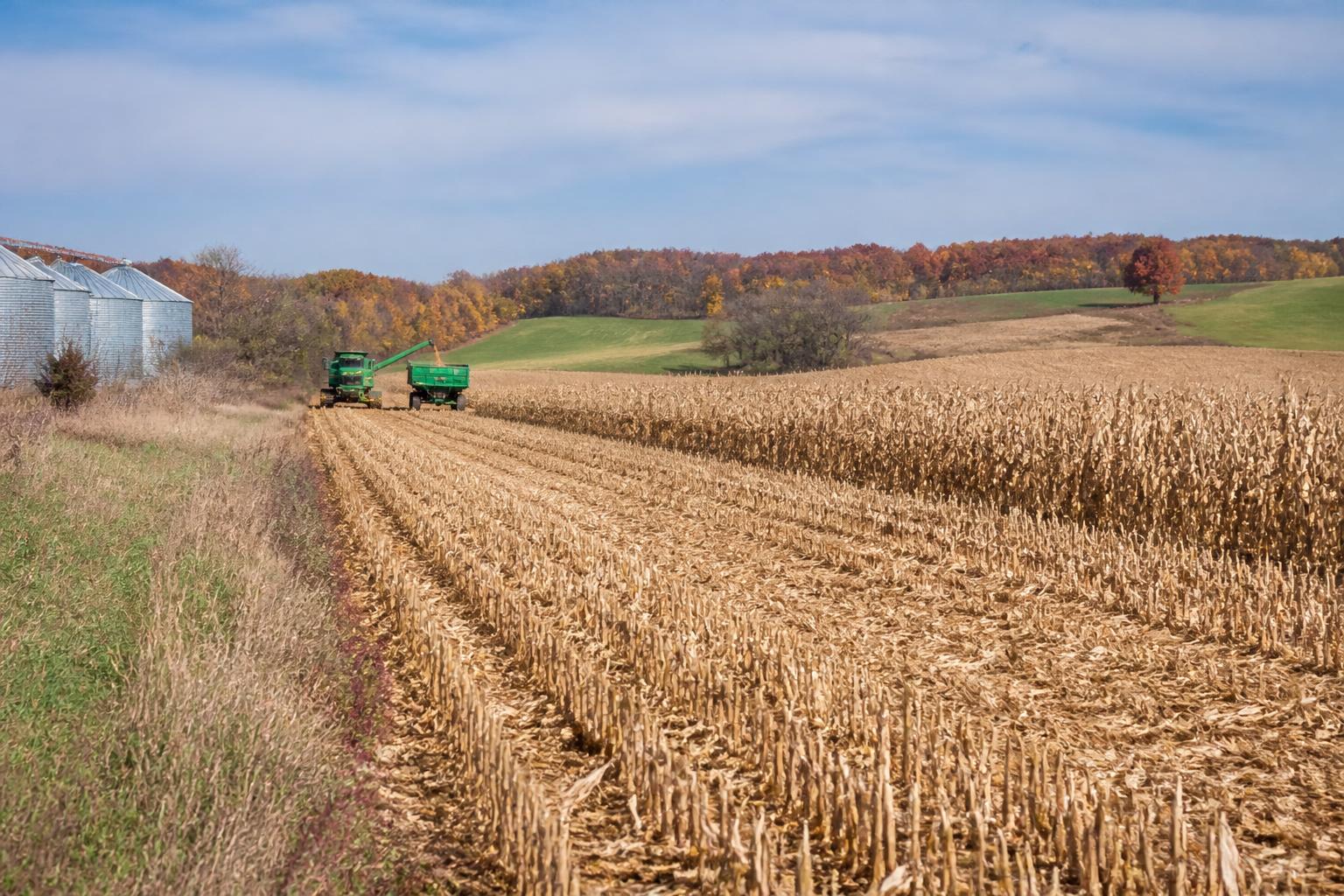
As the curtain closes on another harvest season across the Hawkeye State, Iowa farmers are transitioning from field operations to the critical planning phase that defines the coming year. While the physical harvest is largely behind us, the work of stabilizing operations and preparing for future input requirements is now front and center for many in the region.
Refining Nutrient Management Strategies
With the current fall window closing, many operators are finalizing their fertilizer plans. Proactive soil testing and early input procurement are often cited as essential steps for those looking to manage costs before the spring rush. Consistent with efforts to bolster long-term sustainability, many producers are also evaluating how operational risk management can improve yields while maintaining soil health, including the strategic use of techniques like prairie strips to support water conservation.
Administrative Deadlines and Market Outlook
Beyond the field, the administrative calendar demands attention. Iowa producers should be mindful of upcoming program deadlines, with specific attention directed toward USDA filings that must be completed by mid-December. Keeping these dates on the radar is vital for those managing the complex interplay of federal support and farm-gate commodity pricing.
Market participants continue to monitor how global agricultural shifts affect local competitiveness. As trade dynamics evolve, Iowa agribusinesses are increasingly focused on maintaining export-friendly operations, keeping a close eye on the resilience of the state's grain marketing channels to ensure that local product remains competitive in an era where global land value advantages are narrowing.
Safety and Operational Continuity
Recent events have underscored the importance of keeping agricultural infrastructure and safety protocols in check. Producers are encouraged to maintain vigilance regarding local environmental factors that might affect livestock or land use, ensuring that daily routines remain uninterrupted by regional incidents. Effective risk mitigation and livestock safety remain essential components of a secure and profitable farming season.
What it means for the market
For the Iowa producer, the current landscape is one of consolidation and preparation. By front-loading input decisions and adhering strictly to administrative timelines, growers can effectively hedge against the uncertainty of the coming season. Ensuring that local infrastructure remains secure while optimizing nutrient applications serves as the foundation for navigating the broader economic pressures currently facing the U.S. grain sector.
Comments
No comments yet - be the first to share your take.