
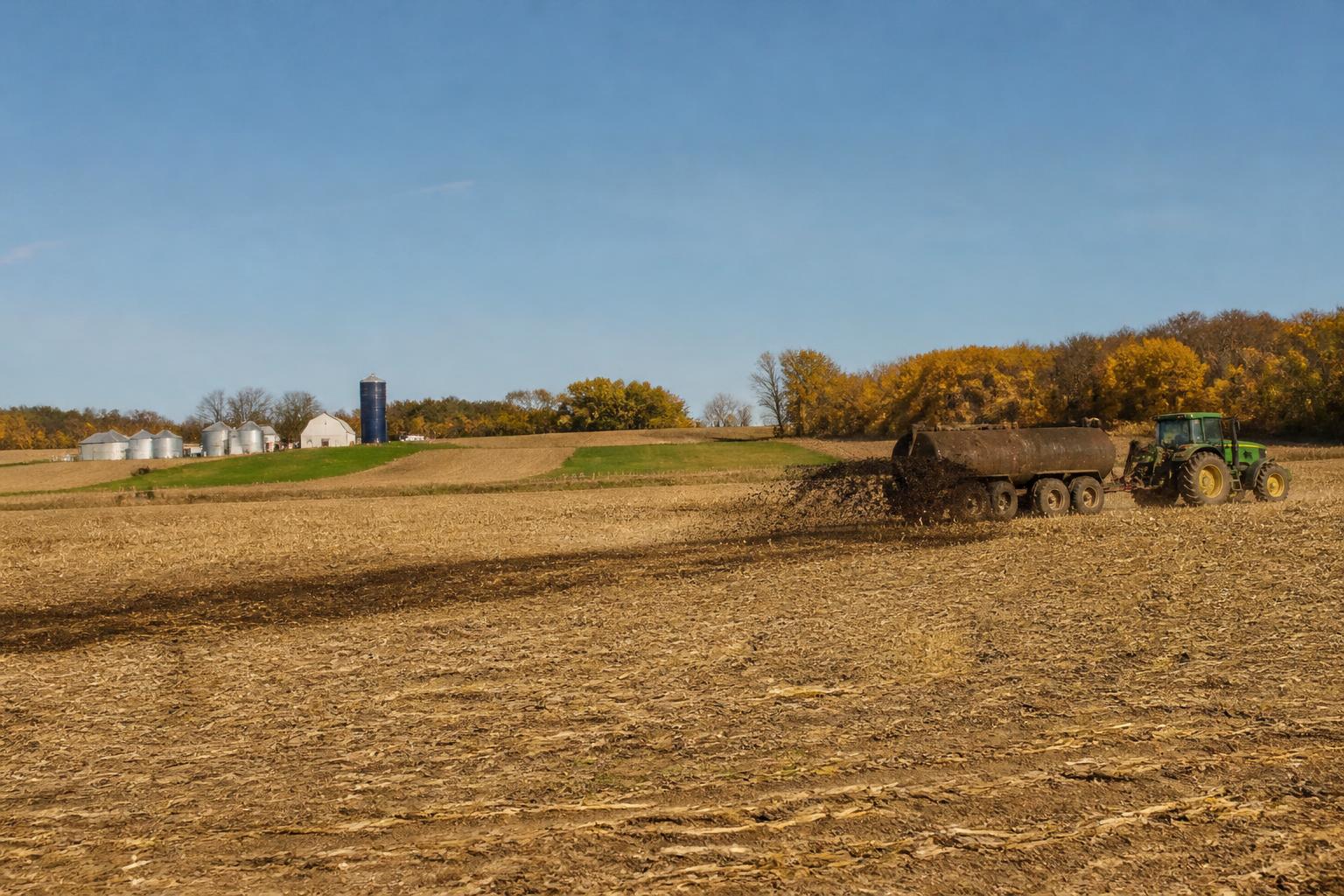
Iowa’s agricultural landscape is currently navigating a period of heightened sensitivity regarding environmental stewardship and public safety. For producers, this translates into an increased need for operational awareness, particularly as regional debates over chemical usage and disposal practices intensify. These discussions often mirror broader concerns about land management and the long-term sustainability of Iowa's soil and water resources.
Amidst these challenges, the state’s agricultural community continues to focus on optimizing efficiency. While some producers have explored methods to lower feed carbon emissions through adjustments in manure application and dietary shifts, the overarching theme remains the need to balance input costs with environmental compliance. As noted in managing regional exposure and safety considerations for Iowa producers, maintaining a proactive stance on farm safety and resource protection is essential to navigating today's complex regulatory environment.
Regulatory and Environmental Pressures
The agricultural sector in Iowa is facing increased scrutiny regarding its environmental footprint, from discussions surrounding nitrate standards to the handling of materials that may pose risks to local ecosystems. Producers are often finding themselves at the intersection of federal regulatory action and local community health concerns. When large-scale industrial or government projects intersect with farmland, the resulting legal and procedural uncertainty can create ripple effects in land use planning and regional logistics.
Logistics and Cost Management
Beyond regulatory hurdles, Iowa agribusinesses remain tethered to the broader economics of production. Even when yields perform well, profit margins can be pressured by volatile fuel and fertilizer costs. Operators are encouraged to maintain lean inventory management strategies as we move deeper into the winter months, ensuring that supply chain disruptions do not catch local elevators or livestock operations off-guard. Staying informed on regional shifts is a critical component of maintaining a competitive edge during periods of economic tightening.
What it means for the market
For the Iowa producer, the current climate demands a higher degree of vigilance. Managing agricultural risk now involves not only monitoring grain prices and input costs but also actively participating in the conversation regarding local environmental standards. By prioritizing transparent operational practices and staying attuned to local regulatory developments, agribusinesses can better shield themselves from unexpected liabilities and continue to focus on long-term productivity as the season turns.
Comments
No comments yet - be the first to share your take.