
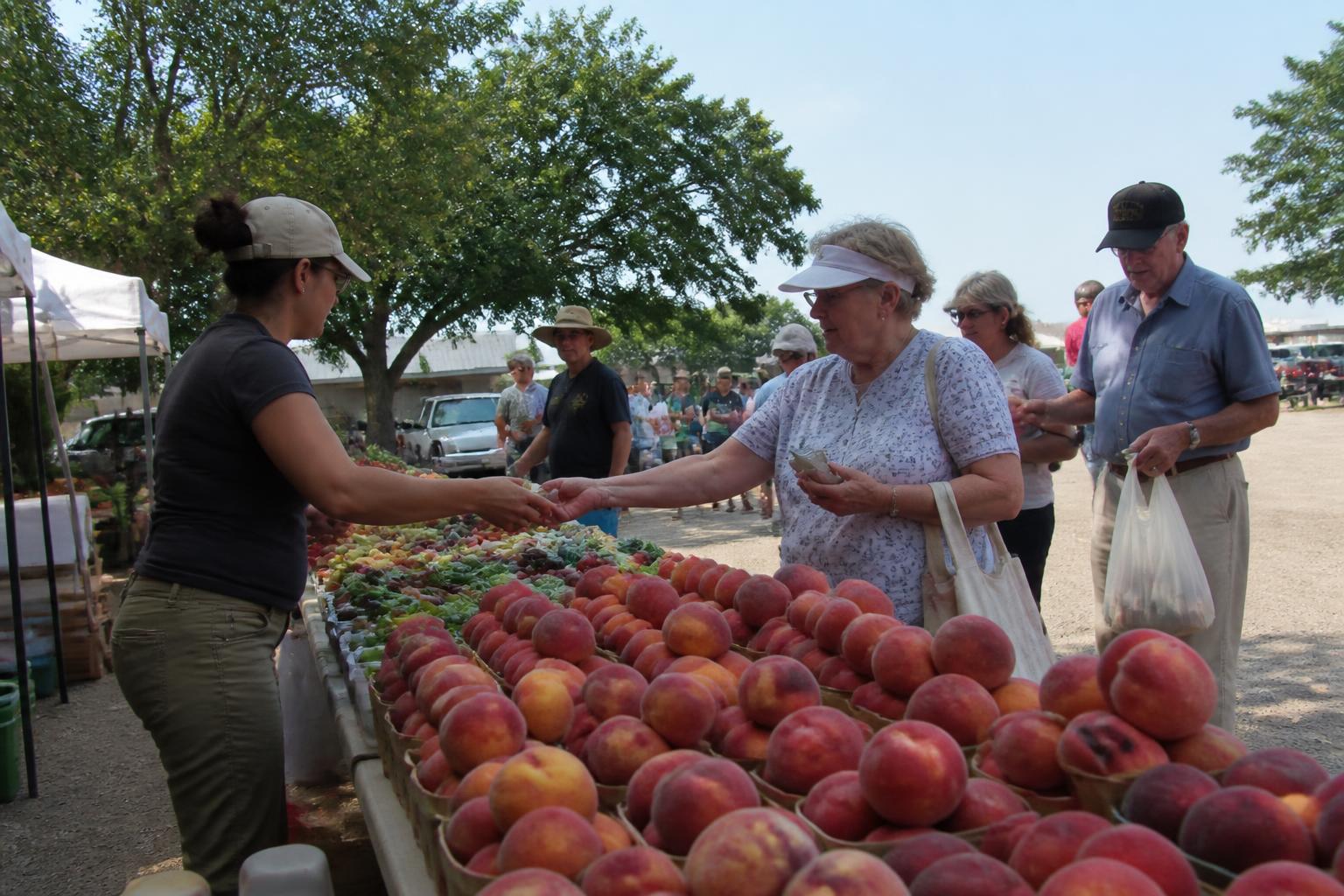
As summer harvest peaks across Georgia, the state's agricultural logistics network is undergoing a significant transformation. From the bustling produce fields in southern counties to the intensive poultry processing hubs in the north, moving temperature-sensitive goods efficiently remains a top priority for agribusinesses. Recent major investments in cold storage infrastructure and food manufacturing facilities are set to reshape regional freight flows, offering new opportunities and capacity relief for regional carriers and shippers.
With high summer temperatures placing extra stress on refrigerated transport, the expansion of modern warehousing and specialized processing plants is providing much-needed stability. These developments come at a critical time as producers look to optimize their supply chains and reduce transit times from farm to retail shelves.
Henry County Cold Storage Expansion Enhances Cold Chain Capacity
In Henry County, a major logistics corridor just south of Atlanta, Dutch cold chain warehousing provider NewCold has commenced the second phase of its advanced facility. This expansion is highly strategic for Georgia's food sector, serving as a pivotal gateway that links agricultural producers in rural areas with major consumer markets across the Southeast and regional ports.
By scaling up high-capacity automated cold storage, this facility helps streamline the storage and dispatch of frozen and refrigerated agricultural products. For local food processors and distributors, improved regional cold chain capacity means less reliance on long-haul transport to secure temperature-controlled space, helping to stabilize freight lanes during peak summer demand.
North Georgia Poultry Corridor Gains New Processing Facility
In Walker County, located in the northwestern corner of the state, Pilgrim's is set to construct a new prepared foods facility. The project is expected to create over 600 jobs and significantly increase the regional demand for inbound raw poultry and outbound finished product logistics.
The addition of this facility will concentrate refrigerated freight traffic along the Interstate-75 corridor and surrounding regional highways. Transport operators can expect a steady volume of localized lanes as live haul operations, feed deliveries, and outbound refrigerated trailers service the new plant. This localized growth highlights the shifting logistics footprint of Georgia's dominant poultry industry, demanding tighter scheduling and reliable carrier partnerships to manage tight delivery windows.
Managing Seasonal Demands in the Heat
The simultaneous expansion of cold storage in Henry County and processing in Walker County underscores the vital need for robust agrologistics during the warmest months of the year. To successfully maneuver through these logistics shifts, operators must carefully coordinate driver hours and equipment maintenance, as summer heat intensifies the strain on refrigerated trailer units.
For more details on navigating regional transport challenges, agriculture businesses can review our guide on Georgia ag logistics during peak summer demands to optimize their routing and freight strategies.
Key Takeaways for Georgia Agribusinesses
- Enhanced Cold Storage: NewCold's expansion in Henry County provides critical refrigerated capacity, stabilizing local supply chains for perishable goods.
- Poultry Logistics Surge: The new Pilgrim's plant in Walker County will drive consistent demand for dry van, bulk feed, and refrigerated transport in North Georgia.
- Infrastructure Resilience: Modern warehousing and localized processing help mitigate the risks of transit delays and product spoilage during hot summer transport.
What it means for the market
For Georgia's agricultural market, these infrastructure investments signal a more resilient supply chain that is less vulnerable to seasonal transport bottlenecks. As cold storage capacity increases and processing facilities locate closer to key transport corridors, local farmers, poultry producers, and carriers stand to benefit from more efficient routing, reduced empty backhaul miles, and enhanced product shelf-life. Keeping a close eye on regional capacity shifts will allow shippers to secure reliable freight contracts ahead of the autumn harvest transition.
Comments
No comments yet - be the first to share your take.