
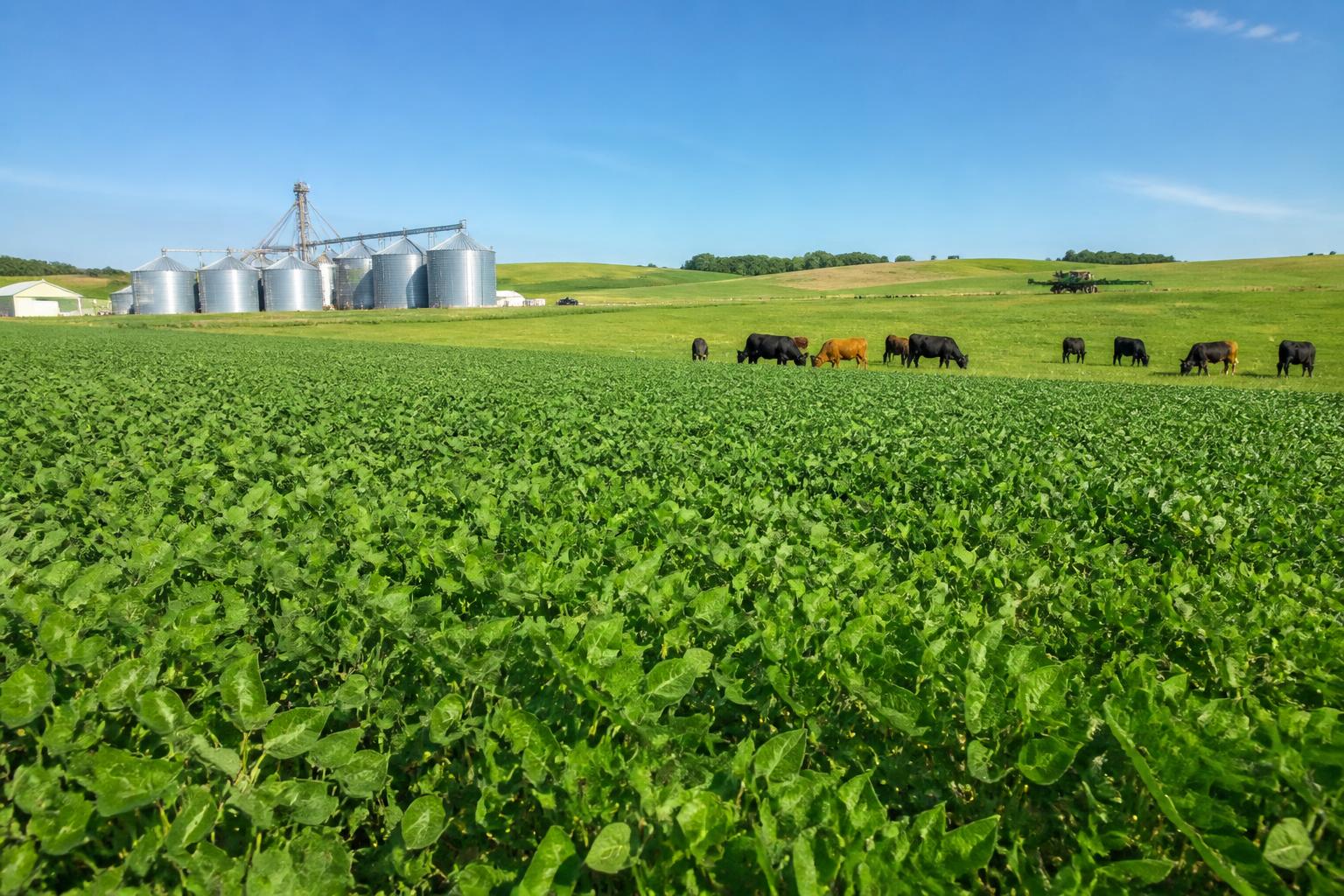
As North Dakota enters the heat of the summer season, the state agricultural landscape is experiencing a rapid convergence of localized technological innovation, shifting transport dynamics, and resilient crop and livestock management. Farmers across the Red River Valley and western ranchlands are looking beyond traditional practices to find new efficiencies, spurred by both regional public-private partnerships and the need to mitigate rising input pressures.
With national ag-policy discussions continually shifting, local producers are focusing on what they can control: yield protection, diversified market channels, and optimized shipping lanes. From Grand Forks to Minot, agricultural operators are integrating new data-driven systems to ensure that North Dakota remains a critical player in both domestic and international supply chains.
The Rise of Regional AgTech Hubs
North Dakota is increasingly positioning itself as a primary testing ground and operational center for cutting-edge agricultural technology. Initiatives like the AgTech Engine aim to solidify the state as an innovation hub, bridging the gap between developers and active growers. This push aligns closely with national efforts, including the USDA launching its own proving grounds to field-test new systems under real-world conditions.
This entrepreneurial momentum is already visible in the local agribusiness sector. For example, three farm daughters from North Dakota successfully leveraged digital logistics and marketplace platforms to scale their pasta brand across North America, proving that regional identity combined with modern retail tools can open vast consumer markets. These advancements encourage growers to explore value-added processing and direct-to-consumer pipelines, reducing dependency on volatile commodity export terminals.
Pest Management and Summer Logistics
On the production side, hot and dry summer conditions require vigilant field scouting. Early detection of threats like grasshoppers remains essential for protecting crop yields. Experts emphasize that early-stage control is the most effective way to prevent widespread economic damage before pests move from field margins into valuable row crops.
To support these efforts, efficient transportation networks must remain open. Logistics providers have successfully executed test rail shipments carrying North Dakota commodities directly to West Coast ports, offering a vital alternative route for grain movement. Understanding these emerging pathways is critical, especially when navigating broader innovations in North Dakota grain logistics to combat international freight bottlenecks and seasonal capacity constraints.
Livestock Resilience Amid Agronomic Headwinds
While row-crop producers manage pest pressures and volatile input costs, the North Dakota livestock sector is experiencing a period of notable success. The cattle market has shown strong performance, providing a financial buffer for multi-generational operations that utilize diversified farming models. This strength in the livestock sector helps stabilize the broader rural economy, even as crop growers navigate shifting environmental regulations and global fertilizer supply uncertainty.
These dynamics demonstrate the value of regional flexibility. As regulators, including representatives from the Environmental Protection Agency, tour North Dakota farms to observe local conservation and production techniques firsthand, the state's agricultural community continues to advocate for practical policies that reflect the physical realities of farming in the Northern Plains.
Key Takeaways for ND Agribusinesses
- Embrace Innovation Hubs: Leverage local programs like the AgTech Engine and USDA proving grounds to access and evaluate emerging field tools.
- Prioritize Early Scouting: Protect summer yields by monitoring pest populations, particularly grasshoppers, before they escalate.
- Monitor Transportation Channels: Stay updated on West Coast rail developments to optimize grain marketing and shipping decisions.
- Maintain Farm Diversification: Strong livestock markets offer a viable hedge against crop input volatility and shifting global export margins.
What it means for the market
The integration of targeted AgTech platforms and diversified logistical corridors will likely give North Dakota producers greater control over their supply chains in the coming seasons. While global tariff discussions and changing biofuels policies continue to create macro-level uncertainties, the localized ability to efficiently grow, protect, and transport grain and livestock will keep the region highly competitive. Growers who actively adopt early-season management protocols and participate in regional tech-testing networks stand to gain the most stable margins.
Comments
No comments yet - be the first to share your take.