
Maryland grain growers and haulers are facing a sudden shift in regional logistics on the Eastern Shore following the closure of the Perdue grain facility in Easton. Located in Talbot County, this facility has long served as a key hub for local grain consolidation and movement. The loss of this receiving point means farmers must quickly pivot their transportation and storage strategies during the busy summer months.
As grain flows redistribute across the Delmarva Peninsula, transport distances and queue times at alternative elevators are expected to increase. Managing these changes requires a sharp focus on both on-farm storage capabilities and well-planned hauling routes along major corridors like US Route 50.
Adapting to the Easton Facility Closure
The closure of the Easton facility removes a vital delivery option for corn, wheat, and soybean growers on the Eastern Shore. With fewer local offtake points, grain handlers may need to transport their loads further north toward grain hubs or south to remaining regional terminals. This increase in travel distance directly impacts trucking logistics, fuel expenses, and daily cycle times for farm drivers.
To mitigate these bottlenecks, producers are reassessing their on-farm storage systems. Utilizing existing bins to hold grain temporarily can help avoid long lines at remaining public elevators during peak harvest windows. However, holding grain on-farm during the humid Maryland summer demands diligent monitoring to prevent spoilage and maintain grain quality.
Summer Storage and Quality Management
Proper post-harvest handling and storage practices are crucial when grain must be held on-farm longer than anticipated. High summer temperatures and humidity levels can quickly degrade stored grain if aeration systems are not properly managed. Regular temperature checks and insect monitoring are essential steps to protect the value of the crop before it is hauled to more distant markets.
For growers currently wrapping up their small grains, local conditions can complicate harvest logistics. To understand the latest crop conditions, growers can review how the Maryland wheat harvest faces rain delays but maintains a strong yield outlook across many coastal counties. Managing moisture levels closely before putting grain into long-term storage is vital to prevent molding and insect infestations.
Broader Supply Chain Vulnerabilities
The shifts in local grain logistics come amid broader global supply chain pressures. Disruptions in international trade routes and geopolitical tensions have introduced fresh volatility to the agricultural sector, affecting everything from energy costs to fertilizer availability. For instance, global conflicts have raised concerns over potential fertilizer shortages, prompting growers to seek secure local supply channels.
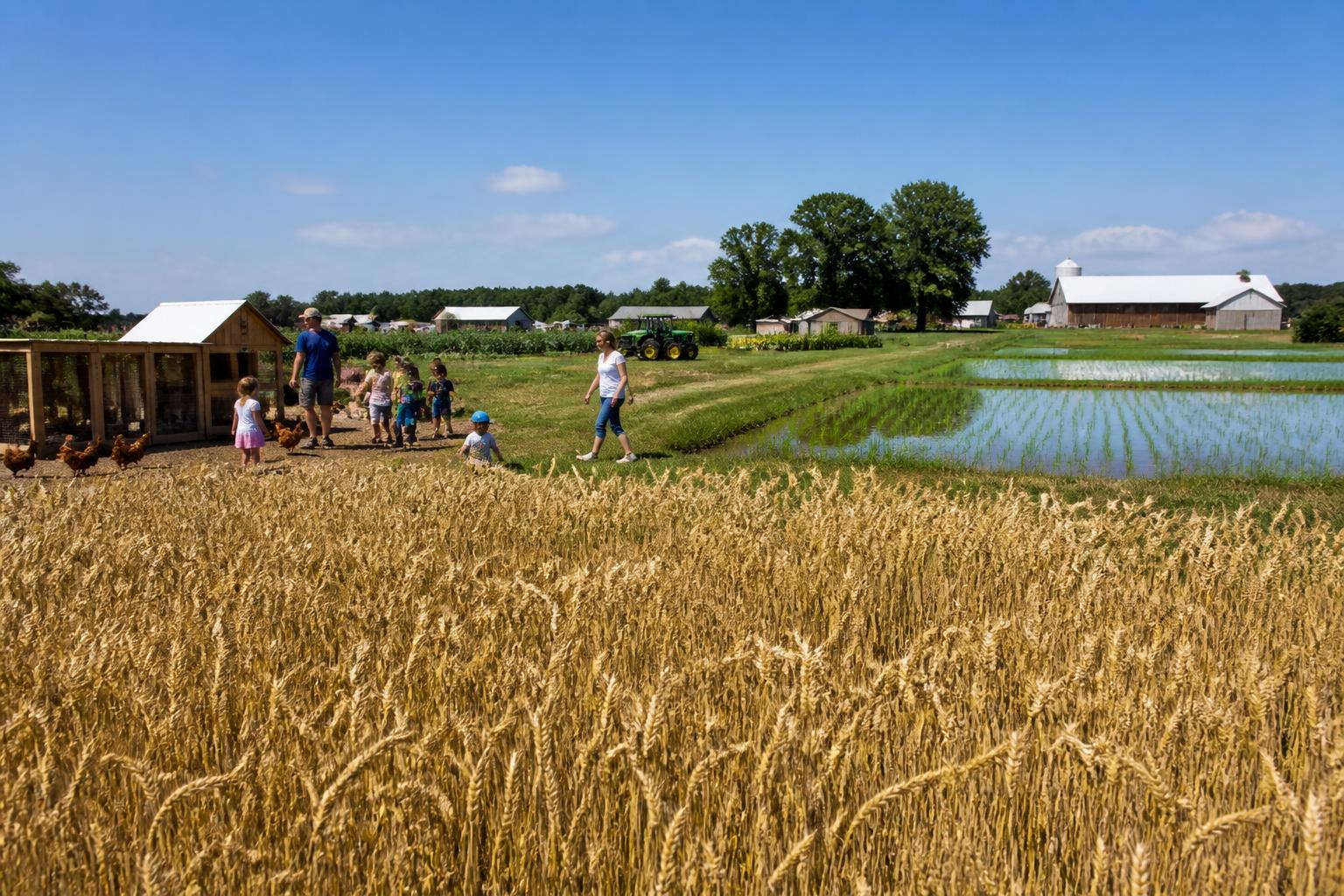
To navigate these volatile inputs and explore local nutrient alternatives, Maryland producers are looking closely at their summer fertilizer strategy to protect their margins against global supply disruptions. At the same time, some Maryland farmers are diversifying their operations to manage risk, incorporating agritainment into traditional poultry operations, or exploring alternative crops like dryland-grown rice that do not require traditional flooding.
Key Takeaways for Maryland Growers
- Optimize On-Farm Storage: Ensure aeration fans and temperature cables are fully operational to maintain grain quality through the humid summer months.
- Recalculate Hauling Costs: Factor in longer drive times and fuel consumption when routing grain to alternative receiving facilities on the Eastern Shore.
- Formulate Contingency Plans: Keep open communication with local grain merchandisers to monitor wait times and capacity limits at regional elevators.
What it means for the market
The closure of the Easton grain facility underscores the vulnerability of local agricultural supply chains to infrastructural shifts. For Maryland's grain market, this means localized basis levels may fluctuate as transport costs rise. Agribusinesses and grain handlers who invest in efficient on-farm storage and flexible transport logistics will be best positioned to weather these regional disruptions and maintain stable delivery schedules throughout the season.
Comments
No comments yet - be the first to share your take.