
As the summer heat settles across the Midwest, Iowa grain producers are managing a complex array of local policy changes, high input costs, and shifting global trade dynamics. While recent farm market settlements finished mostly lower, local structural changes and agronomic adaptations are reshaping how growers plan for the seasons ahead. From a historic local vote to evolving conservation strategies, staying competitive requires a careful balance of marketing discipline and agronomic efficiency.
Along key transportation corridors like Interstate 80 and Interstate 35, and near the critical barge terminals of the Mississippi River, grain handlers and producers are adjusting their balance sheets. High fertilizer manufacturer margins have squeezed farm-level profitability, driving many operators to look for alternative nutrient plans and precision application technologies to keep overhead in check.
Iowa Corn Checkoff Vote and Regulatory Endorsements
In a major development for the state's agricultural sector, Iowa corn growers have voted to approve an increase in the Iowa corn checkoff rate. This successful vote establishes additional resources dedicated to market development, research, and education at a time when export markets face heavy competition. Hand-in-hand with these promotional developments, the Iowa Corn PAC has continued its active role in endorsing candidates aligned with the long-term interests of the state's grain sector.
Understanding these institutional shifts is essential for managing market pressures on Iowa corn. The checkoff adjustment aims to bolster demand both domestically, through ethanol and industrial uses, and internationally, where geopolitical tensions and tariff anxieties continue to create export headwinds.
Input Realities: Manure, Soil Health, and Diversification
Production costs remain top of mind for Iowa growers. While fertilizer companies recorded strong profits during recent volatile periods, many farmers are turning to regional waste streams to manage fertilizer budgets. Iowa's vast livestock sector generates an estimated 110 billion pounds of manure annually, which serves as a vital nutrient source for corn and soybean acres, though it presents ongoing management challenges for water quality.
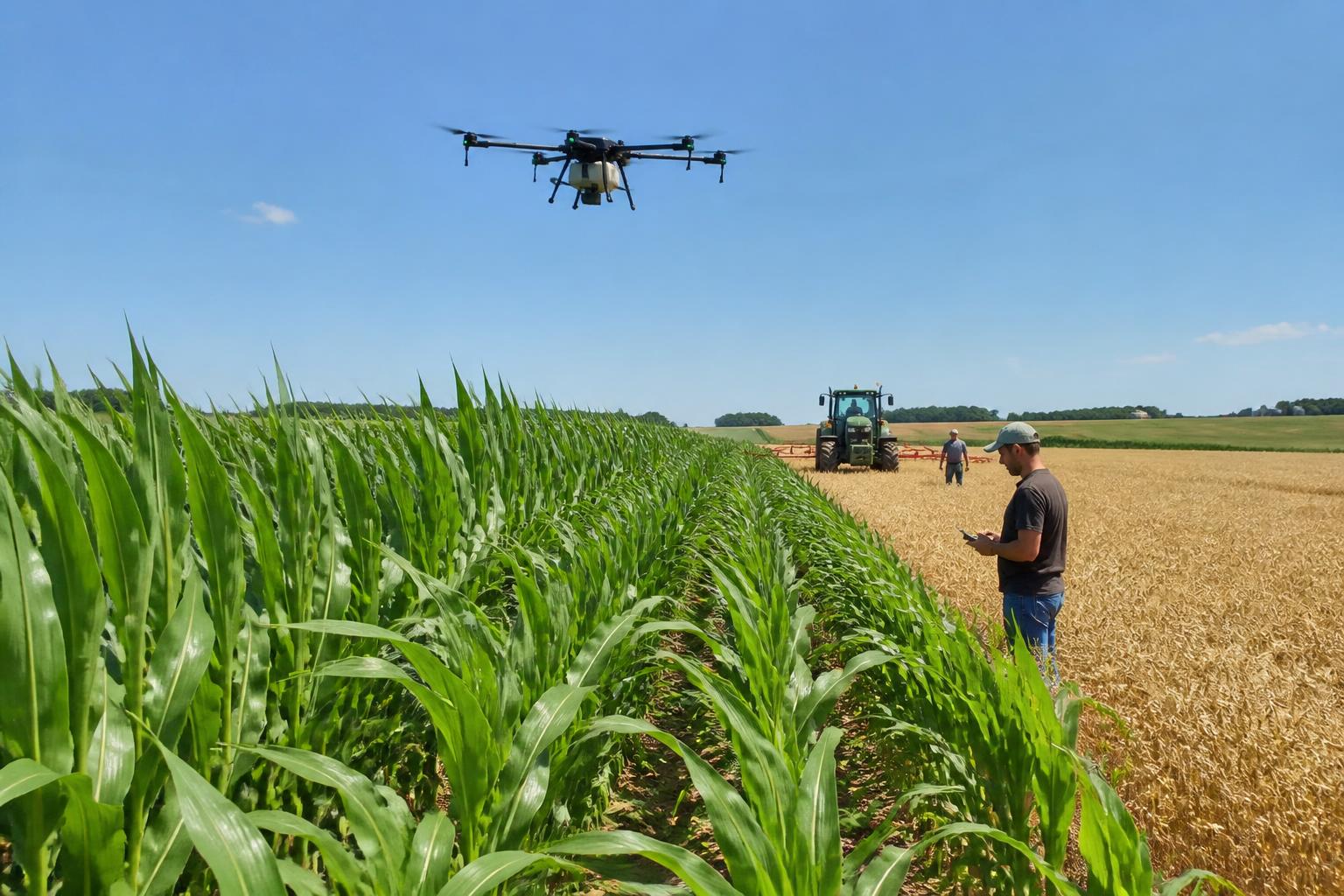
Agronomists suggest that investing in soil health can pay dividends when mitigating volatile weather. Healthier, organic-rich soils help crops survive both record rains and dry spells by improving water infiltration and retention. To protect these soils and optimize applications, spray drones are rapidly gaining ground across Iowa counties for highly targeted crop protection.
Additionally, some growers are exploring diversification. While corn and soybeans remain dominant, research projects are exploring broader Midwest farm diversification, demonstrating that crops like winter wheat can indeed be successfully grown in Iowa. For growers evaluating these agronomic shifts, analyzing how to optimize their Iowa crop protection and input dynamics is a critical step in preserving margin.
Macro Pressures and the Farmland Premium
The broader economic environment continues to test Iowa's agricultural resiliency. Ongoing conflicts in the Middle East exert upward pressure on fuel and global logistics, while fresh tariff discussions raise warning flags for soybean growers reliant on international buyers. Despite these tight crop margins, the local farmland market remains remarkably resilient, with demand for quality acres continuing to outpace available supply.
Key Takeaways for Iowa Producers
- Checkoff Adjustment: The approved corn checkoff increase will direct new funding toward domestic and global demand creation.
- Alternative Nutrients: Utilizing manure and improving organic soil matter can help buffer against high commercial fertilizer costs and weather extremes.
- Technological Adoption: Precision tools, such as spray drones, offer cost-effective and timely crop protection during the summer scouting window.
- Farmland Stability: Tight margins have not yet dampened land hunger, as tight supply keeps farmland prices supported.
What it means for the market
For Iowa's agribusinesses and grain handlers, the summer market demands maximum logistical flexibility. While geopolitical stress and trade rhetoric pose downside risks to commodity prices, keeping abreast of the Iowa summer grain outlook can assist operators in timing their storage and marketing decisions. Producers should focus on protecting their yields through targeted summer management while utilizing regional demand programs bolstered by the newly approved checkoff funds to hedge against global market volatility.
Comments
No comments yet - be the first to share your take.