
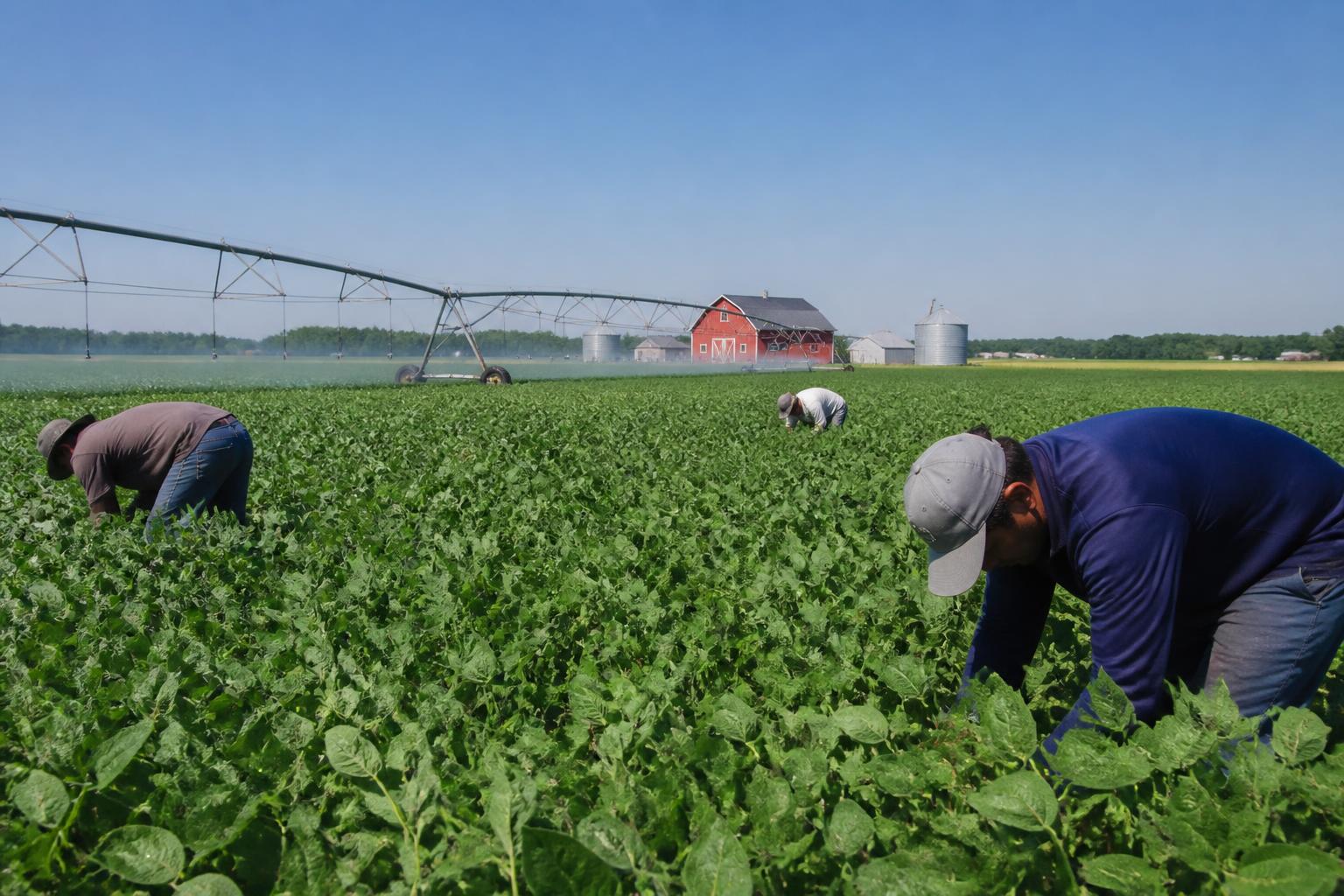
As summer settles over Utah's agricultural valleys, grain producers and livestock operations are navigating a complex mix of shifting global export dynamics, water optimization pressures, and evolving domestic policy. While regional wheat and barley crops progress through their typical mid-year development, local feed buyers are closely watching broader market signals, including surging U.S. corn export sales and projections pointing toward a potential six percent increase in nationwide soybean acreage for the coming seasons.
For Utah's agribusinesses, managing high-desert production risks requires balancing immediate operational needs with long-term resource planning. From the northern farmlands of Cache County to the central irrigated tracts of the Sevier River basin, keeping a close eye on grain market volatility is essential for securing favorable feed contracts and input supplies.
Global Feed Dynamics and Utah's Feed Markets
Recent market reports highlight a notable surge in U.S. corn export sales, even as international competitors like Brazil strengthen their position in the global soybean and beef trades. These shifting supply flows directly impact regional pricing. Local cattle ranchers, dairy operators, and grain elevators in Utah must continuously adapt to these changes, especially when local forage and grain production face seasonal environmental challenges.
Utah livestock feeders are tracking these national trends closely to manage feed procurement strategies. Recent shifts in regional temperatures and precipitation patterns continue to influence local grain availability, driving a need for adaptive buying. Agribusinesses can explore these localized supply trends in detail by reviewing the summer heat and feed demand shifts shaping the Utah grain market, which analyzes how local feedlots and dairies are navigating the current season.
Managing Water and Inputs in Arid Valleys
Water remains the single most critical factor for Utah crop production. Local growers are increasingly implementing precise irrigation management strategies to optimize water application and preserve crucial aquifers. In counties like Box Elder and Weber, efficient water usage is necessary to maintain grain yields as summer heat peaks.
In addition to water conservation, crop protection availability remains top of mind. National policy updates, including federal executive directives aimed at bolstering domestic chemical manufacturing like glyphosate, are being watched closely by local distributors and farmers. To protect late-season grain yields, growers are focusing heavily on weed management under dry, hot conditions. For a deeper look at managing these challenges, growers can read about Utah crop protection strategies for summer weeds and heat stress.
Infrastructure, Farmland Trends, and Local Innovation
Beyond the field, broader economic trends are shaping Utah's farming landscape. Urban expansion continues to put pressure on prime agricultural land across the Wasatch Front, prompting discussions about farmland preservation and land-use efficiency. At the same time, regional logistics systems are expanding to ensure local grain can move efficiently to broader western markets. Enhancements in transload facilities and rail corridors are vital for keeping local transport costs manageable. To learn more about these infrastructure updates, see the report on Utah ag transport and transload networks boosting summer logistics.
Innovation is also coming from local institutions. For instance, Utah State University researchers are actively studying waste-to-gas processes, demonstrating the state's ongoing interest in sustainable energy and agricultural byproduct utilization. These forward-looking projects underscore a wider regional focus on maximizing the value of every agricultural input and output.
Key Takeaways for Utah Grain Stakeholders
- Global Signals: Keep an eye on surging national corn exports and projected soybean acreage increases, which may stabilize long-term feed costs.
- Water Precision: Prioritize soil moisture monitoring and optimized irrigation scheduling to sustain grain quality through the peak summer heat.
- Logistical Efficiency: Leverage regional transload and rail networks to bypass local trucking bottlenecks and lower bulk shipping costs.
What it means for the market
Utah's grain and feed sectors are operating in a highly interconnected environment where global export strength directly influences local feed costs. While long-term national acreage shifts suggest potential relief in feed input pricing, immediate summer conditions require disciplined water management and strategic crop protection application. Utah growers and buyers who coordinate their logistical strategies and lock in feed contracts early will be best positioned to weather the dry summer months and maintain operational profitability.
Comments
No comments yet - be the first to share your take.