
Managing risk is a constant challenge for New Jersey agricultural operations. As the summer season deepens, local growers are finding that traditional crop protection involves much more than standard pest control. Protecting valuable specialty crops now requires a mix of active microclimate monitoring, environmental stewardship, and strategic resource allocation.
Shielding Garden State Fields from Sudden Weather Extremes
Temperature fluctuations can catch even the most experienced growers off guard. For instance, farms in Morris County have previously had to work overnight to protect sensitive crops from sudden cold snaps. These localized weather anomalies highlight the necessity of immediate, on-the-farm mitigation systems, such as frost blankets, overhead irrigation, and wind machines, to safeguard early-stage plants.
In addition to physical barriers, growers are increasingly looking toward regional historical data and climate adaptation practices. Integrating these methods is a critical component of protecting the Garden State against climate risks, helping operators secure stable yields despite unpredictable weather patterns.
Leveraging Native Pollinators for Crop Security
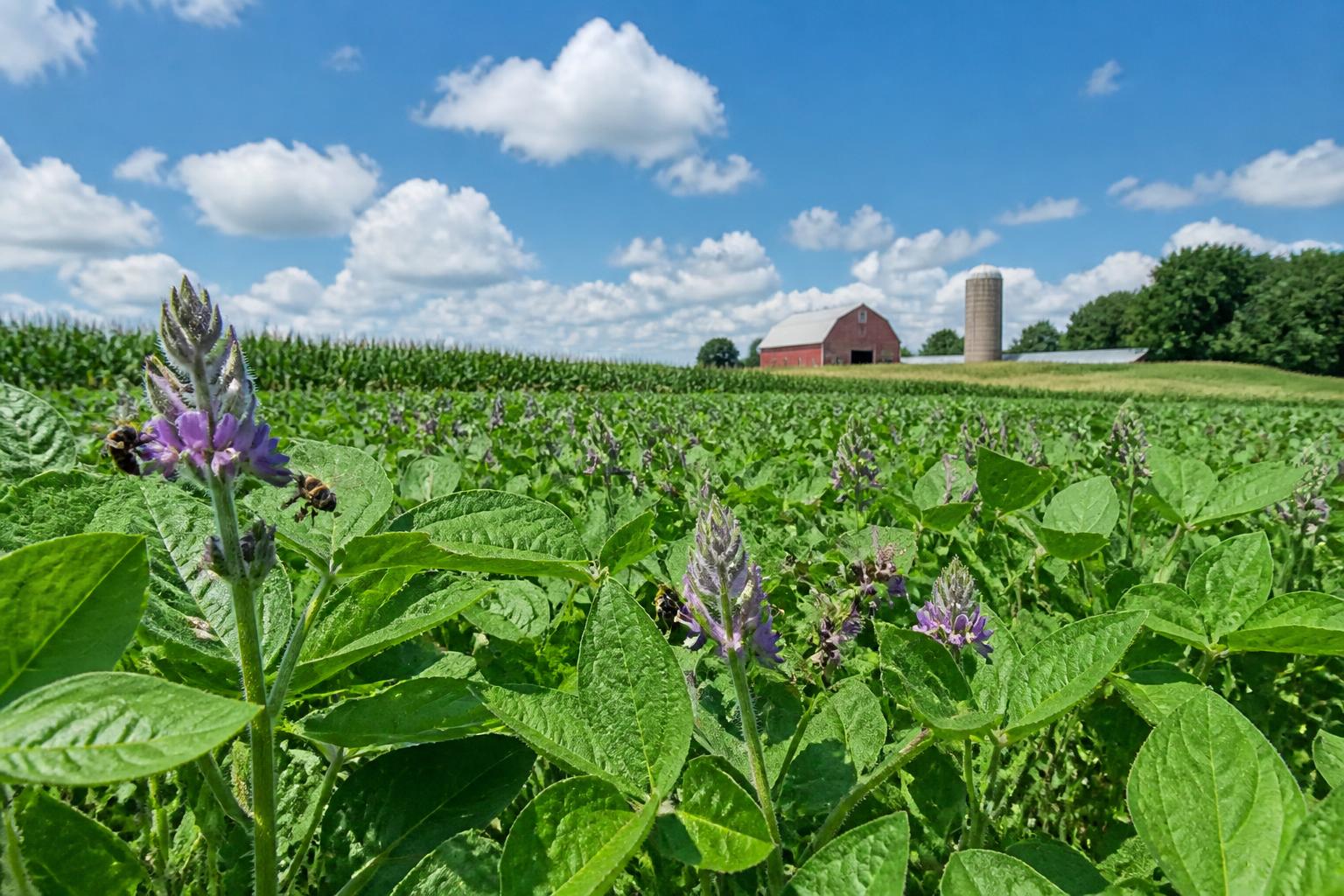
Biological protection is also taking center stage, particularly regarding pollination services. A recent study by Rutgers University revealed that native, non-honey bees contribute significantly to local crop pollination. This research underscores the commercial value of protecting wild bee habitats across New Jersey farms, as native species offer a reliable buffer against managed honeybee shortages.
By establishing wildflower borders and reducing daytime pesticide applications, farmers can foster these resilient wild pollinator populations. Supporting native biodiversity not only helps maintain robust crop cycles but also assists producers in navigating invasive species regulations by encouraging natural biological balances in the field.
Policy and Input Management in Peak Season
Beyond the field, regulatory and economic factors continue to shape farm safety nets. While national debates regarding farmworker immigration relief and trade tariffs remain active, New Jersey operators must focus on day-to-day cost controls. Educational resources, such as the National Center for Appropriate Technology (NCAT) Growing Hope Virtual Conference, offer valuable insight into sustainable practices that can lower overhead while maintaining high yields.
Furthermore, maximizing input efficiency is essential during periods of high operating expenses. Producers can optimize their crop health programs by employing precision input strategies during crop emergencies, ensuring every drop of fertilizer and protective spray is utilized effectively.
Key Takeaways for New Jersey Producers
- Deploy Active Weather Defense: Utilize localized alerts and microclimate tools to prepare for sudden temperature shifts, especially in northern counties like Morris.
- Protect Wild Pollinators: Adopt habitat-friendly practices to leverage the native bee pollination benefits highlighted by Rutgers research.
- Engage in Continuous Education: Leverage virtual agricultural conferences to adapt to changing labor and trade policies.
What it means for the market
Effective crop protection in New Jersey is transitioning from reactive crisis management to proactive ecological and operational planning. Growers who protect native pollinator populations and invest in early-warning weather defense systems are better positioned to handle seasonal volatility. Ultimately, maintaining a diversified defense strategy ensures that Garden State farms remain resilient, productive, and financially viable throughout the peak summer months.
Comments
No comments yet - be the first to share your take.